

Electrical Insulation Ceramic Solutions
Dense ceramic insulators, tubes and substrates for high voltage, RF and electronics assemblies.
Electrical Insulation Designing
Advanced ceramic insulation solutions for high voltage, power electronics, semiconductor equipment and precision electrical systems requiring dielectric strength, thermal stability and mechanical reliability.
Breakdown, creepage, leakage and partial discharge
Alumina, AlN, BN and quartz
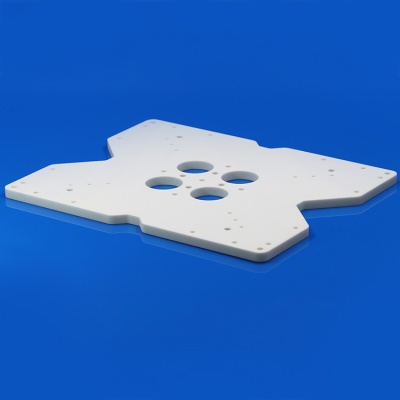
Insulating sheets, substrates, sleeves, spacers and feedthrough insulators
Power electronics, semiconductor tools, vacuum equipment and RF systems
Voltage Review
Define operating voltage, peak voltage, creepage and clearance requirements.
Thermal Balance
Select AlN, alumina or other insulating ceramics according to heat load.
Geometry Control
Control breakdown and assembly risk through thickness, edges, holes and surface quality.
Product & Application Gallery
Material Selection Guide
| Material | Why It Is Used |
|---|---|
| Alumina | Mature and reliable for high-voltage insulators, sleeves, spacers and structural insulation. |
| AlN | Thermally conductive and electrically insulating for power modules, substrates and heat-transfer insulators. |
| BN | Machinable and suitable for high-temperature, vacuum and special insulation supports. |
| Quartz / Sapphire | Used for optical, laboratory and high-purity insulation applications. |
Component Solutions
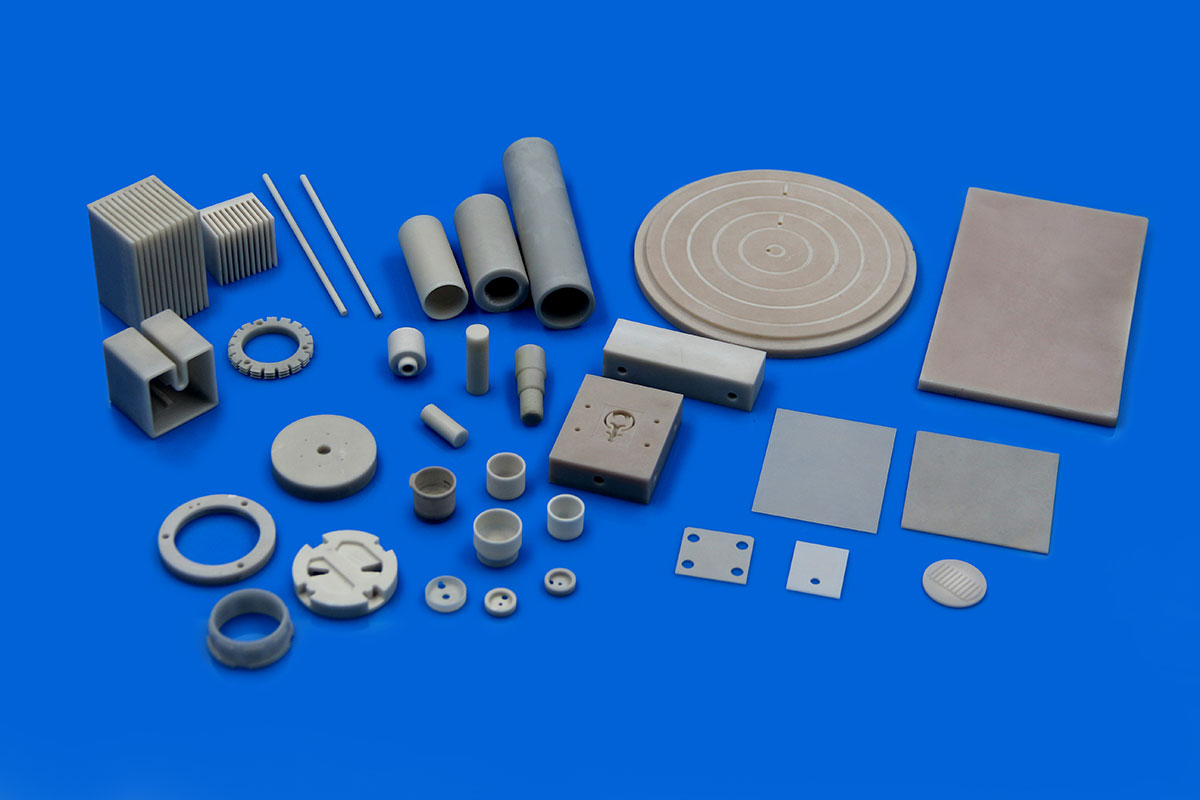
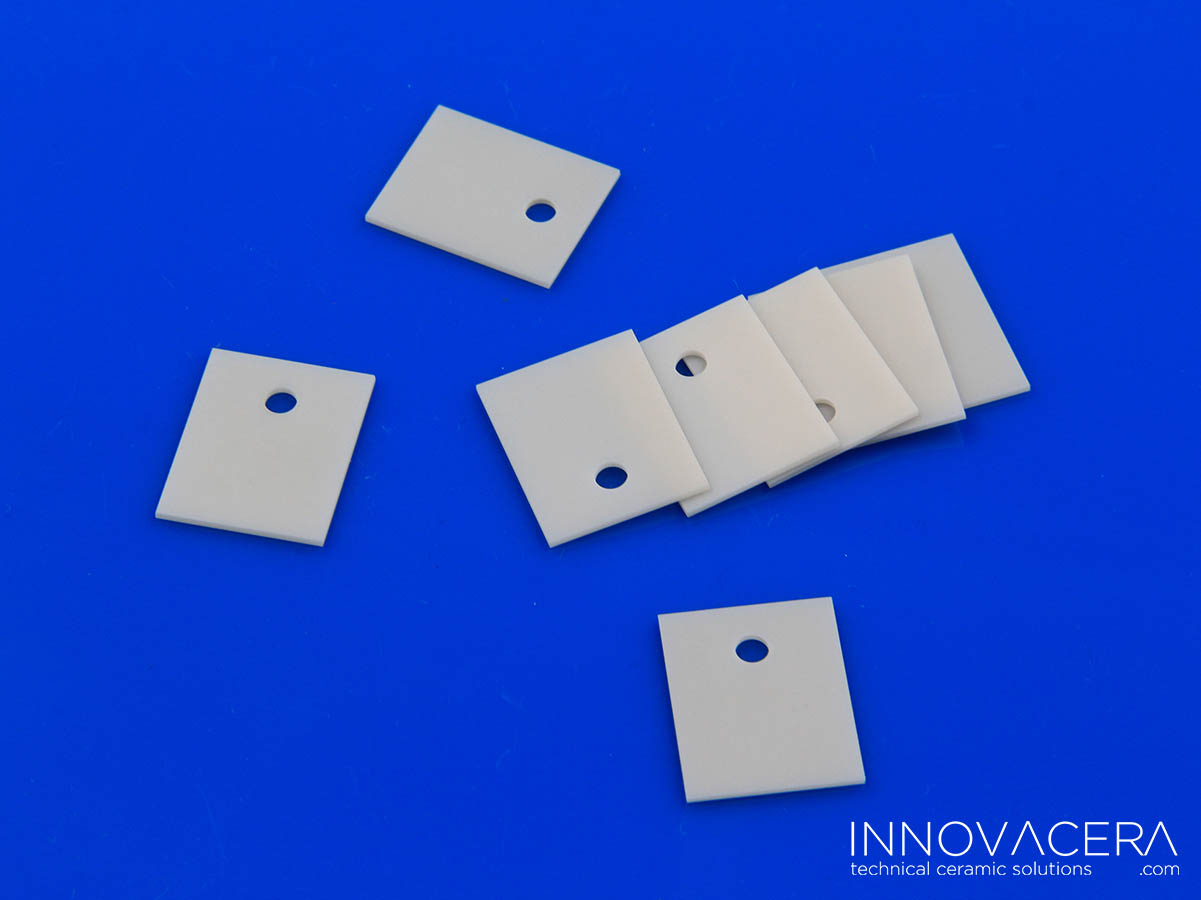
Ceramic insulating sheets and spacers
Precision ceramic sheets and spacers provide reliable electrical isolation, dimensional stability and mechanical separation in power and electronic assemblies.
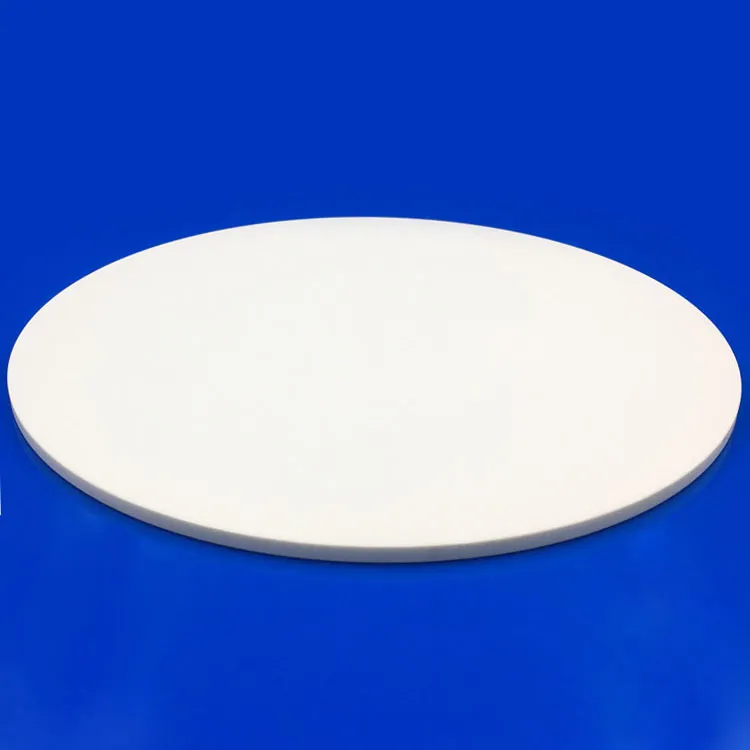
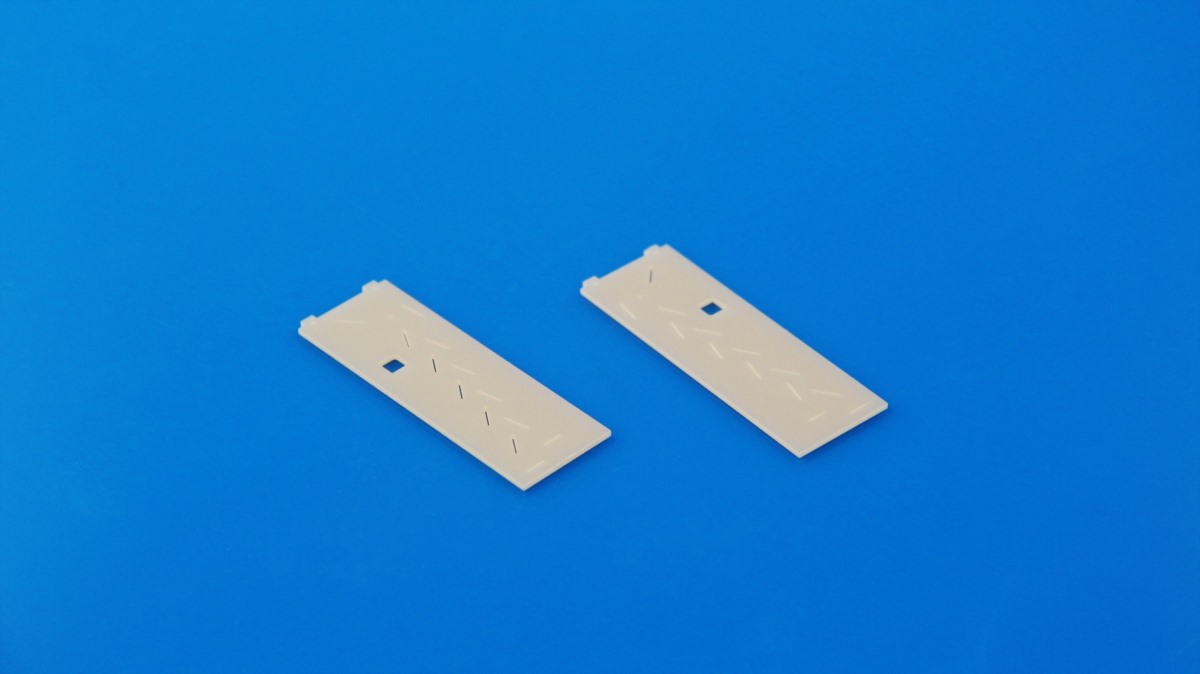
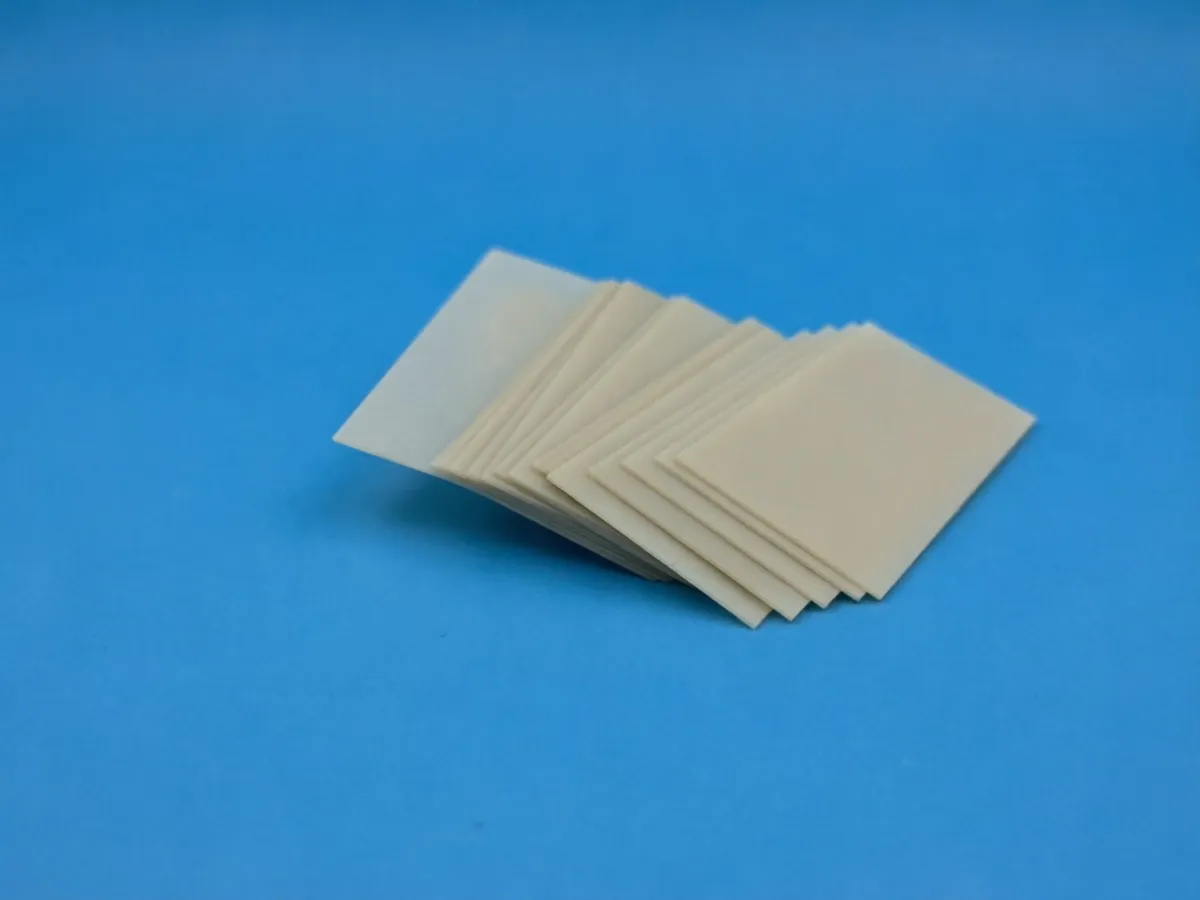
AlN and alumina ceramic substrates
Electrically insulating ceramic substrates support circuits and power devices while providing stable mechanical performance and controlled heat dissipation.
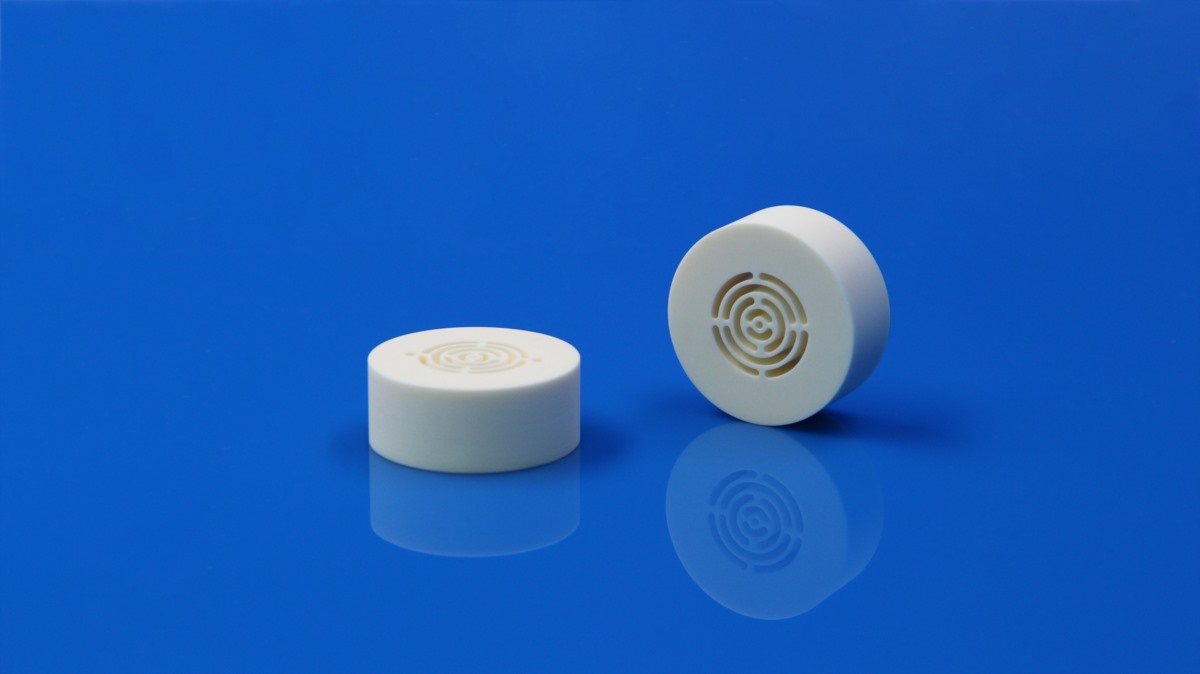
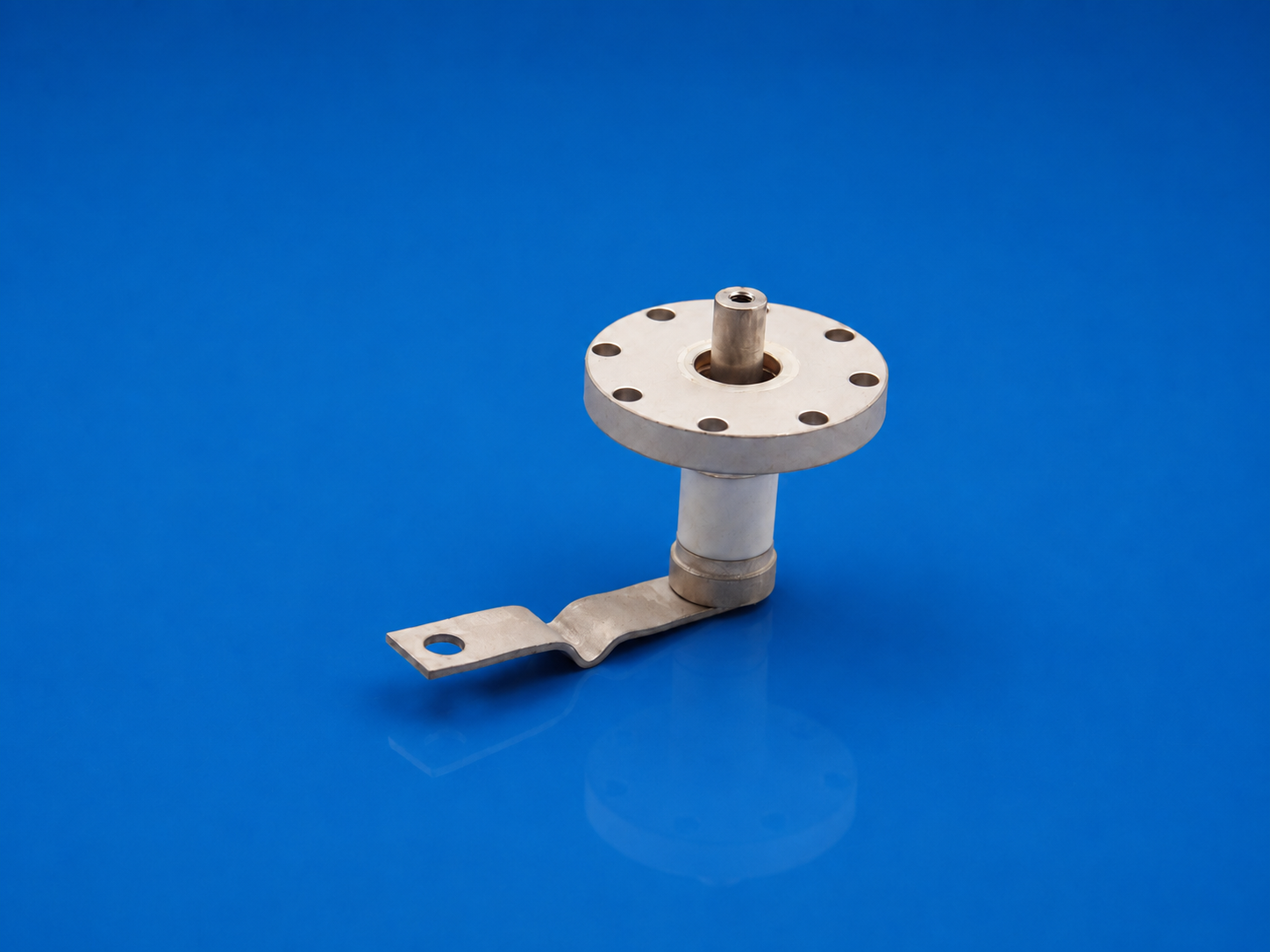
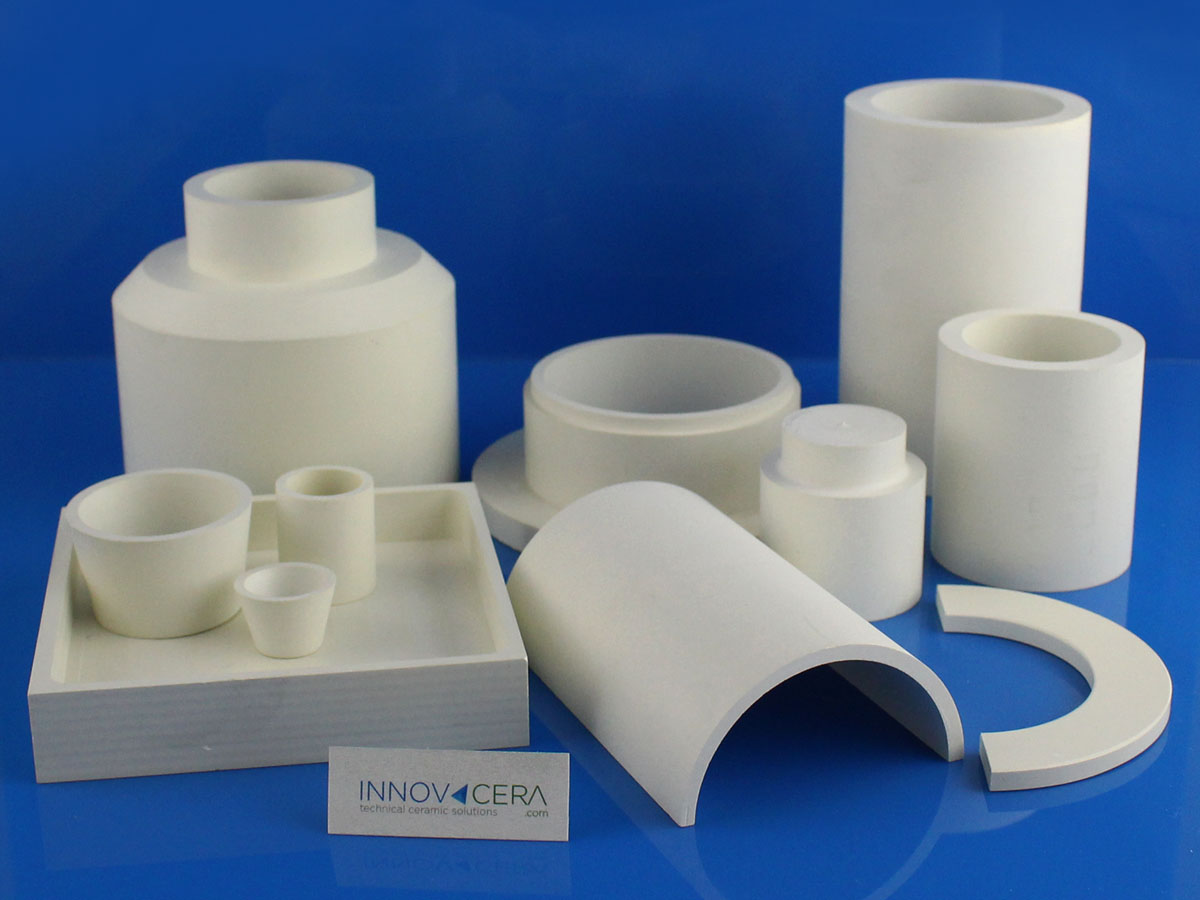
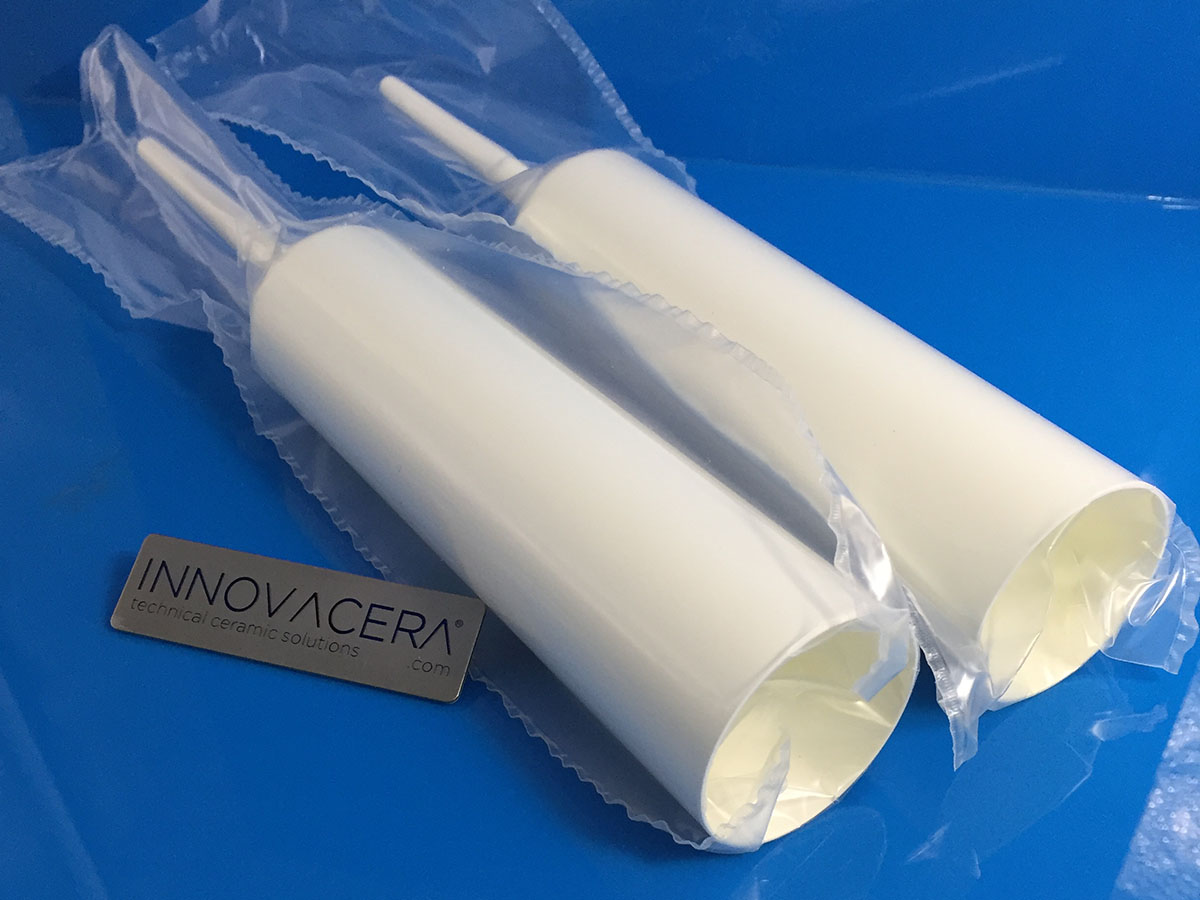
High-voltage insulators and sleeves
High-dielectric-strength ceramic insulators and sleeves protect conductors, maintain creepage distance and support reliable operation under high voltage.
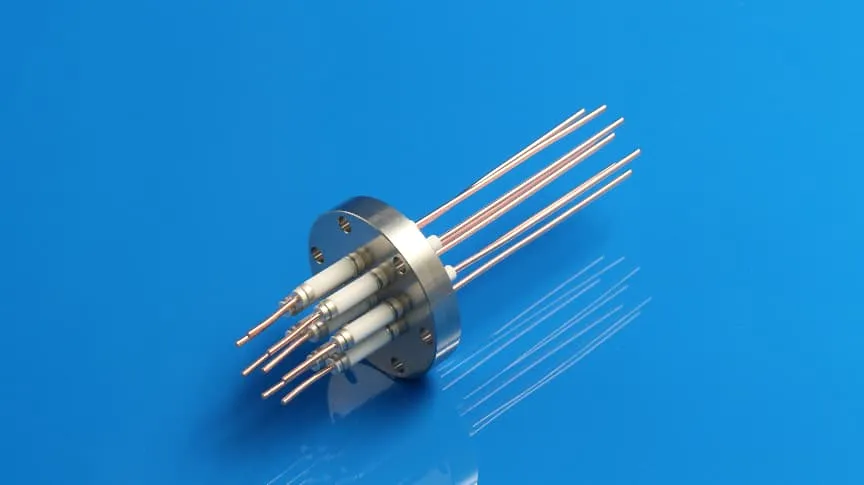
Vacuum feedthrough insulators
Metallizable ceramic insulators provide electrical isolation and hermetic sealing for power, signal and sensor feedthroughs in vacuum systems.
Semiconductor equipment insulation supports
Precision ceramic supports electrically isolate sensitive assemblies while maintaining accurate positioning, structural rigidity and thermal stability.
Custom insulating structures
Custom ceramic structures integrate mounting, alignment and insulation functions for application-specific electrical and mechanical requirements.
Challenges & Ceramic Solution Selection
A problem-oriented guide for selecting ceramic materials and component structures according to the operating conditions, reliability targets and application requirements.
| Customer Challenge | Recommended Ceramic Solution |
|---|---|
| High-voltage breakdown risk | Select high-purity alumina or proper ceramic insulation thickness. |
| Power module needs heat-transfer insulation | Use AlN substrates or thermally conductive ceramic insulating sheets. |
| Vacuum high-temperature support | Evaluate BN, alumina or sapphire ceramics. |
| Compact assembly space | Control hole position, thickness and edge transition by precision machining. |
Frequently Asked Questions
Why are ceramics used for electrical insulation?
Ceramics offer high dielectric strength, temperature resistance, aging resistance and dimensional stability.
How should AlN and alumina be selected?
AlN is preferred for thermal insulation paths; alumina is often used when cost and high-voltage insulation are priorities.
Can thickness and holes be customized?
Yes. Thickness, holes, grooves, chamfers and surface requirements can be made to drawing.
What information is required?
Please provide voltage, temperature, dimensions, tolerances, environment, quantity and drawings.
Related ceramic products.
related products are matched to this engineering solution in the current catalog.
Start Your Engineering Review.
Provide your project details, development stage, operating conditions, expected annual volume and drawings (if available). Our engineers will review feasibility, recommend suitable materials and support the most efficient path from prototype to production.