

Powder Metallurgy
Ceramic components for powder production and sintering processes where heat, abrasion, non-wetting behavior and dimensional stability are required.
Engineering requirements behind Powder Metallurgy ceramic components
Powder metallurgy processes expose parts to abrasive powders, high temperatures, thermal cycling and sometimes molten or reactive materials. Ceramic components can protect equipment and stabilize process zones when material and geometry are matched correctly.
- Operating conditions
- Component requirements
- Material selection
- Manufacturing support
Where Ceramic Components Are Used in Powder Metallurgy Equipment
Use this section to match your equipment type with typical ceramic parts and the key requirements we should review before quoting.
Application review
Material direction
Manufacturing path
Engineering Review Notes for Powder Metallurgy Ceramic Parts
Powder metallurgy ceramic components should be reviewed by powder chemistry, temperature, wear mode and process atmosphere. Nozzle, setter and liner requirements can lead to different material choices.
Information to share before material review
- Process type, such as atomization, powder handling, sintering, furnace support or molten material contact.
- Powder material, particle size, temperature, atmosphere, thermal cycling and whether molten metal contact is present.
- Drawing, orifice dimensions, contact surfaces, wear areas and critical tolerances.
- Existing failure mode, quantity, prototype schedule and inspection requirements.
How we use this information
- Choose an initial ceramic direction based on abrasion, temperature, non-wetting behavior and process compatibility.
- Review whether the part can be formed, machined and fired while holding critical dimensions.
- Identify features where thermal shock, chipping, powder buildup or flow instability may occur.
What Innovacera can support
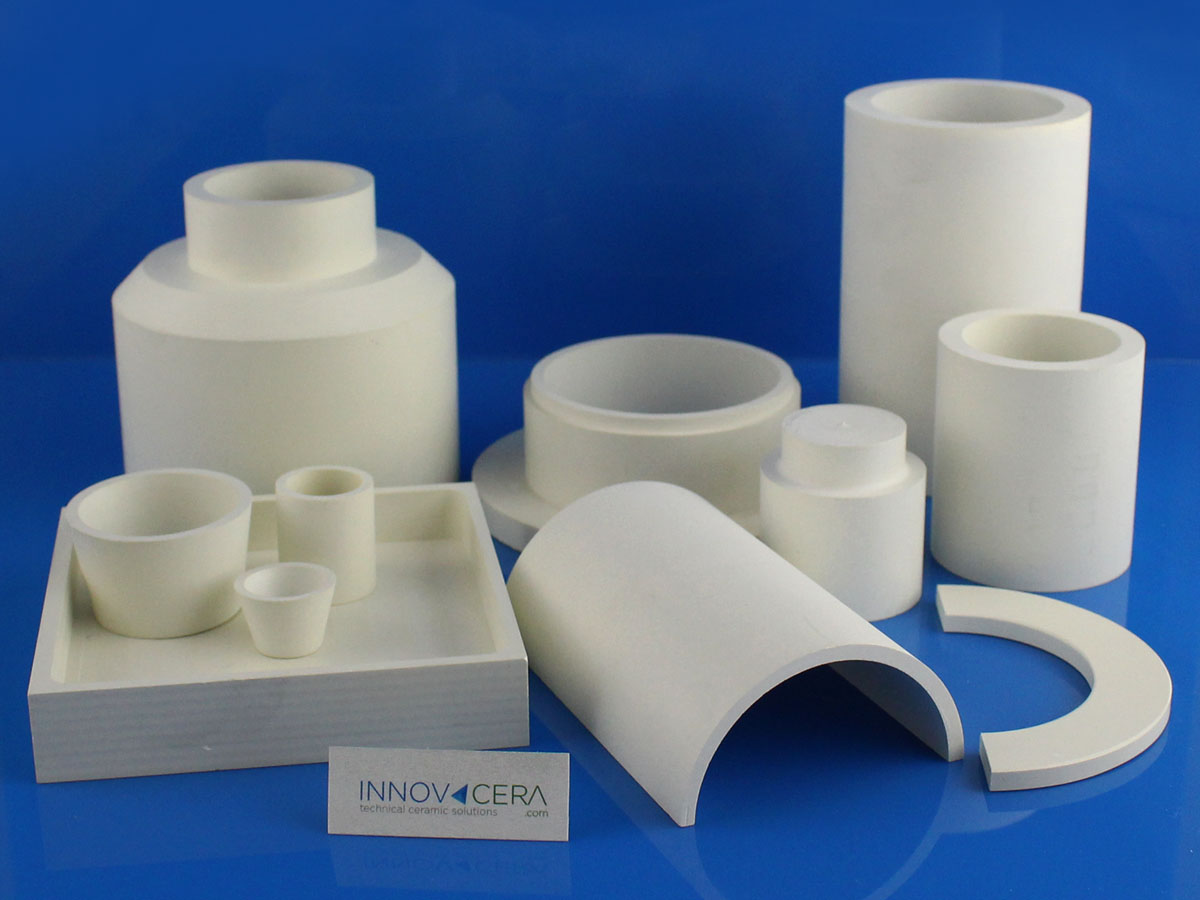
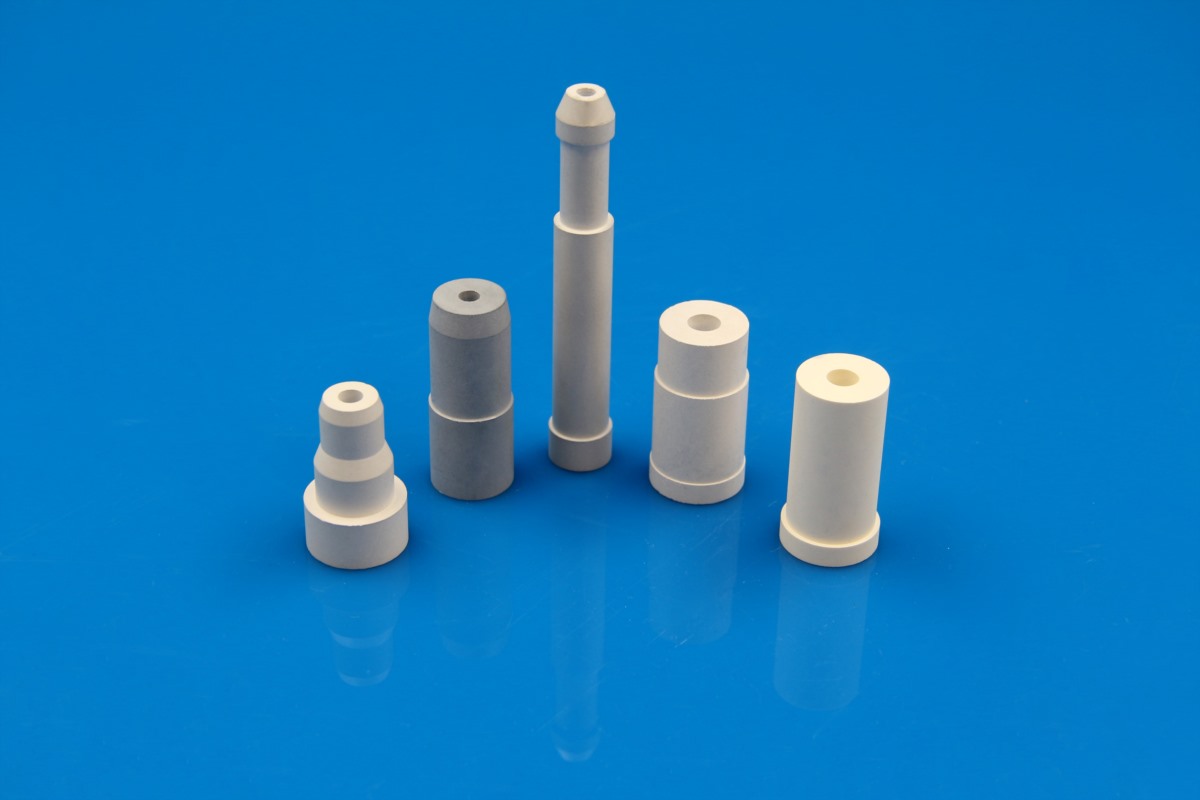
Innovacera supports powder metallurgy equipment with ceramic nozzles, furnace parts, liners, setters and custom high-temperature components.
Related ceramic products.
4 related products are tagged to this application field in the current catalog. Use them as starting points for standard review or custom manufacturing discussion.
Start with the conditions. We will help review the ceramic path.
Share your operating conditions, performance requirements, and design challenges. We' Il help identify the optimal ceramic solution.