

Energy
Ceramic insulation, thermal management and wear-resistant parts for energy equipment where heat, voltage, corrosion and long service life matter.
Engineering requirements behind Energy ceramic components
Energy systems often combine high voltage, elevated temperature, corrosive media, thermal cycling and long operating cycles. Ceramic components can provide insulation, thermal management and chemical or wear resistance where metals and polymers are limited.
- Operating conditions
- Component requirements
- Material selection
- Manufacturing support
Where Ceramic Components Are Used in Energy Equipment
Use this section to match your equipment type with typical ceramic parts and the key requirements we should review before quoting.
Application review
Material direction
Manufacturing path
Engineering Review Notes for Energy Ceramic Parts
Energy equipment ceramic parts should be reviewed by operating environment first. Voltage, heat, chemical media and service life usually determine the useful material selection before geometry is finalized.
Information to share before material review
- System type, such as battery, hydrogen, power electronics, heater, solar or renewable energy equipment.
- Voltage, temperature, media contact, pressure, thermal cycling and expected service life.
- Drawing, assembly constraints, mounting surfaces, insulation gaps and critical tolerances.
- Quantity, prototype schedule, test requirements and whether the part is replacing metal, polymer or another ceramic.
How we use this information
- Select a practical starting material based on insulation, heat flow, chemical resistance and mechanical stress.
- Review whether the geometry can be produced consistently through forming, firing and machining.
- Identify surfaces where flatness, sealing, edge strength or thermal contact will affect performance.
What Innovacera can support
Innovacera supports ceramic material review and custom component manufacturing for energy storage, power conversion, hydrogen and high-temperature energy equipment.
Related ceramic products.
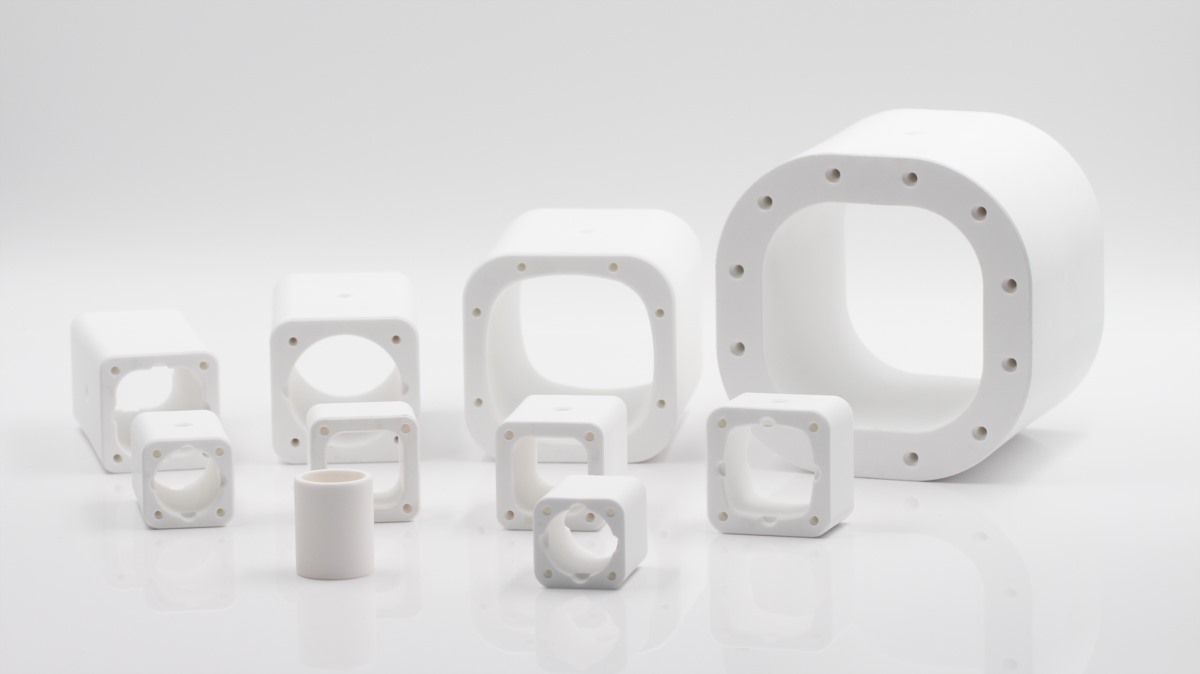
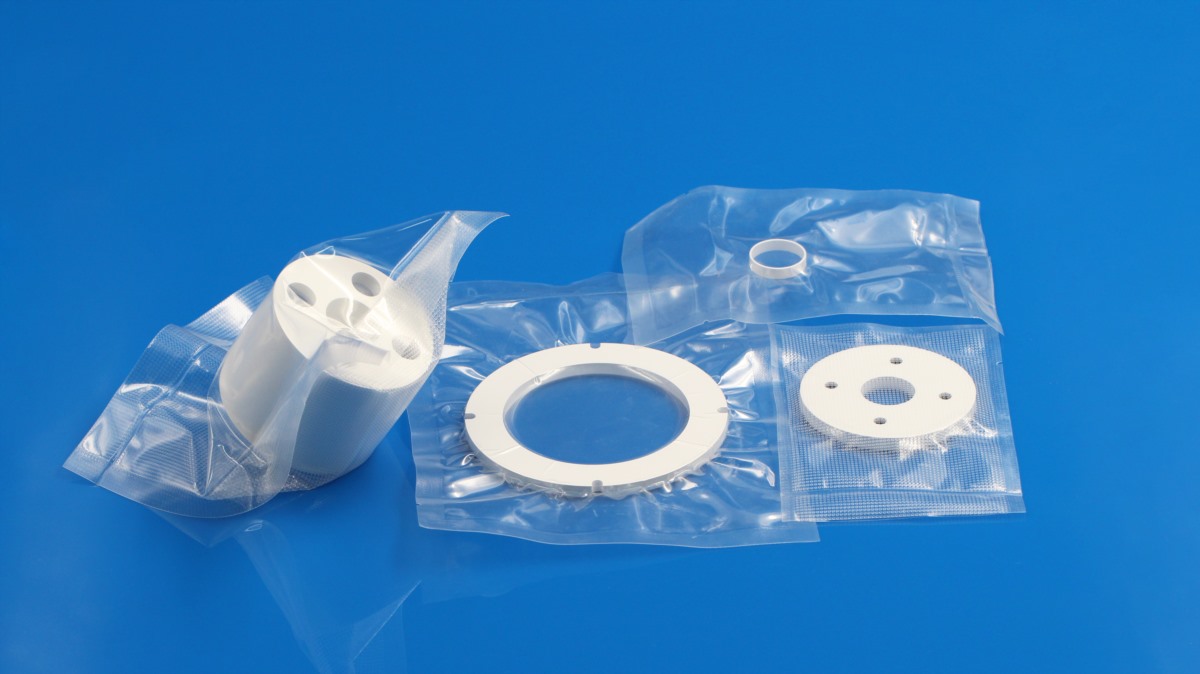
4 related products are tagged to this application field in the current catalog. Use them as starting points for standard review or custom manufacturing discussion.


Start with the conditions. We will help review the ceramic path.
Share your operating conditions, performance requirements, and design challenges. We' Il help identify the optimal ceramic solution.