Product family

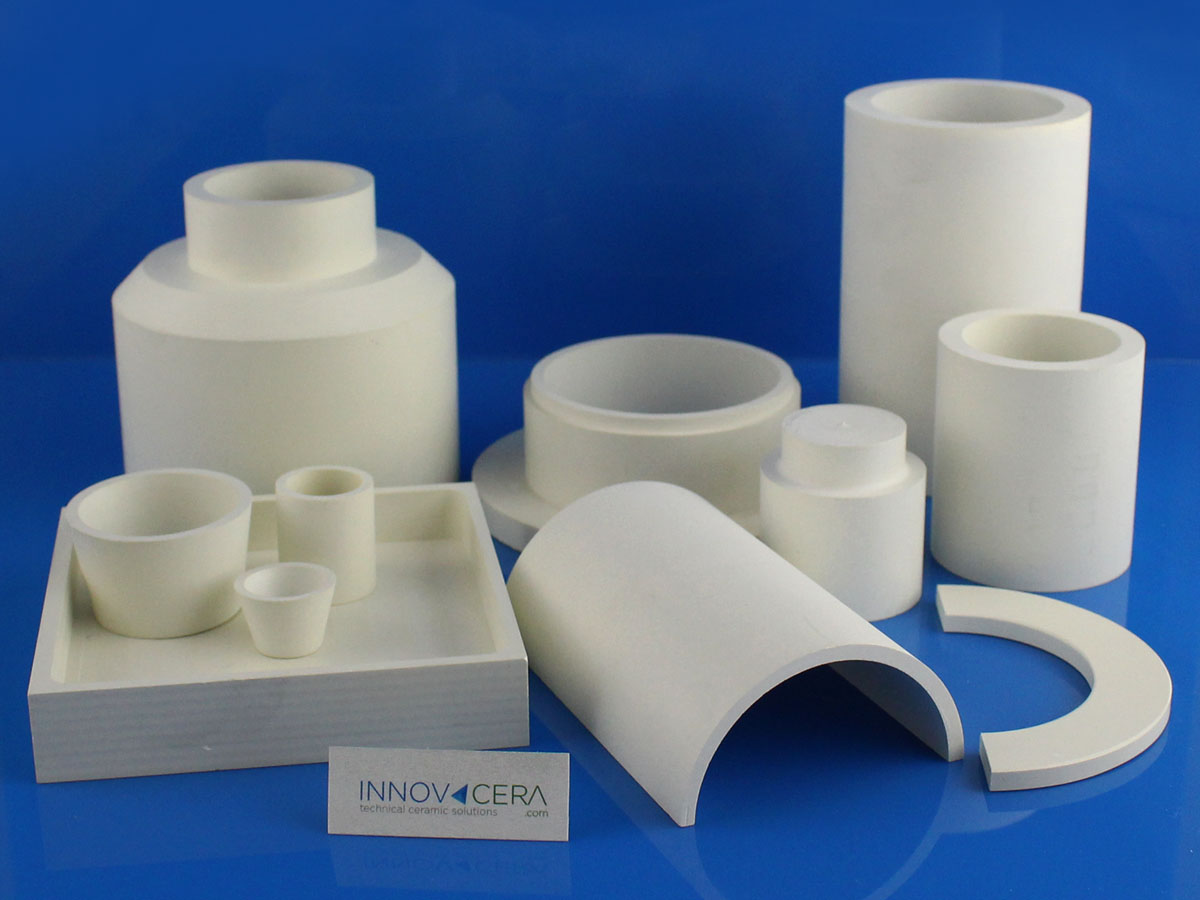
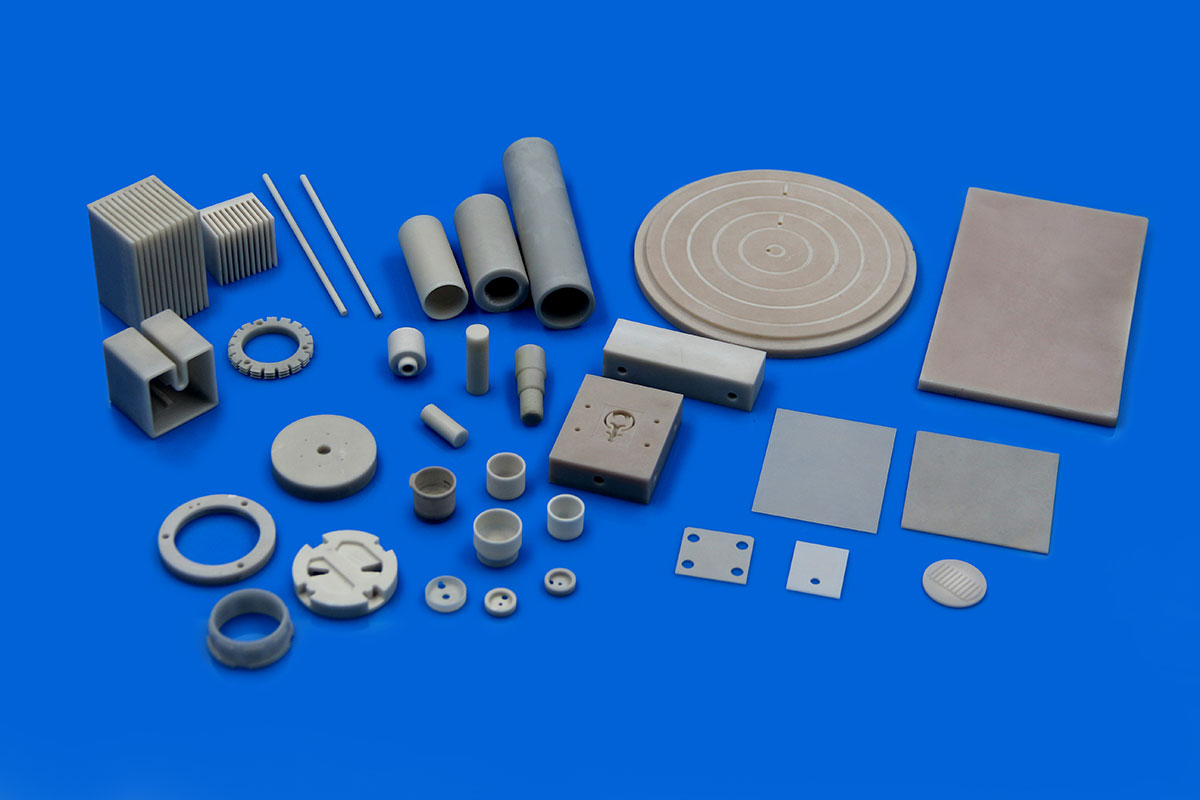
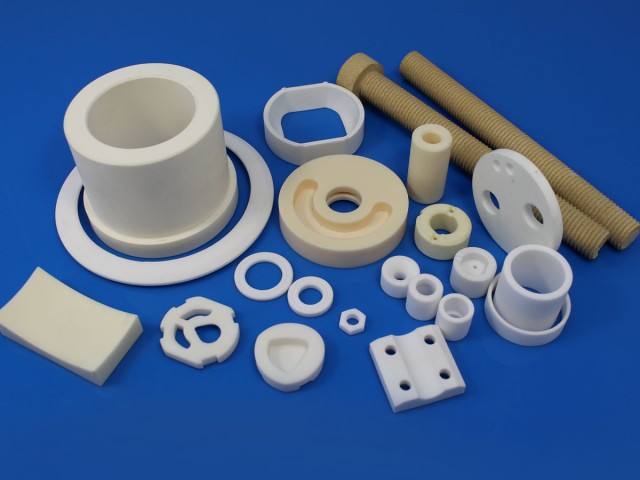
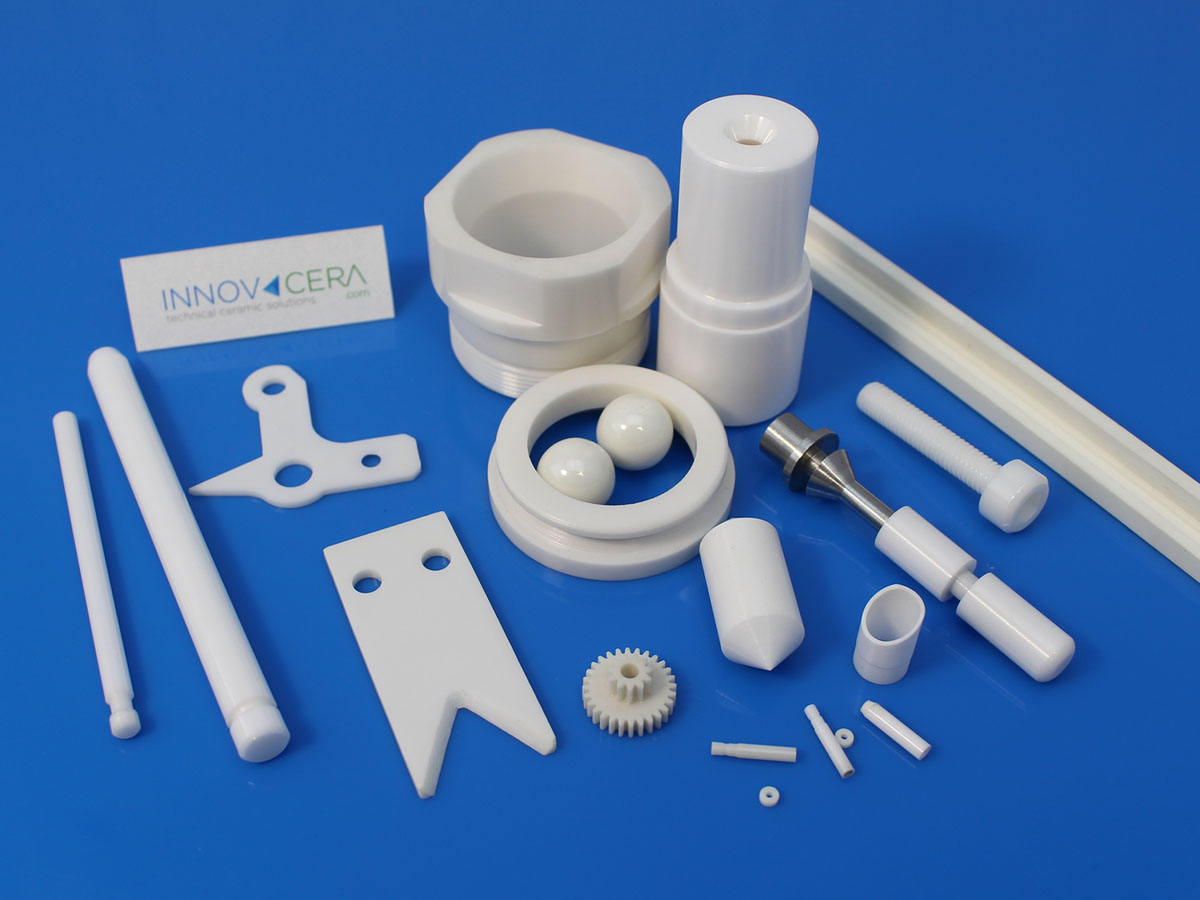
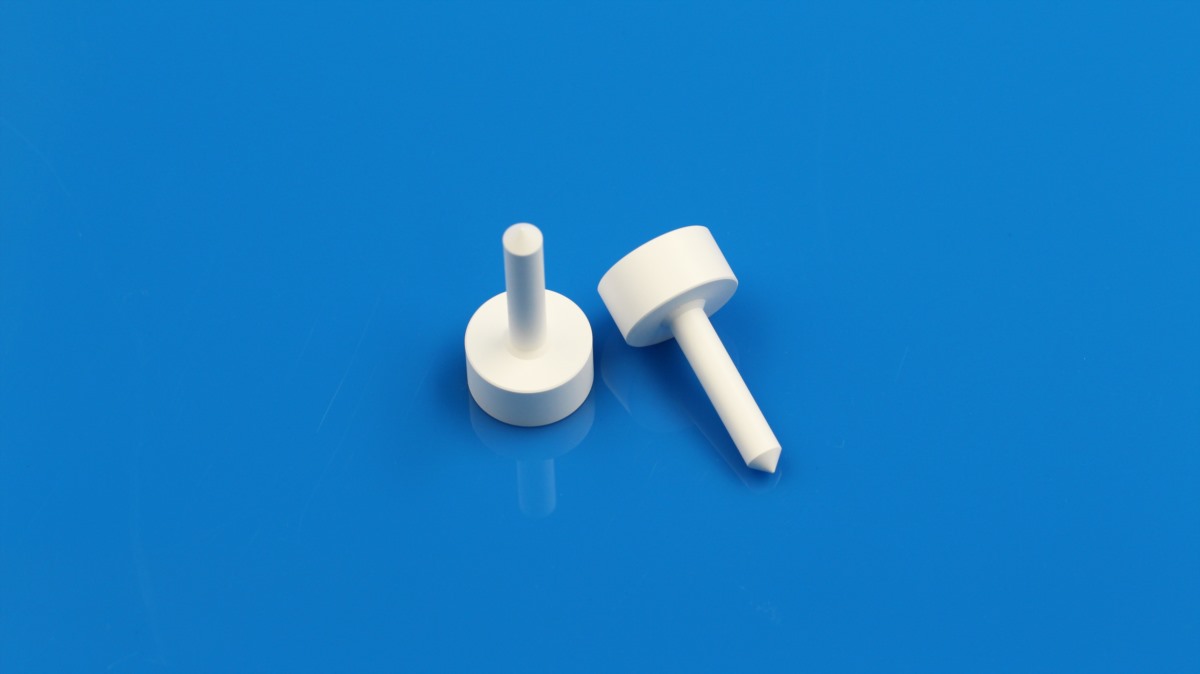
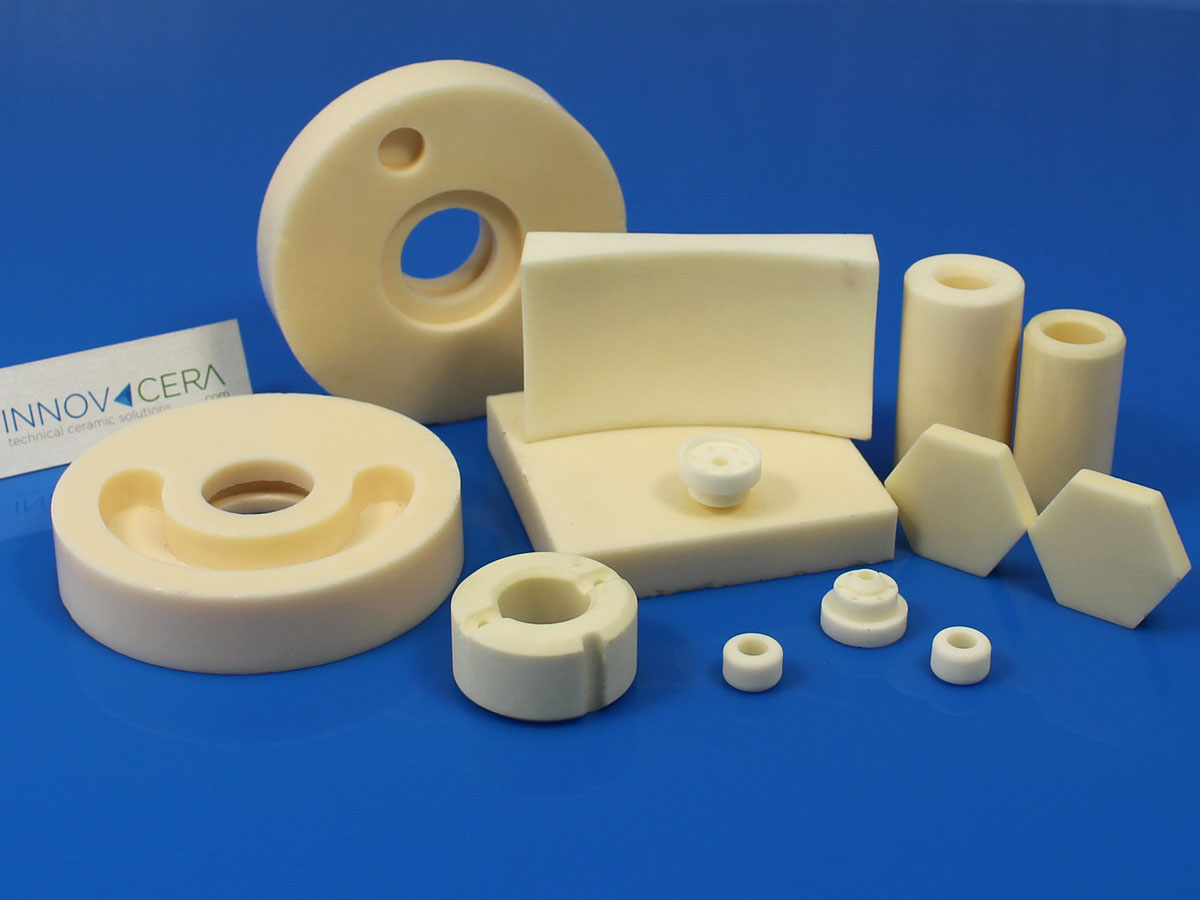
Precision Ceramic Components

Related products 8 products in the current catalog
Common forms pins, spacers, washers, rings, sleeves
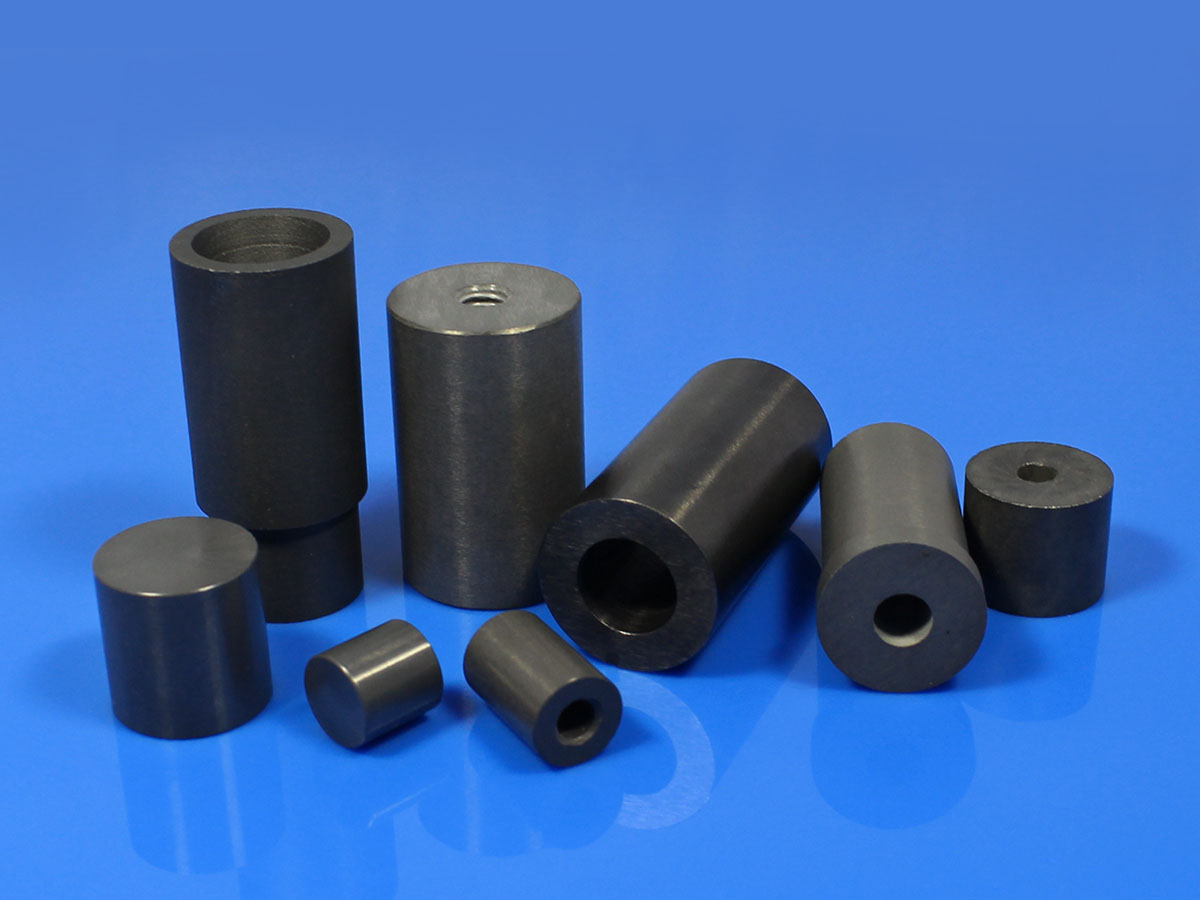
Material options Silicon Nitride (Si3N4)
Current catalog

Related products

Back to product categories
Boron Nitride Ceramics

Boron Nitride Ceramics

More Details
Aluminum Nitride Ceramics

Aluminum Nitride Ceramics

More Details
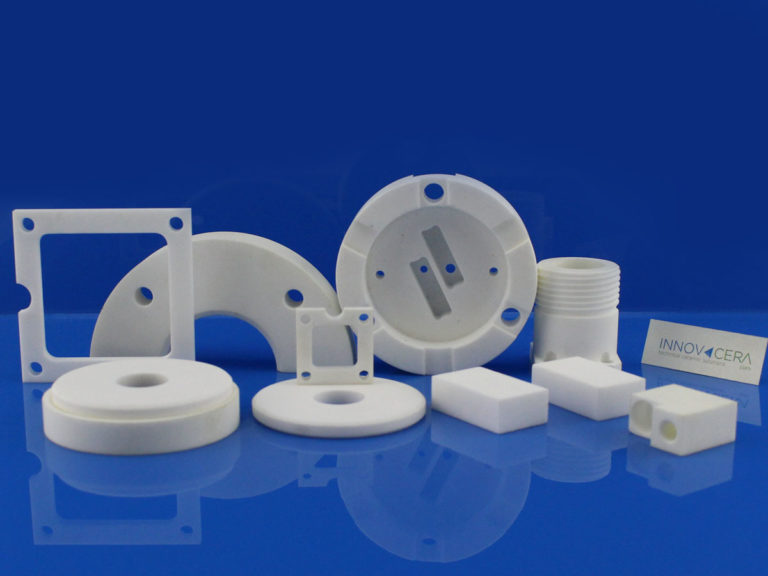
Alumina Ceramic (Al₂O₃)

Alumina Ceramic (Al₂O₃)

More Details
Zirconia Ceramics

Zirconia Ceramics

More Details
Silicon Nitride (Si3N4) Ceramic

Silicon Nitride (Si3N4) Ceramic

More Details
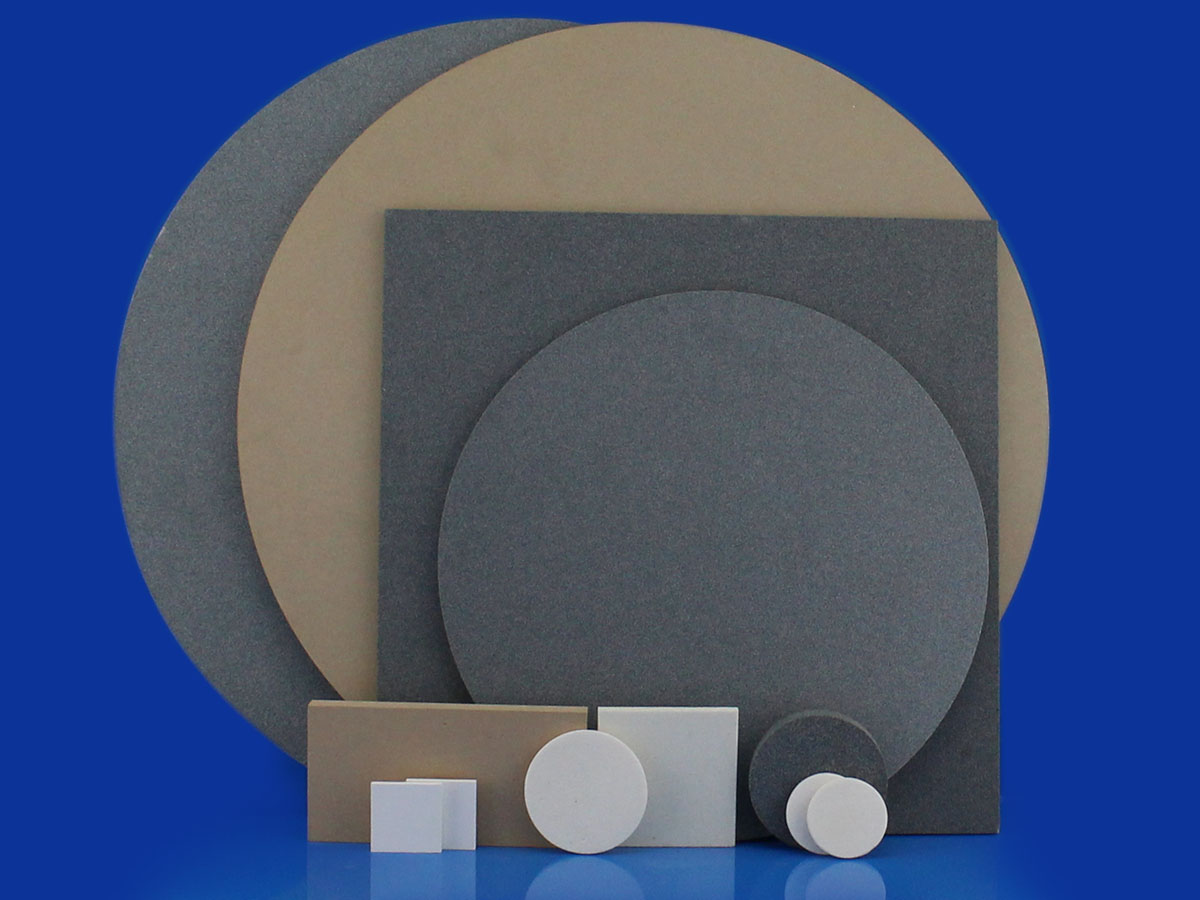
Porous Ceramics

Porous Ceramics

More Details
Magnesium Stabilized Zirconia Ceramic

Magnesium Stabilized Zirconia Ceramic

More Details
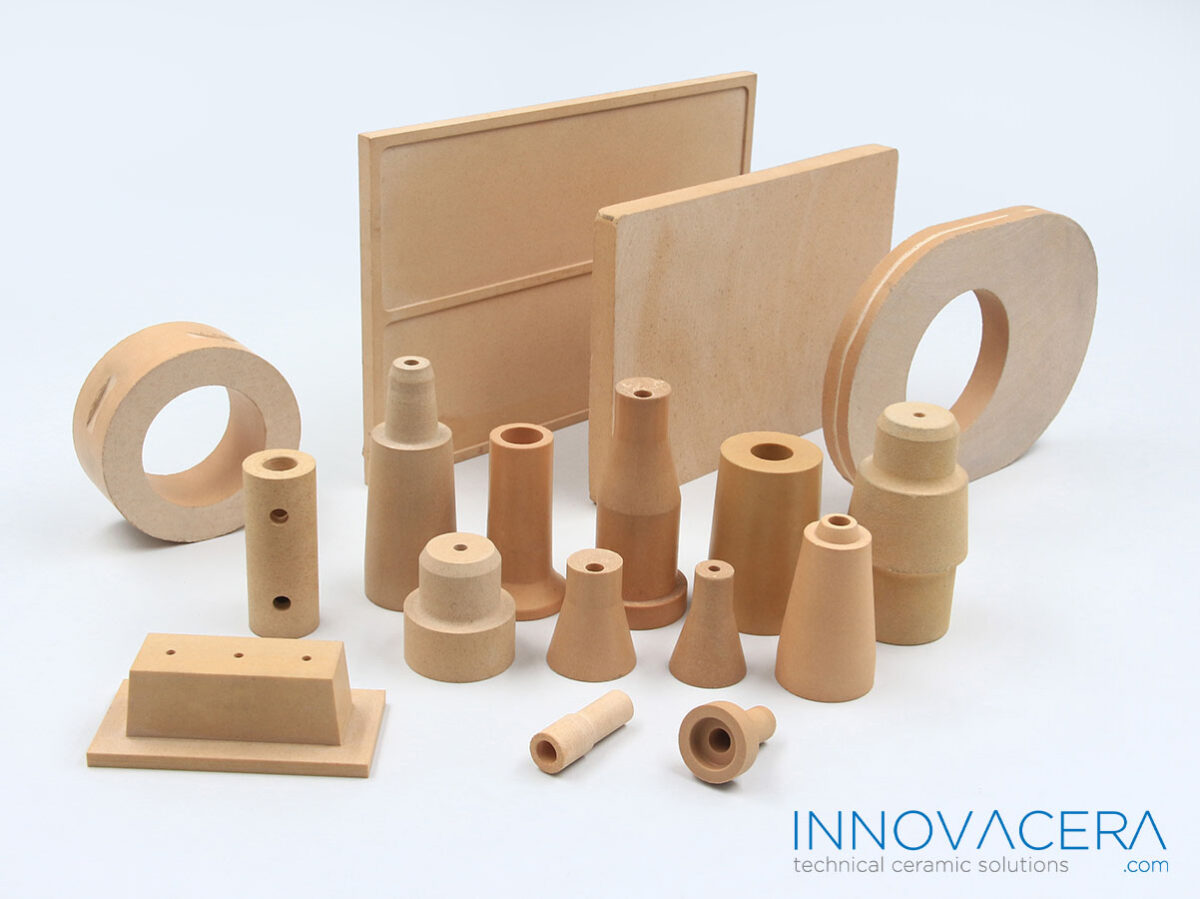
Machinable Glass Ceramic

Machinable Glass Ceramic

More Details
Application Scenarios

Precision Ceramic Components for Critical Alignment, Motion and Instrument Performance

This product family focuses on components whose value comes from controlled dimensions, reference surfaces, concentricity, positioning accuracy, surface finish and stable performance under wear, vacuum, thermal or electrical loading.

01

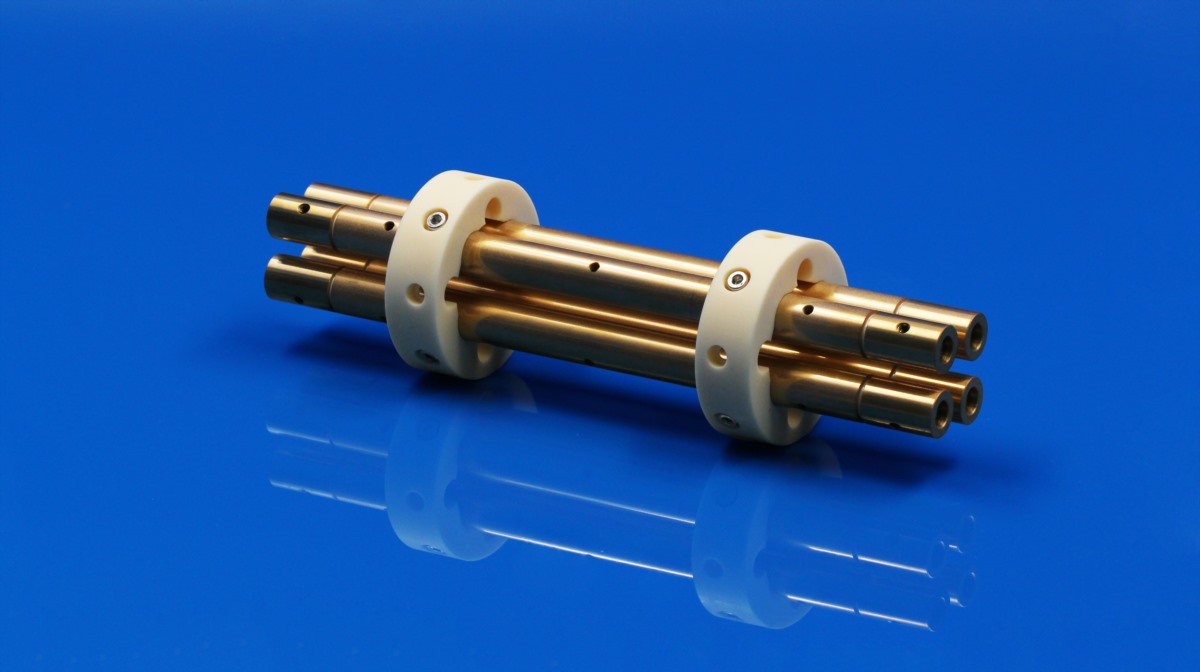
Mass Spectrometry & Ion-Optics Components

Quadrupole mass filters, ceramic orifice plates, ion-repeller tubes, collars, saddles and insulating supports rely on accurately controlled geometry to maintain rod alignment, electric-field stability and repeatable ion transmission inside analytical instruments.

View Quadrupole Components
Precision ceramic quadrupole mass filter assembly for mass spectrometry

Analytical Instruments & Ion Optics

02

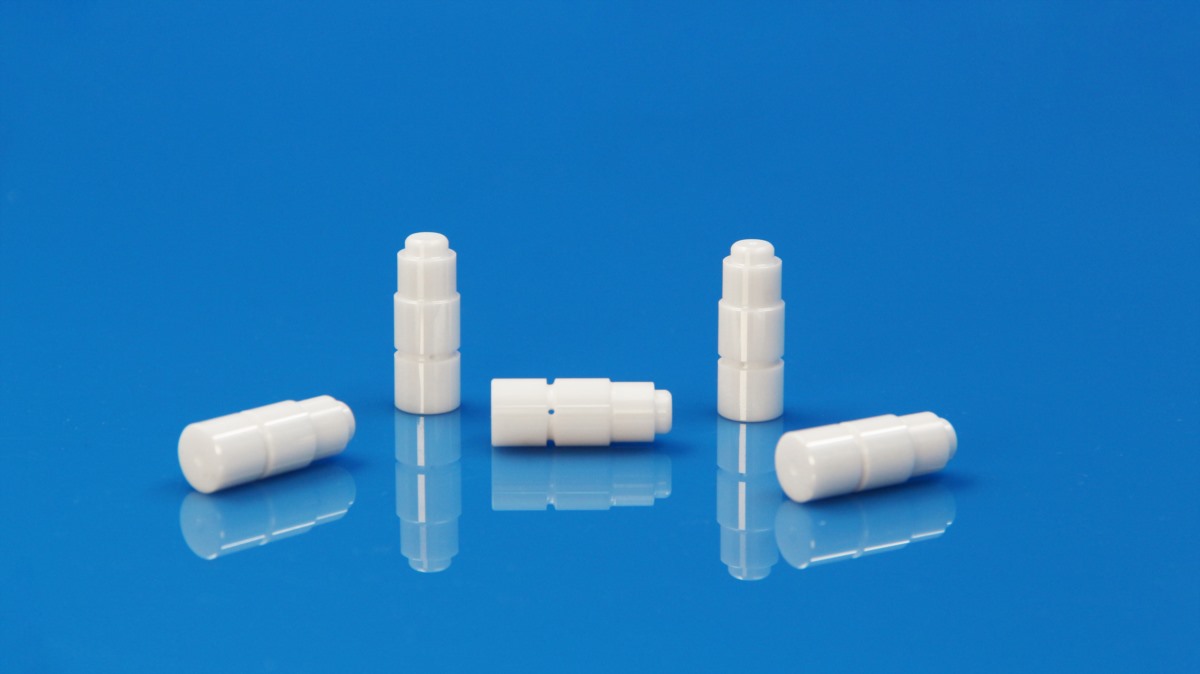
Precision Plungers, Sleeves & Metering Interfaces

Ground zirconia plungers and matched sleeves are used in injector, dosing, pump and fluid-control assemblies where diameter consistency, polished working surfaces, fit clearance and wear resistance influence flow repeatability and service life.

Precision-ground zirconia ceramic plungers and sleeves for pumps and injectors

Pumps, Injectors & Metering

03

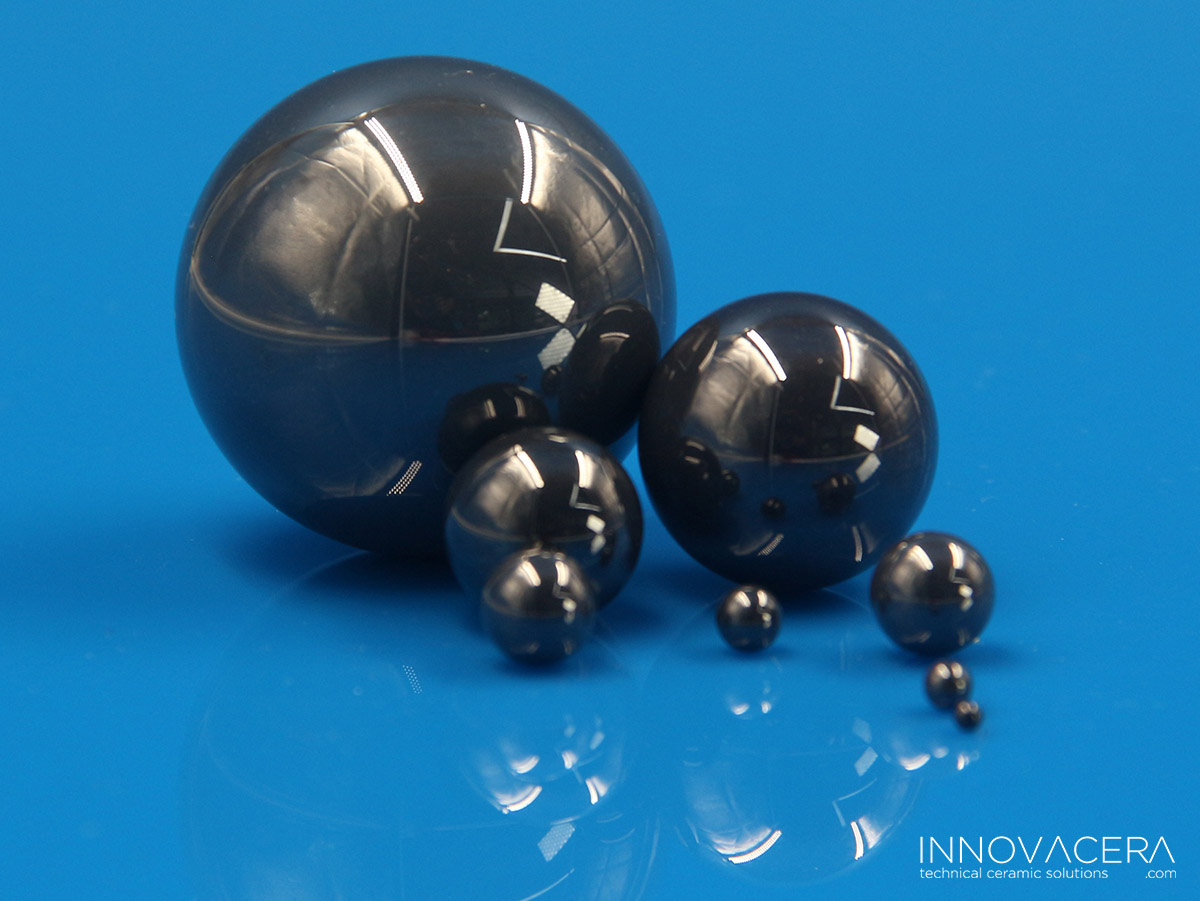
High-Accuracy Motion, Bearing & Positioning Parts

Silicon nitride balls, rollers and weld-location pins combine low mass, hardness, fatigue resistance and dimensional stability. They are selected for high-speed bearings, pump valves, automated positioning and projection-welding systems that must preserve accuracy over repeated cycles.

High-precision silicon nitride ceramic balls and rollers for bearings and valves

Bearings, Valves & Positioning

04

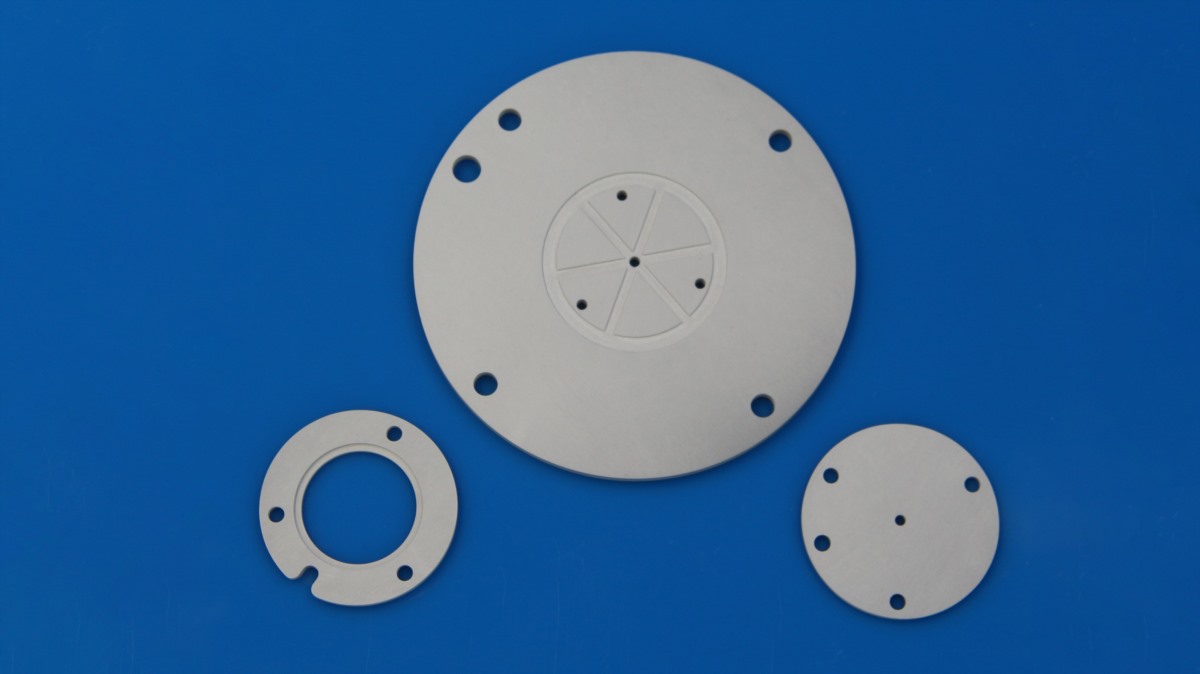
Semiconductor, Vacuum & High-Temperature Insulators

Precision-machined BN-AlN plates, boron nitride locator pins and complex insulating structures support ion sources, plasma systems, high-temperature equipment and vacuum assemblies where electrical isolation, thermal behavior, low outgassing and detailed geometry must be balanced.

Precision-machined BN-AlN ceramic components for semiconductor ion sources and vacuum systems

Semiconductor, Plasma & Vacuum

FAQ

Frequently Asked Questions About Precision Ceramic Components

Important considerations for ceramic selection, dimensional control, finishing, inspection and prototype-to-production planning.

What makes a ceramic component a precision component?

A precision ceramic component has controlled dimensions, datums, working surfaces or interfaces that directly affect fit, motion, sealing, alignment, electric-field stability or instrument accuracy.

Which materials are available for precision ceramic parts?

Common choices include alumina, zirconia, silicon nitride, aluminum nitride, boron nitride and machinable glass ceramic. Silicon carbide and other materials can also be reviewed for specific wear, thermal or structural requirements.

How should the ceramic material be selected?

Selection should begin with the operating environment. Define load, wear, temperature, electrical insulation, thermal conductivity, corrosion, plasma or vacuum exposure and assembly interfaces before comparing ceramic grades.

Can Innovacera manufacture directly from customer drawings?

Yes. Dimensioned drawings, CAD files and samples can be reviewed for custom tubes, pins, sleeves, plates, guides, plungers, balls, insulators and complex machined structures.

What tolerances are realistic for precision ceramic components?

Achievable tolerances depend on material, size, wall thickness, aspect ratio, sintering route and whether the feature is formed, green-machined or diamond-ground after firing. Critical tolerances should be identified separately.

What is the difference between green and fired ceramic machining?

Green machining shapes the compact before sintering and is efficient for many complex forms. Fired machining uses diamond grinding, lapping or polishing after sintering when tighter dimensions, flatness, concentricity or finish are required.

Can surfaces and edges receive special finishing?

Yes. Options may include precision grinding, lapping, polishing, controlled roughness, chamfers and radiused edges. Finish requirements should be connected to the component’s mating, sealing, sliding or optical function.

What information is needed for an RFQ?

Provide the drawing or CAD model, preferred material, working conditions, critical dimensions and datums, surface and edge requirements, inspection criteria, prototype quantity and expected annual demand.


Why Innovacera

Drawing-Based Support for Manufacturable Ceramic Precision

Material behavior, geometry, forming route, sintering shrinkage, final machining and inspection are reviewed as one system so critical features can meet their functional requirements without unnecessary processing.

Multi-Material Selection

Alumina, zirconia, silicon nitride, AlN, BN and machinable ceramics compared around the actual service condition.

Precision Machining Routes

Green machining, diamond grinding, lapping, polishing, drilling and selected CNC operations.

Prototype-to-Production Review

Early samples validate fit and performance before the serial process and inspection plan are finalized.

Drawing & Inspection Alignment

Critical dimensions, datums, finish, edge condition and acceptance methods clarified before manufacturing.

Project RFQ

Send Your Drawing and Operating Requirements for Engineering Review

Share the part geometry, material targets, assembly interfaces and working conditions. Innovacera can review material choice, prototype route, achievable tolerances and a production-ready ceramic manufacturing path.

Submit Precision Ceramic RFQ

Recommended project information

  • Drawing or CAD ModelProvide a dimensioned drawing, STEP file or representative sample with revision control.
  • Material & GradeState the preferred ceramic, purity or grade, or describe the properties the application requires.
  • Critical DimensionsIdentify datums, fits, hole positions, flatness, concentricity and dimensions that affect assembly.
  • Surface & Edge ConditionSpecify roughness, polishing, lapping, chamfers, radii, deburring and cosmetic limits.
  • Operating EnvironmentInclude temperature, voltage, frequency, vacuum, plasma, chemical, wear and thermal-cycling conditions.
  • Load & Assembly MethodDescribe mechanical loading, fasteners, press fits, bonding, brazing or contact with metal components.
  • Inspection RequirementsList dimensional reports, material certificates, electrical tests, visual standards or special validation.
  • Quantity & ScheduleProvide prototype quantity, annual demand, target delivery, approval process and packaging needs.

Review this product family for your project.

Send drawings, operating conditions, material preference, tolerance targets and quantity. Innovacera can review standard catalog products or custom ceramic manufacturing paths.