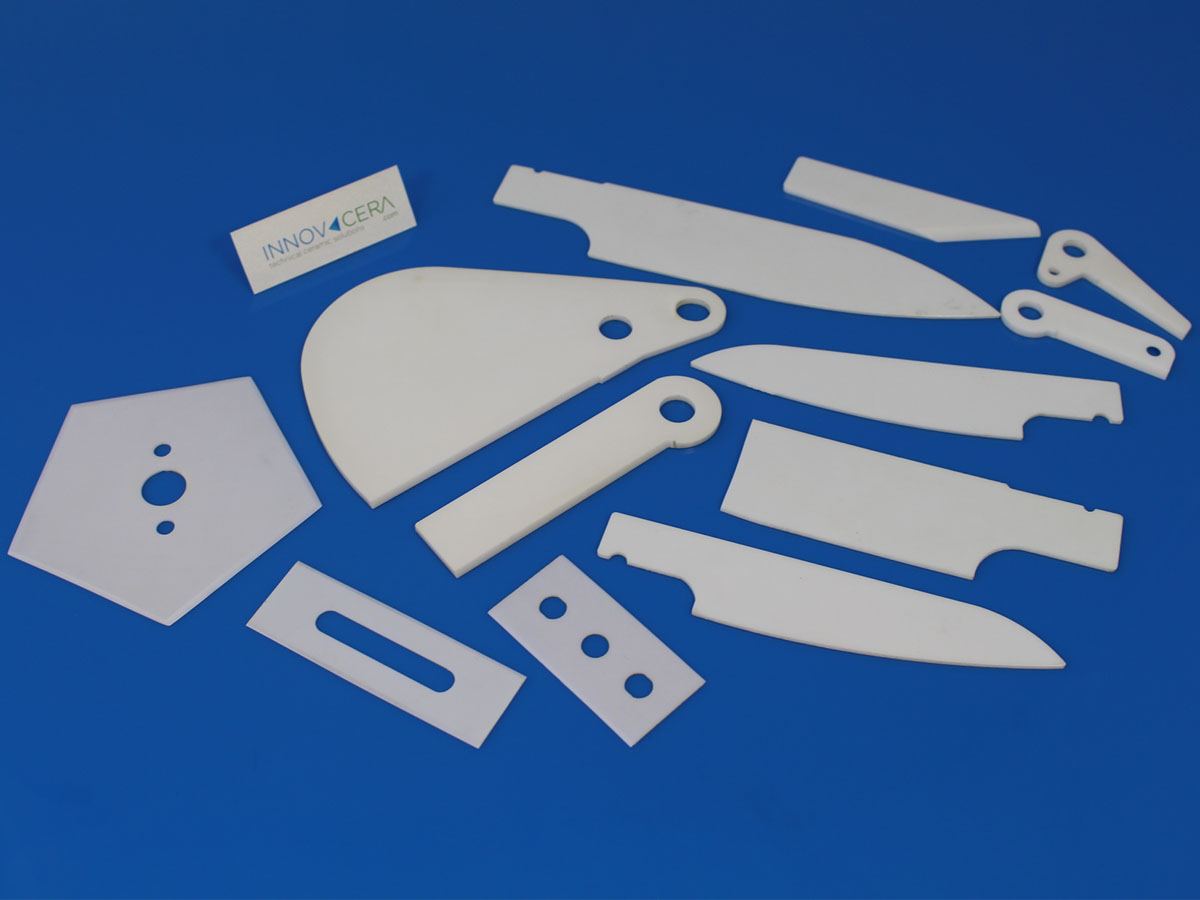
Product family

Textile Ceramic Components

Related products 4 products in the current catalog
Common forms guides, eyelets, pulleys, thread nozzles
Current catalog

Related products

Back to product categories
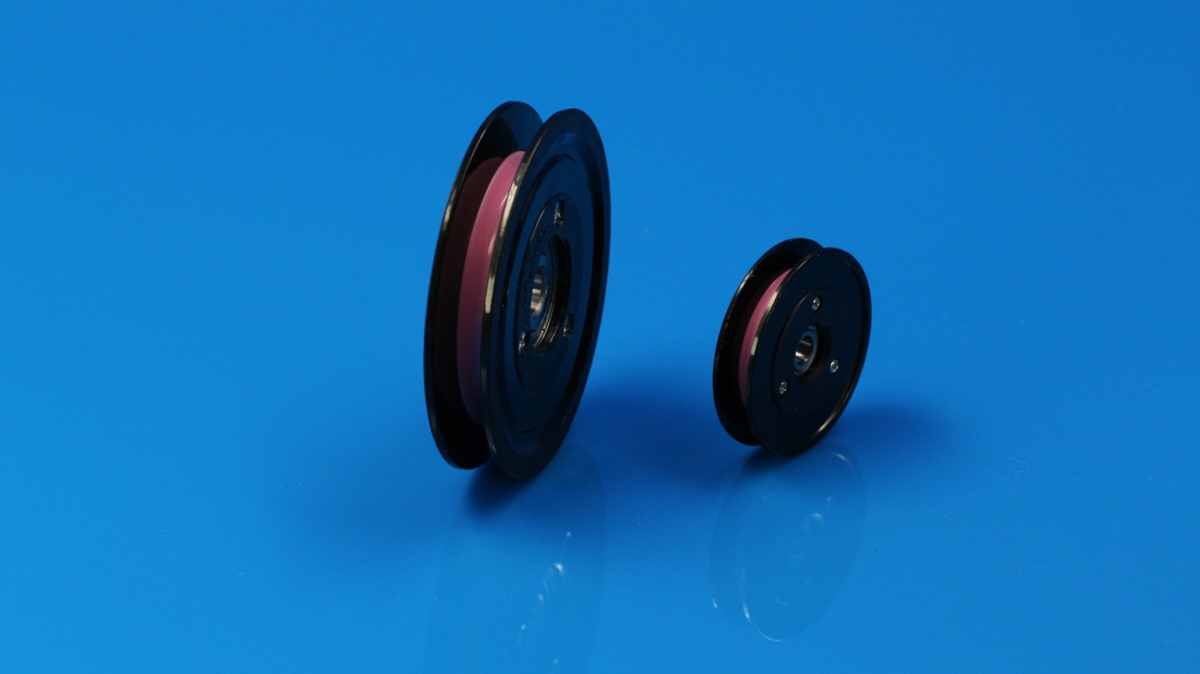
Ceramic Wire Guide Pulley

Ceramic Wire Guide Pulley

More Details
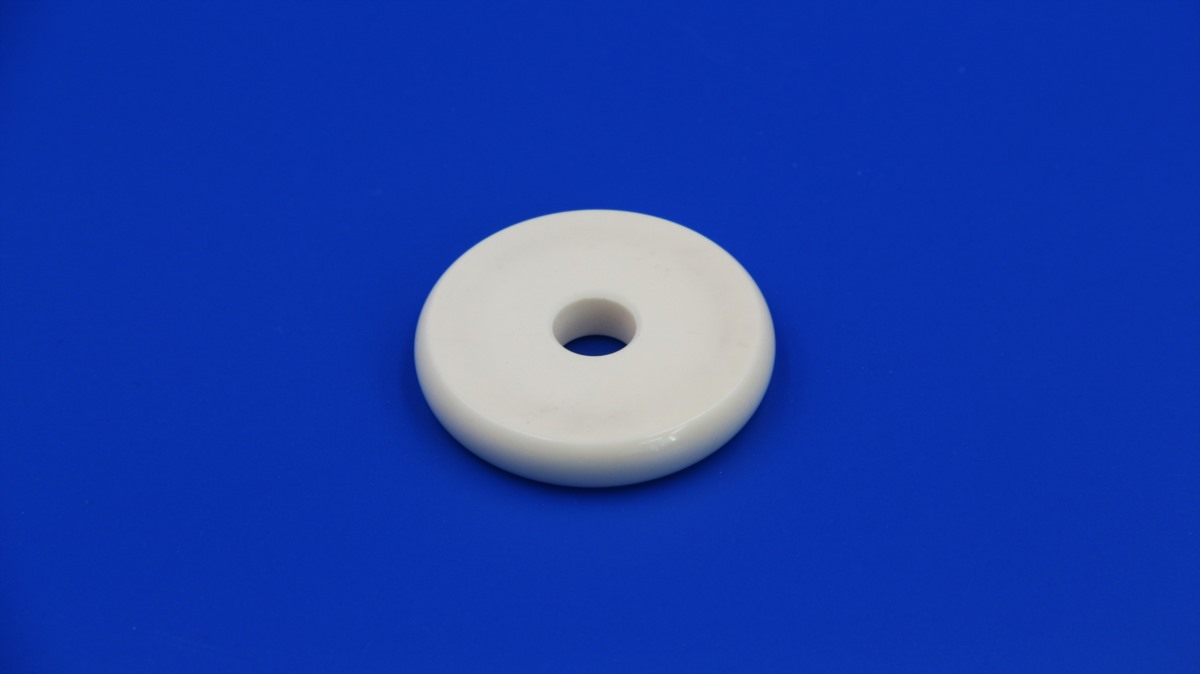
Ceramic Friction Disc

Ceramic Friction Disc

More Details
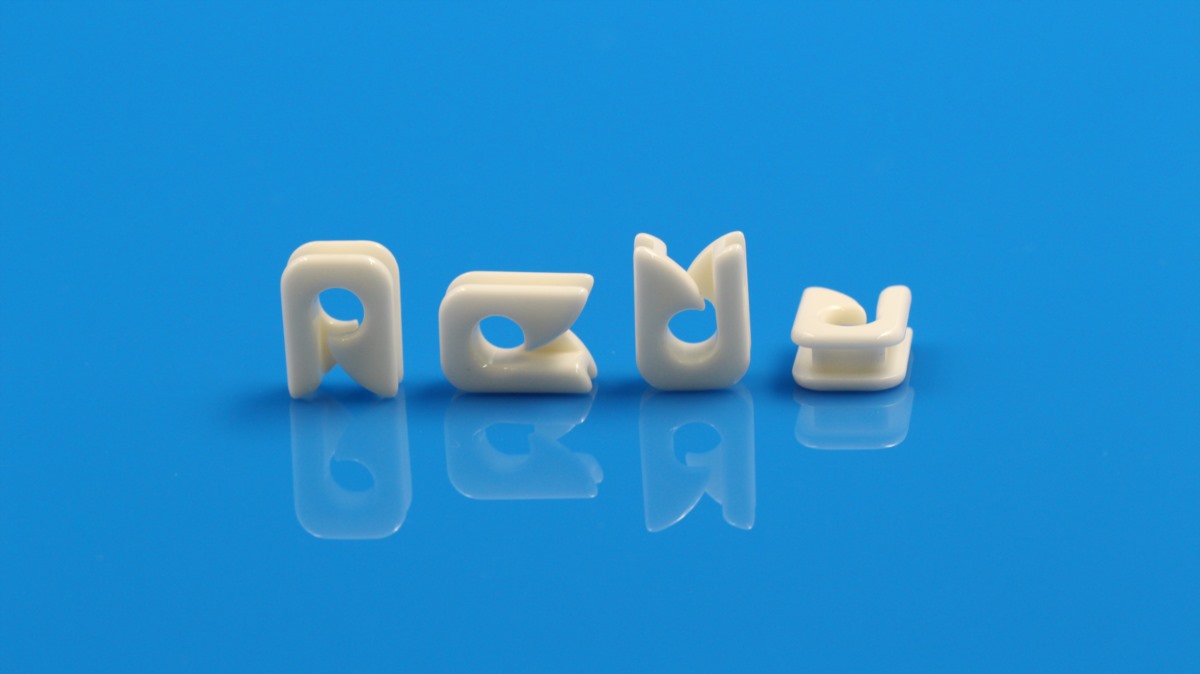
Textile Ceramic Guides for Acetate Tow Spinning

Textile Ceramic Guides for Acetate Tow Spinning

More Details
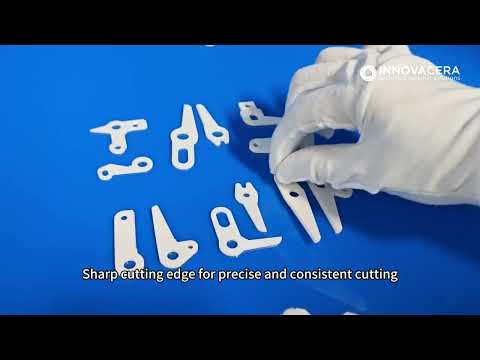
Ceramic Cutting Blade

Ceramic Cutting Blade

More Details
Application Scenarios

Textile Ceramic Components for Yarn, Thread and Wire Handling

Polished ceramic guide surfaces are used where textile and winding equipment requires low wear, electrical insulation, stable routing and controlled contact with yarn, thread, fibre or fine wire.

01

Yarn Winding and Rewinding

Ceramic guides, eyelets and pulleys provide smooth contact surfaces for routing yarn through winding and rewinding equipment. Correct contact radius and surface finish help reduce snagging, fibre damage and unstable tension at high operating speeds.

Discuss Your Application
Yarn winding and rewinding production line

Yarn Winding · Tension Control

02

Spinning, Weaving and Knitting Machinery

Wear-resistant ceramic contact components support repeatable thread paths in spinning, weaving and knitting systems. Alumina is commonly selected for insulation, hardness and long-term surface stability under continuous production conditions.

Request Technical Review
Textile spinning and weaving machinery

Spinning · Weaving · Knitting

03

Coil, Cable and Fine-Wire Winding

Ceramic inserts and rotating guide pulleys are used in coil winding, wire drawing and cable equipment. As the pulley rotates with the passing wire, continuous sliding friction can be reduced while the ceramic contact zone provides wear resistance and electrical isolation.

Discuss Custom Parts
Industrial winding equipment for thread and fine wire

Coil Winding · Cable · Fine Wire

04

Tubing and Extruded-Material Guidance

Ceramic wire guide pulley assemblies can also guide tubing and extruded materials through continuous production lines. Selection should consider groove geometry, bore, mounting, contact radius, speed, temperature and the required wear life.

Get Project Support
Ceramic wire guide pulley product range

Guide Pulleys · Continuous Materials

FAQ

Frequently Asked Questions About Textile Ceramic Components

These answers cover material selection, contact-surface requirements, customization and the information needed to review a ceramic guide or pulley project.

What types of textile ceramic components are available?

Typical forms include yarn guides, wire guides, ceramic eyelets, guide pulleys and custom thread nozzles. The current Innovacera catalog includes ceramic wire guide pulleys, while other geometries can be reviewed from drawings.

What materials are used for ceramic wire guide pulleys?

The catalog pulley uses plastic flanges with polished 99% alumina ceramic inserts or 95% pink aluminum oxide ceramic inserts. Other textile guide components may be reviewed in alumina, zirconia or selected titania ceramics.

Why use ceramic at the yarn or wire contact surface?

A polished ceramic surface combines wear resistance, electrical insulation, temperature capability and dimensional stability. When geometry and finish are correctly specified, it can help reduce abrasion, snagging and irregular material tracking.

Can pulley dimensions and groove geometry be customized?

Yes. Share the outer diameter, bore, width, groove dimensions, contact radius, mounting arrangement and operating conditions. Innovacera can review a standard model or a custom manufacturing route.

How should the ceramic surface finish be specified?

Provide the yarn, fibre or wire material, diameter, coating, line speed, tension and allowable damage level. Surface roughness, polish and contact radius should be evaluated together rather than as isolated requirements.

What information is needed for a textile ceramic RFQ?

Please provide a drawing or sample, material preference, contact medium, speed, tension, temperature, mounting method, critical dimensions, surface-finish requirement, quantity and the main wear or handling issue.

Why Innovacera

Engineering Support for Ceramic Guide and Pulley Components

Innovacera reviews ceramic contact components against the handled material, equipment speed, mounting arrangement, wear target and drawing requirements before confirming a standard or custom solution.

Material Selection Support

Alumina, zirconia and selected ceramic options can be reviewed for wear, toughness, insulation and surface requirements.

Contact Geometry Review

Groove, contact radius, bore and mounting features are checked against yarn, thread, fibre or wire handling conditions.

Surface Finish Control

Polishing and roughness requirements are considered together with line speed, tension and allowable material damage.

Standard or Custom Supply

Existing pulley models are available, while custom ceramic guides and assemblies can be developed from project drawings.

RFQ Engineering Checklist

Share the Contact Material, Geometry and Operating Conditions

To review a textile ceramic guide or pulley, provide the drawing, handled material, line conditions, mounting arrangement and required surface quality.

The most important details are usually yarn or wire type, contact radius, groove geometry, speed, tension, temperature, wear target and order quantity.

Submit Product RFQ
Information that helps engineering review
  • Drawing or sampleOuter diameter, bore, width, groove, contact radius, tolerances and mounting interface.
  • Contact materialYarn, thread, fibre, cable, enamelled wire, tubing or other continuous material.
  • Operating conditionsLine speed, tension, temperature, environment, cleaning method and expected wear life.
  • Project requirementsSurface finish, material preference, prototype or batch quantity and annual demand.

Review this product family for your project.

Send drawings, operating conditions, material preference, tolerance targets and quantity. Innovacera can review standard catalog products or custom ceramic manufacturing paths.