

Life Science
Ceramic components for life science instruments where clean fluid handling, sample contact, precision geometry and stable surfaces are required.
Engineering requirements behind Life Science ceramic components
Life science equipment often combines small fluid paths, sample-contact surfaces, analytical accuracy and repeatable motion. Ceramic parts can support clean handling and wear resistance when geometry and surface finish are controlled.
- Operating conditions
- Component requirements
- Material selection
- Manufacturing support
Where Ceramic Components Are Used in Life Science Equipment
Use this section to match your equipment type with typical ceramic parts and the key requirements we should review before quoting.
Application review
Material direction
Manufacturing path
Engineering Review Notes for Life Science Ceramic Parts
Life science ceramic components should be reviewed around sample contact, fluid path, cleanliness and instrument precision. Small surfaces and tolerances can have a large effect on repeatability.
Information to share before material review
- Instrument function, sample or reagent contact, cleaning method and contamination expectations.
- Drawing with critical fluid paths, orifice sizes, sealing surfaces, moving contacts and tolerances marked.
- Surface finish, porosity, flow rate, pressure, wear cycle and electrical insulation needs.
- Prototype quantity, validation context and repeat-production quantity.
How we use this information
- Review whether alumina, zirconia, porous ceramic or machinable ceramic is the best starting material.
- Check whether the geometry and surface finish can be manufactured consistently.
- Identify areas where particles, dead volume, wear or dimensional variation could affect instrument behavior.
What Innovacera can support
Innovacera supports life science instrument builders with custom ceramic fluidic parts, porous components, insulators and precision ceramic fixtures.
Related ceramic products.
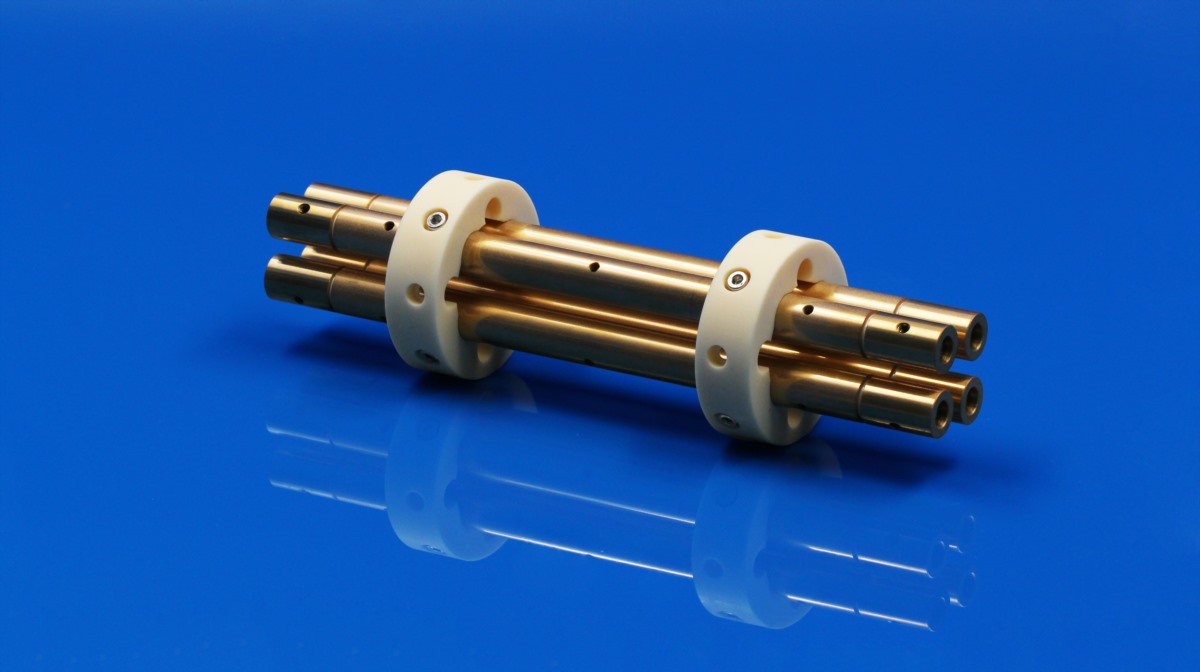
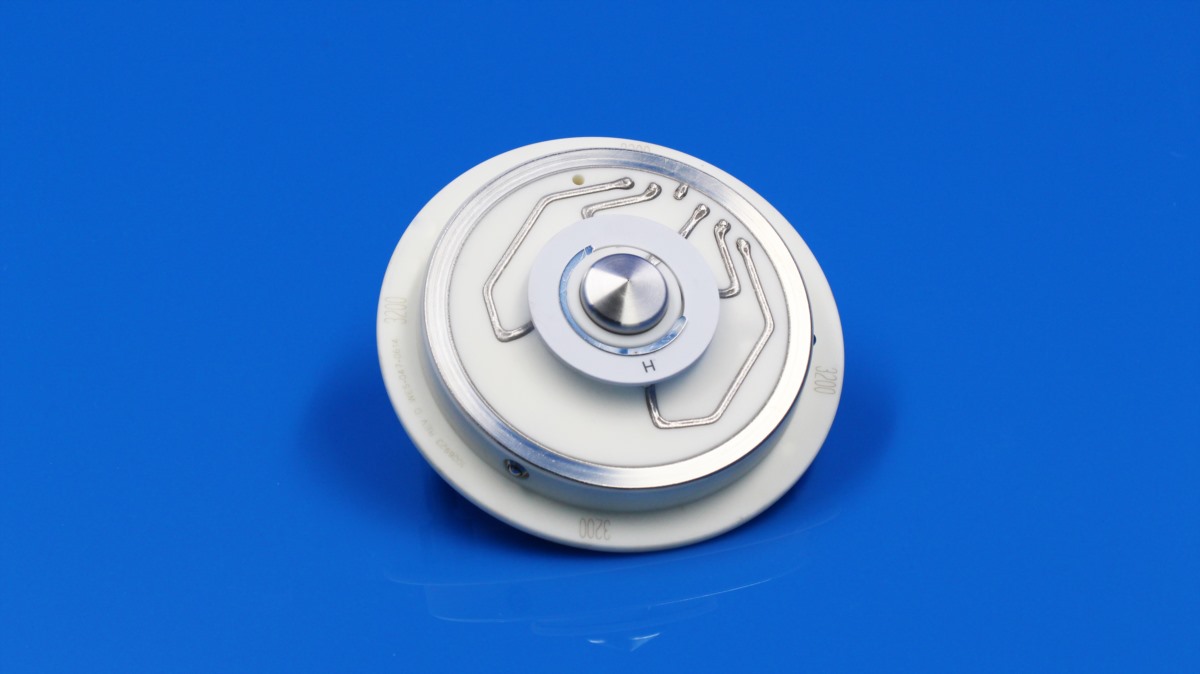
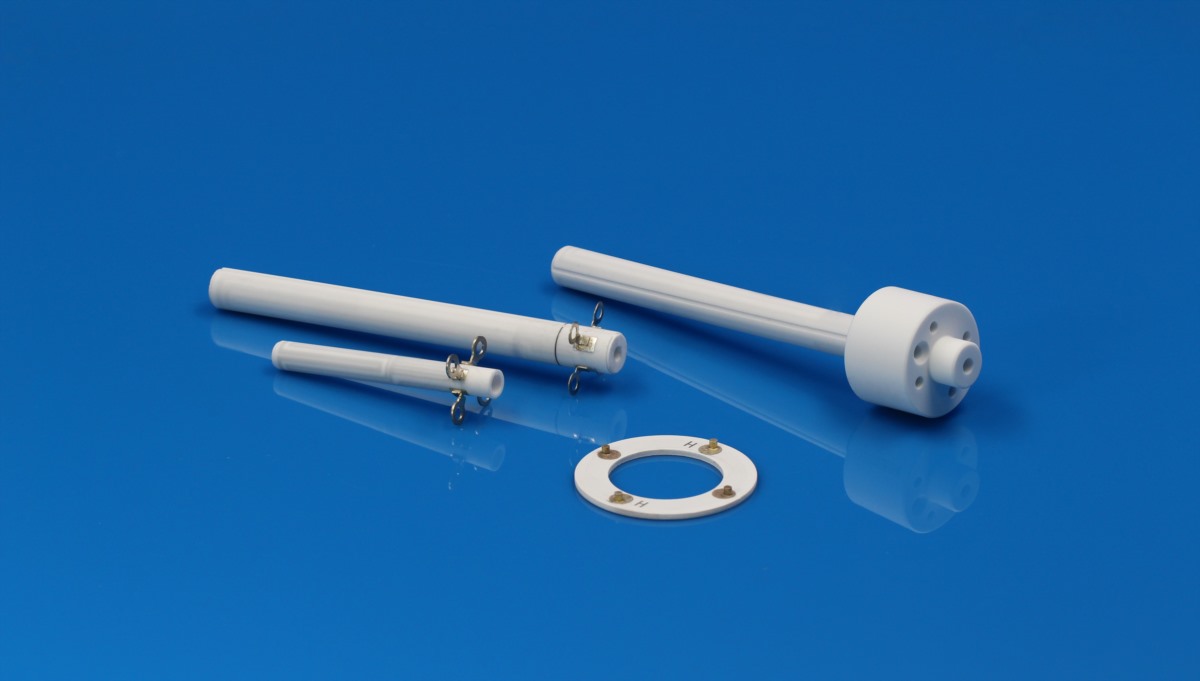
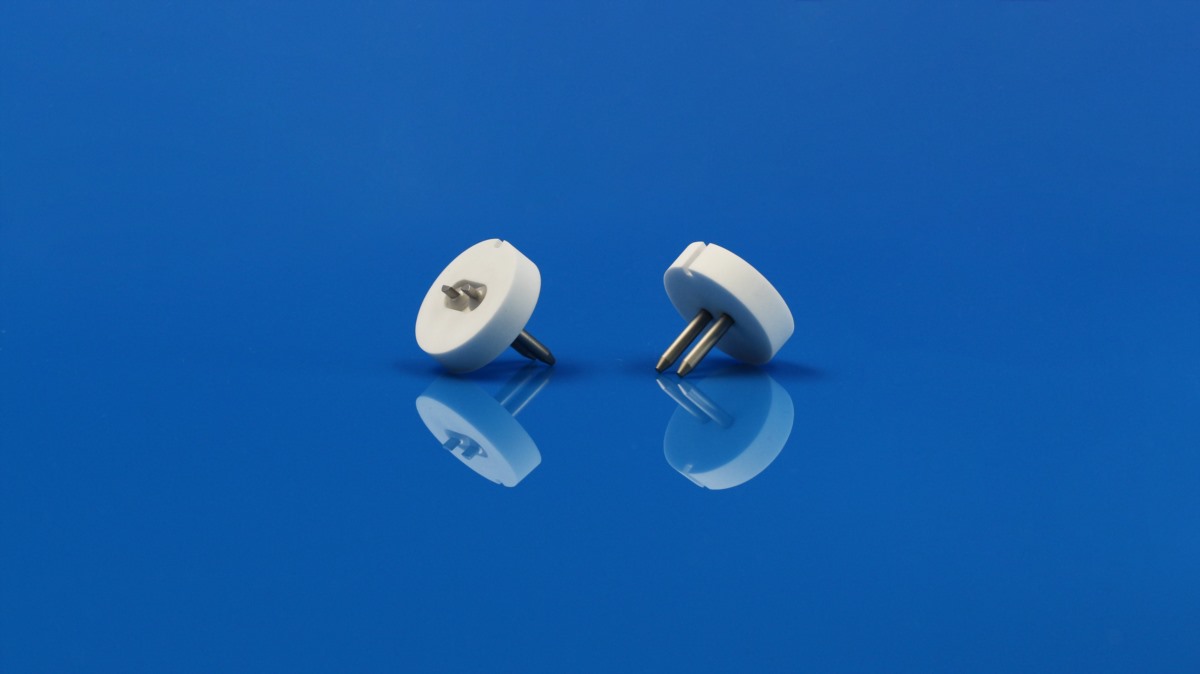
4 related products are tagged to this application field in the current catalog. Use them as starting points for standard review or custom manufacturing discussion.
Start with the conditions. We will help review the ceramic path.
Share your operating conditions, performance requirements, and design challenges. We' Il help identify the optimal ceramic solution.