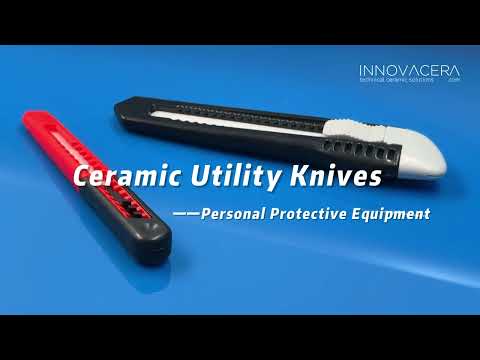
Key engineering questions covering ceramic blade materials, cutting media, edge design, mounting and quotation requirements.
Which ceramic materials are commonly used for cutting blades?
Stabilized zirconia is widely selected because it combines hardness, wear resistance and comparatively high fracture toughness. ZTA, alumina and silicon nitride may also be considered depending on edge geometry, impact risk, temperature, electrical behavior and the material being cut.
Why use a zirconia ceramic blade instead of a metal blade?
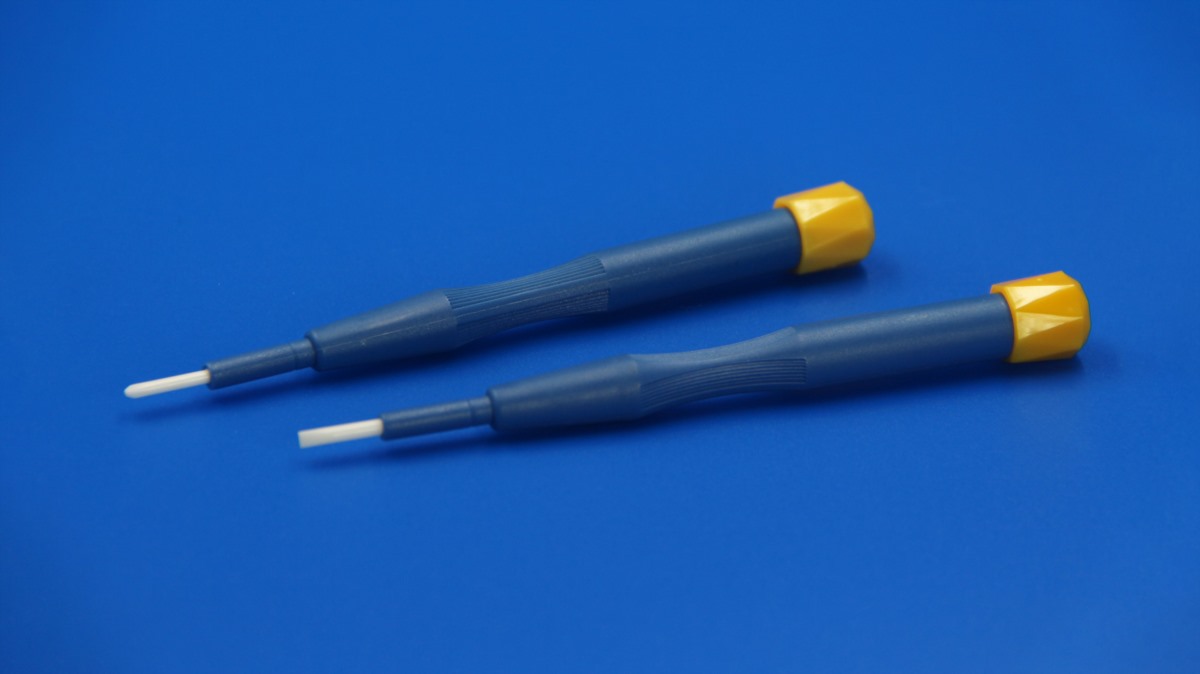
Zirconia blades resist corrosion and maintain a sharp edge for long production runs. They are electrically insulating, non-magnetic and suitable for processes where rust, metallic contamination, static behavior or frequent blade replacement may be concerns.
What materials can ceramic blades cut?
Typical applications include plastic film, foil, battery separator film, flexible electronic materials, labels, textile fibers, paper products, medical packaging and other thin or relatively soft media. Suitability depends on thickness, abrasiveness, feed speed and cutting method.
Can the edge geometry be customized?
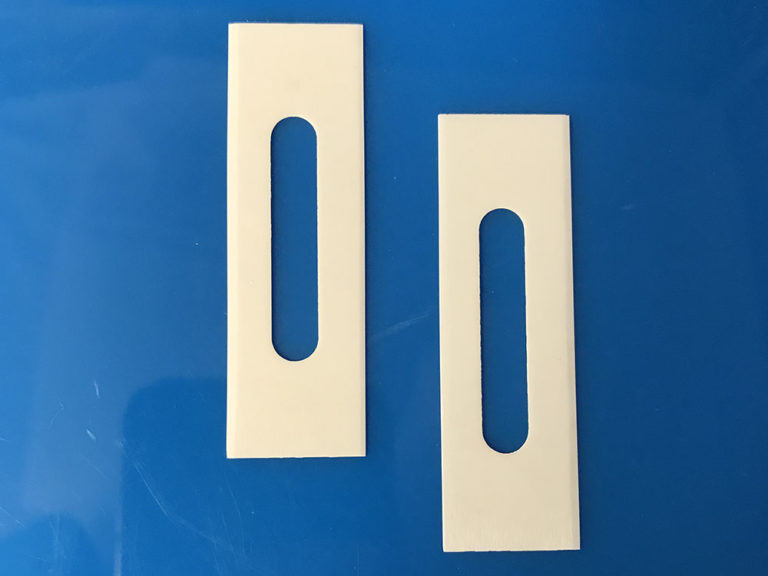
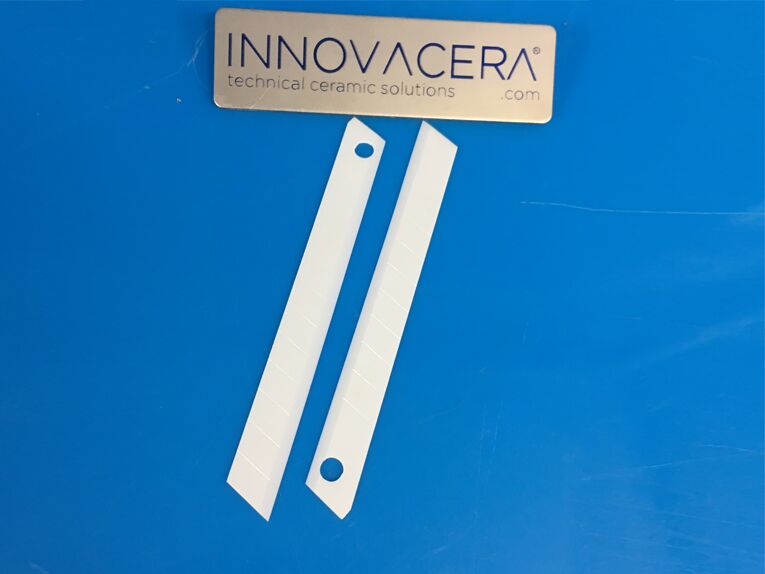
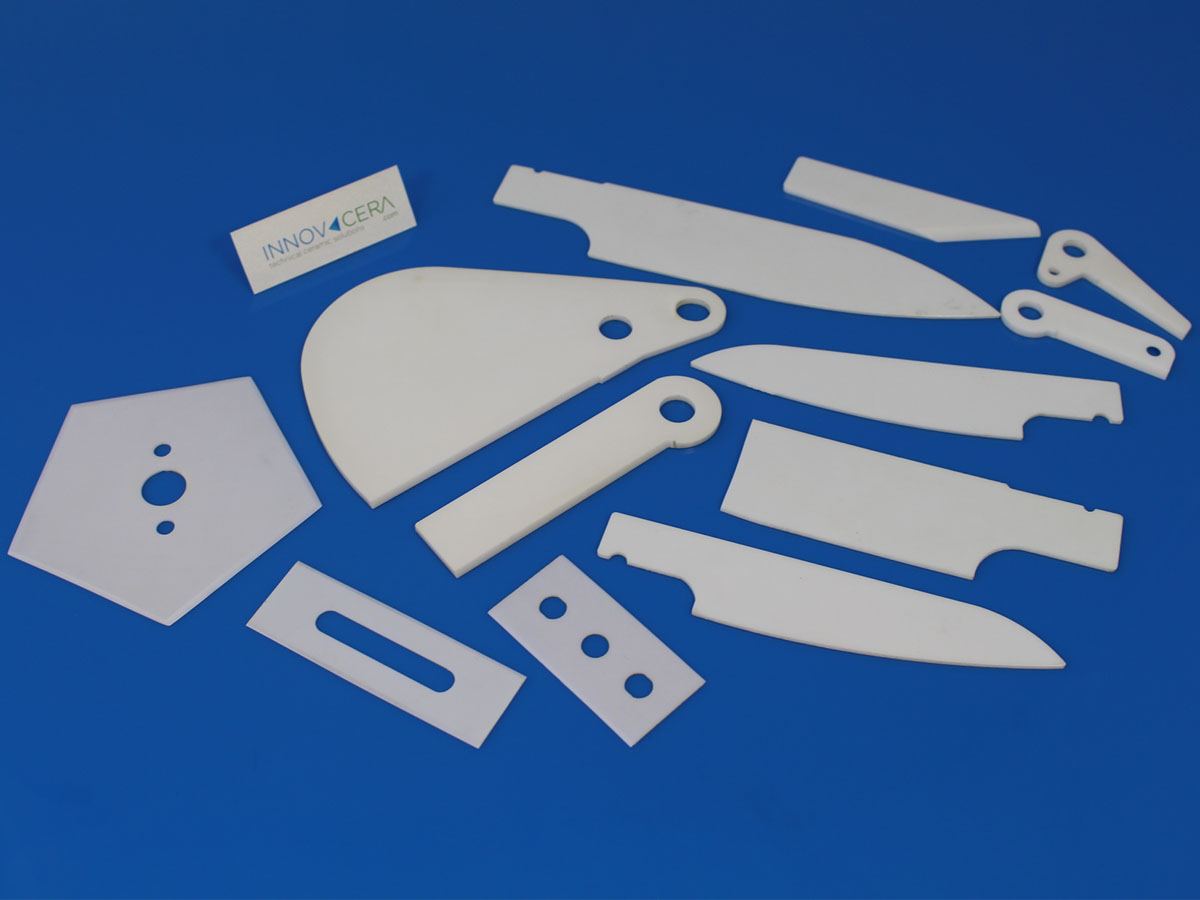
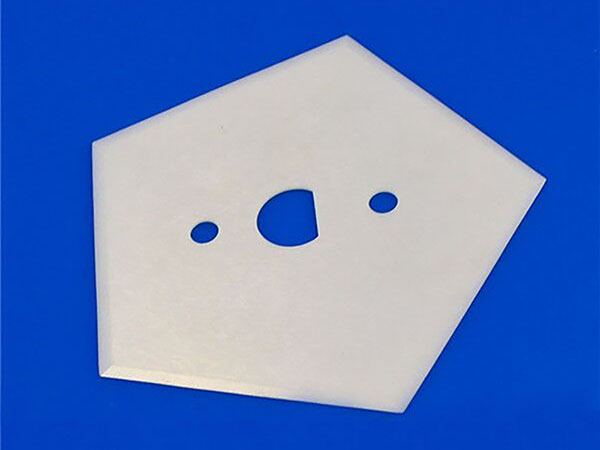
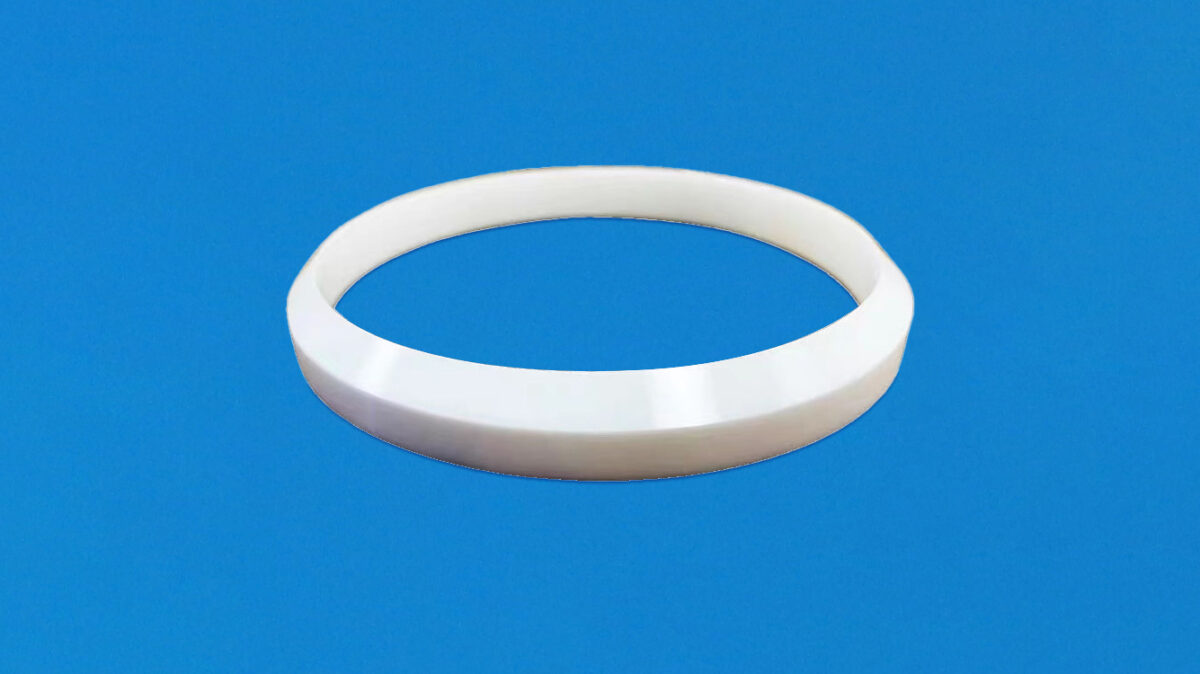
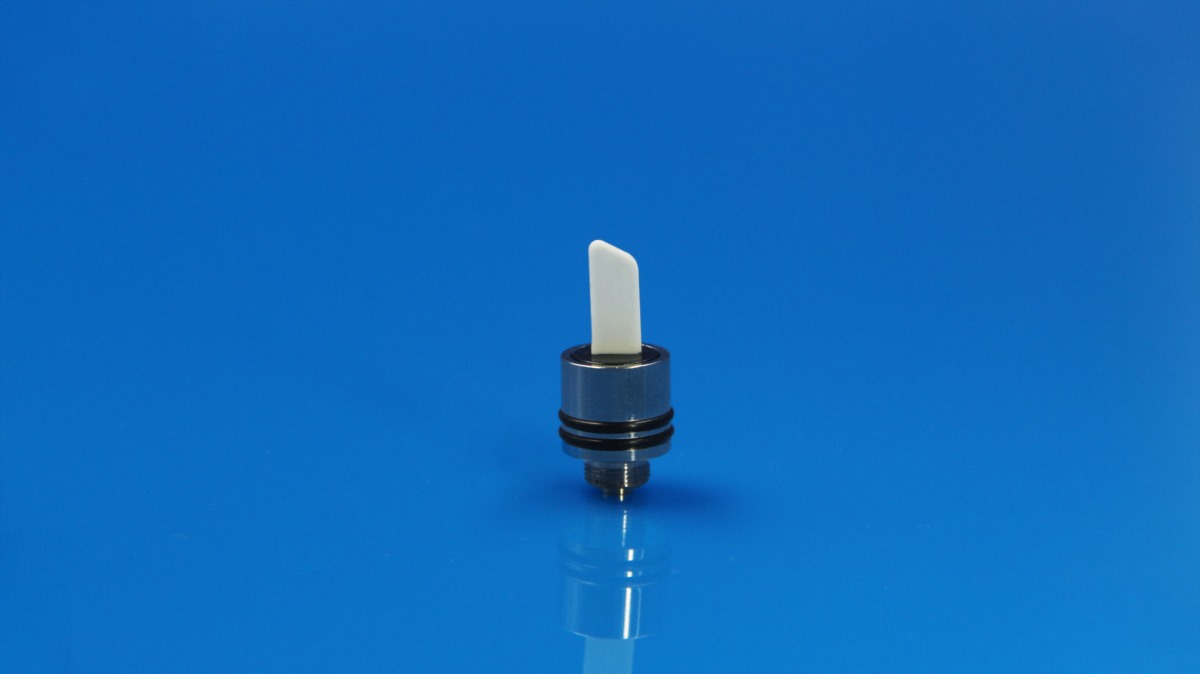
Yes. Straight, angled, pointed, slotted, single-bevel, double-bevel and application-specific profiles can be reviewed from a drawing or reference sample. The edge radius, included angle, surface finish and mounting geometry should be defined together.
How can ceramic blade chipping be reduced?
Avoid impact, lateral prying and concentrated clamping loads. The blade seat should support the component evenly, mounting clearances should match the drawing, and the cutting process should keep loads aligned with the intended edge direction.
Are ceramic blades suitable for clean or sensitive production?
Ceramic blades are rust-free, chemically stable and electrically insulating. These properties can be useful for electronics, battery, medical packaging and other controlled processes, but the final material grade, cleaning method and compliance requirements should be confirmed for each project.
Can Innovacera manufacture blades from a customer drawing?
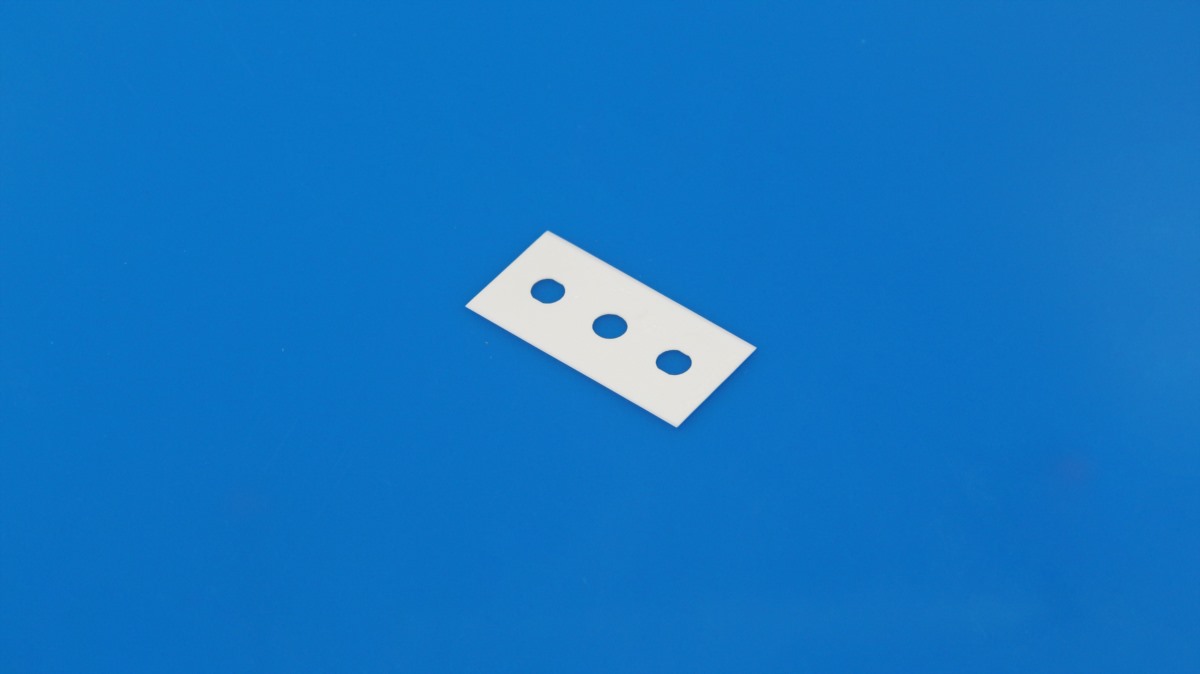
Yes. Custom blade blanks, slots, holes, mounting features, edge profiles and finished surfaces can be reviewed for prototype and repeat production. Manufacturability depends on blade thickness, aspect ratio, minimum radii, tolerances and inspection requirements.
What information is needed for a ceramic blade RFQ?
Provide the drawing or sample, ceramic material preference, cutting media and thickness, line speed, edge geometry, mounting method, expected service life, operating environment, quantity and critical inspection dimensions.