Related products 8 products in the current catalog
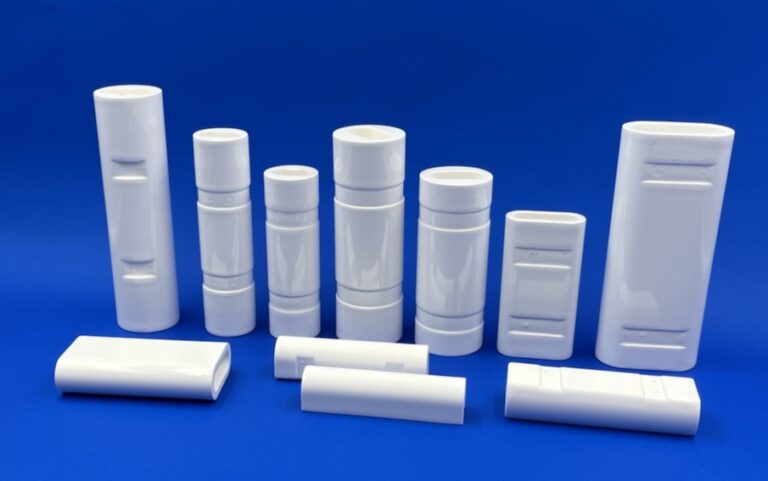
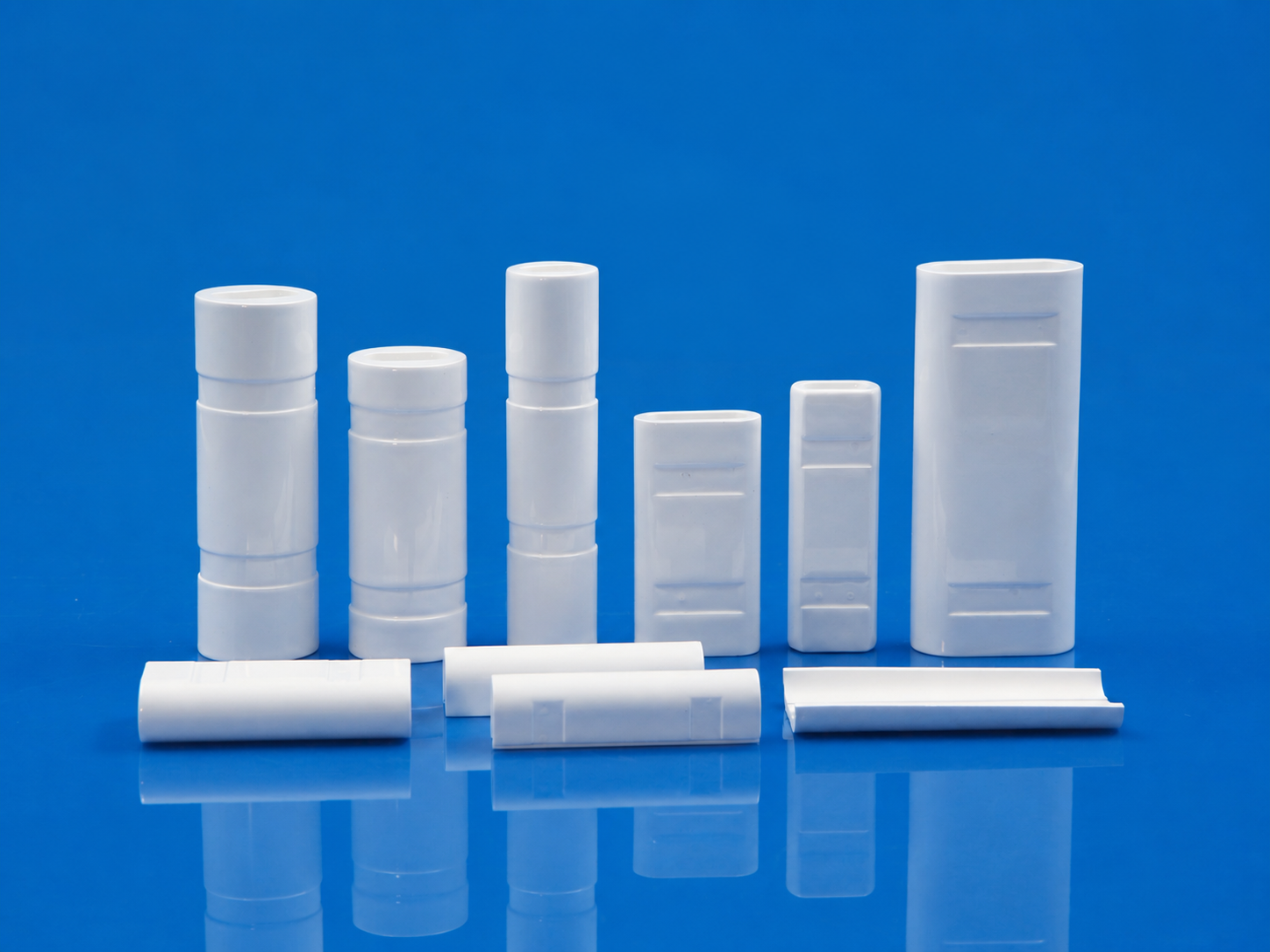
Common forms reflector blocks, cavities, lamp holders, machined optical parts
Current catalog

Related products

Back to product categories
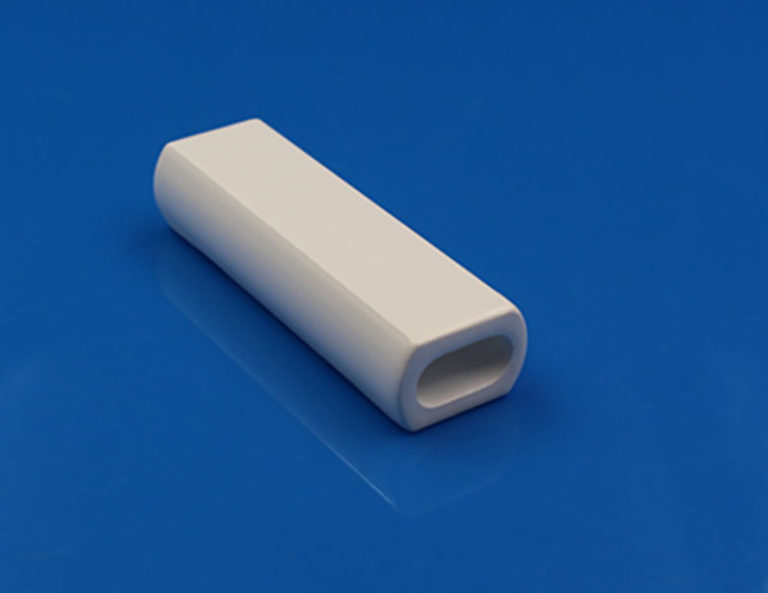
Ceramic Reflector

Ceramic Reflector

More Details
Innovacera Laser Ceramics Products

Innovacera Laser Ceramics Products

More Details
Ceramic Reflectors

Ceramic Reflectors

More Details
Ceramic Reflector vs Aluminum Reflector: Which Material Is Right for Your Application?

Ceramic Reflector vs Aluminum Reflector: Which Material Is Right for Your Application?

More Details
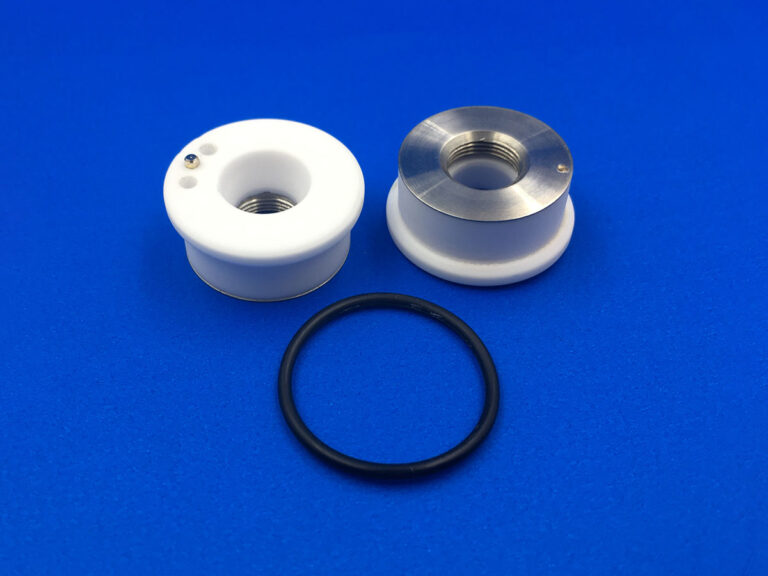
Ceramic Nozzle Holder For Fiber Laser Cutting Head

Ceramic Nozzle Holder For Fiber Laser Cutting Head

More Details
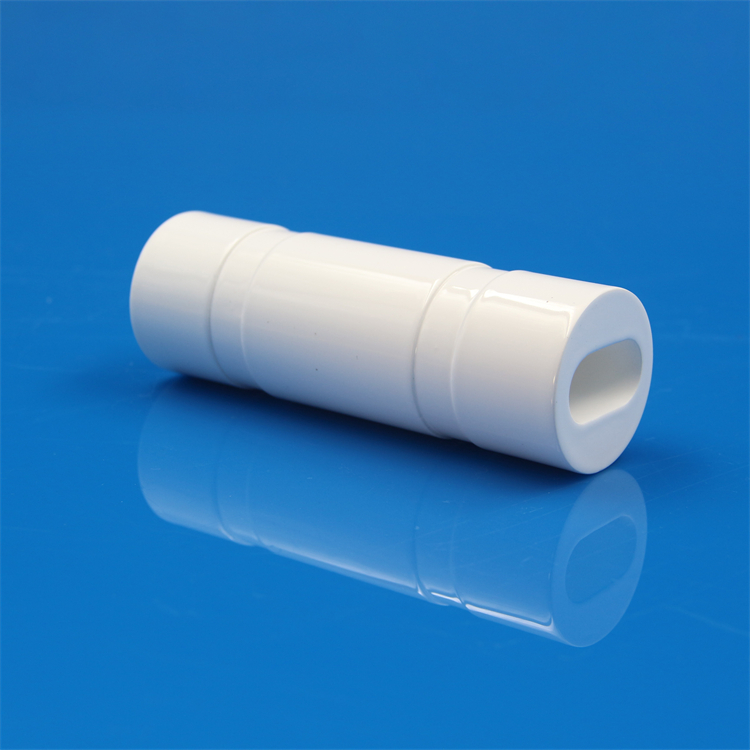
Cynosure Elite Plus Laser Head Cavity Ceramic Laser Cavity Ceramic Reflector

Cynosure Elite Plus Laser Head Cavity Ceramic Laser Cavity Ceramic Reflector

More Details
How to use ceramic cavity reflectors for Nd:YAG lasers?

How to use ceramic cavity reflectors for Nd:YAG lasers?

More Details
INNOVACERA® ceramic laser reflectors

INNOVACERA® ceramic laser reflectors

More Details
Application Scenarios

Ceramic Reflectors for Laser, Lamp and Optical Energy Systems

High-purity porous alumina reflectors combine controlled porosity, thermal stability and machinable reflector geometry for systems that must direct optical energy around flash lamps, laser rods, infrared emitters and precision light sources.

01

Solid-State Laser Pumping Chambers

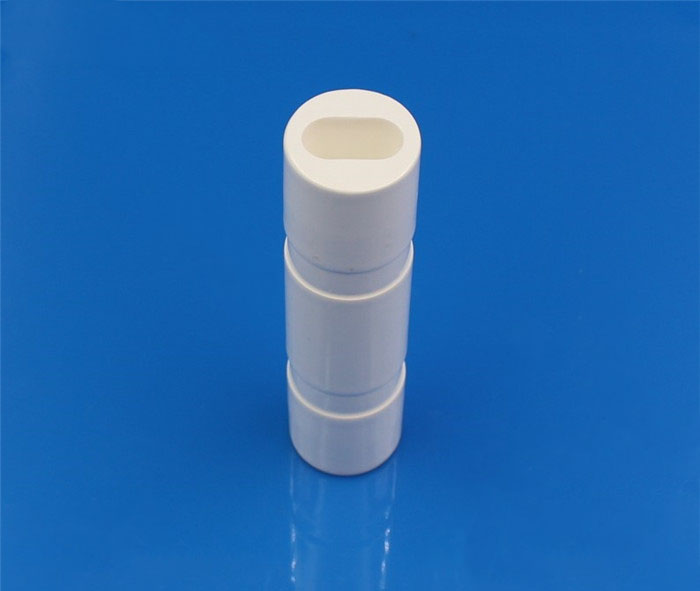
Porous alumina cavity reflectors are used around flash lamps and laser rods in Nd:YAG, ruby, alexandrite and other solid-state laser architectures. The white ceramic body supports diffuse internal reflection while maintaining dimensional stability during repeated thermal cycling.

View Ceramic Reflectors

Cavity reflector for lamp-pumped solid-state lasers

02

Medical & Aesthetic Laser Equipment

Custom ceramic reflectors can be engineered for laser modules used in dermatology, cosmetic treatment and medical light-source equipment. Glazed surfaces may be specified where reduced contamination, easier cleaning and improved cavity sealing are important to long-term system operation.

Custom reflector bodies for medical laser modules

03

Infrared Heating & High-Temperature Lamps

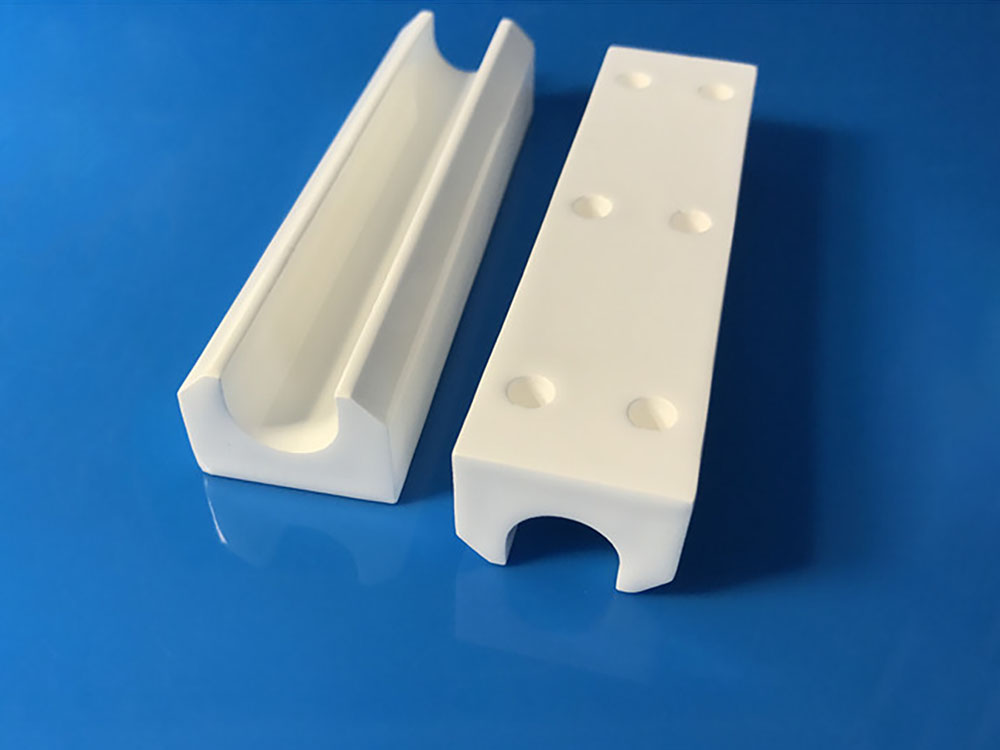
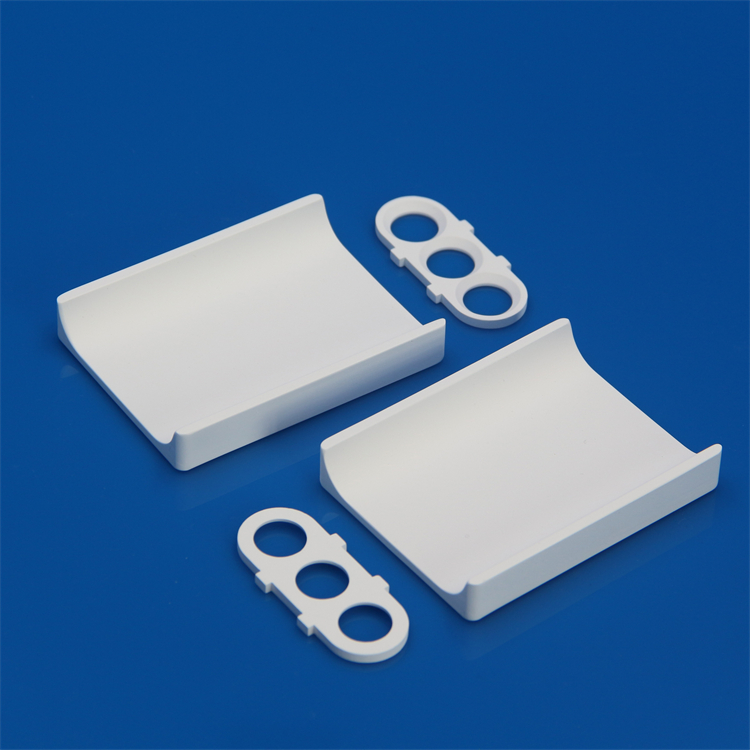
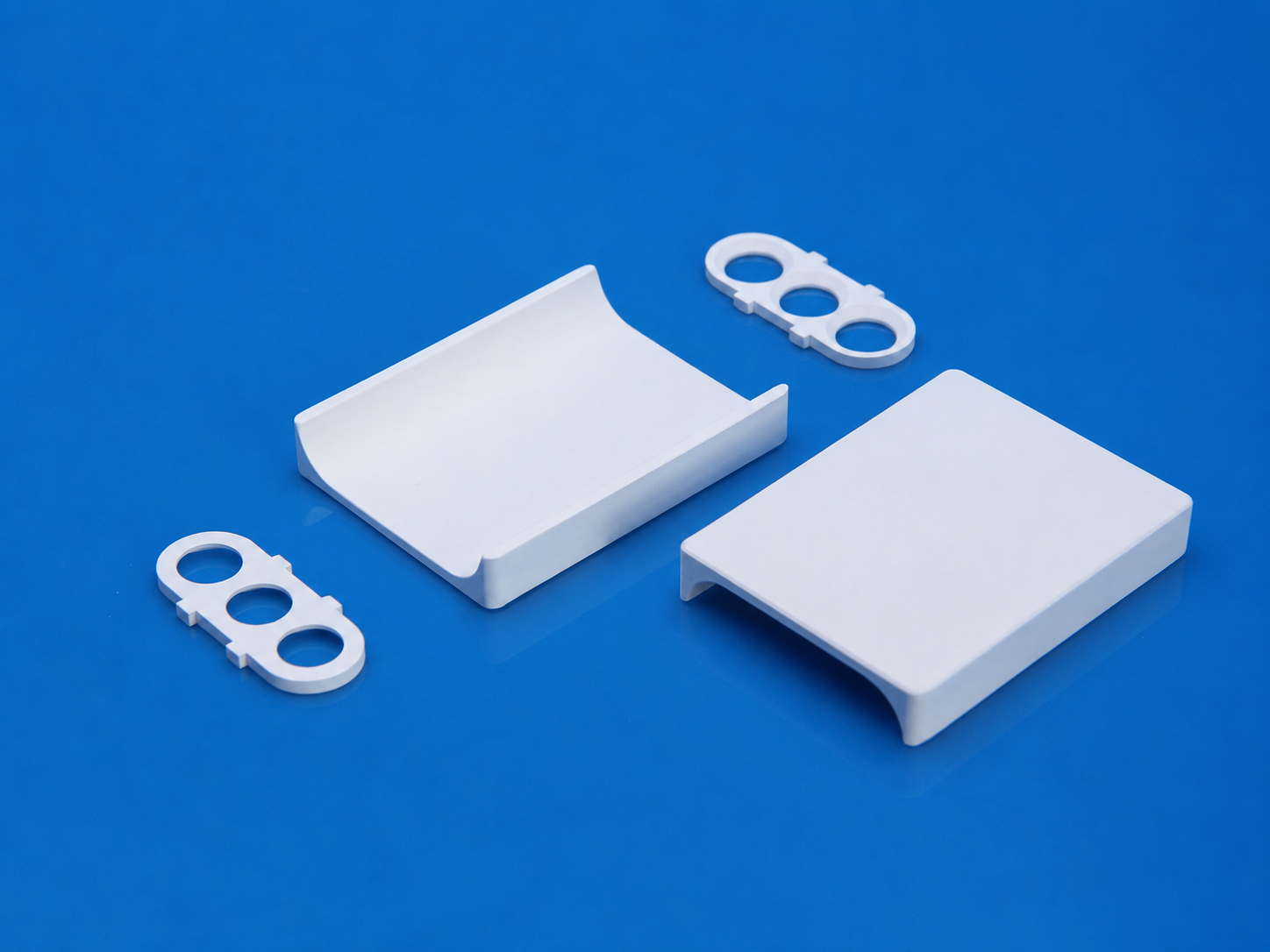
U-shaped and channel reflectors can support infrared emitters, specialty lamps and radiant-heating assemblies where heat resistance and stable reflector geometry are required. Ceramic construction avoids oxidation associated with many metal reflector bodies and can be tailored around the lamp profile.

U-shaped reflector geometry for lamps and emitters

04

Custom Optical Cavities & Photonic Assemblies

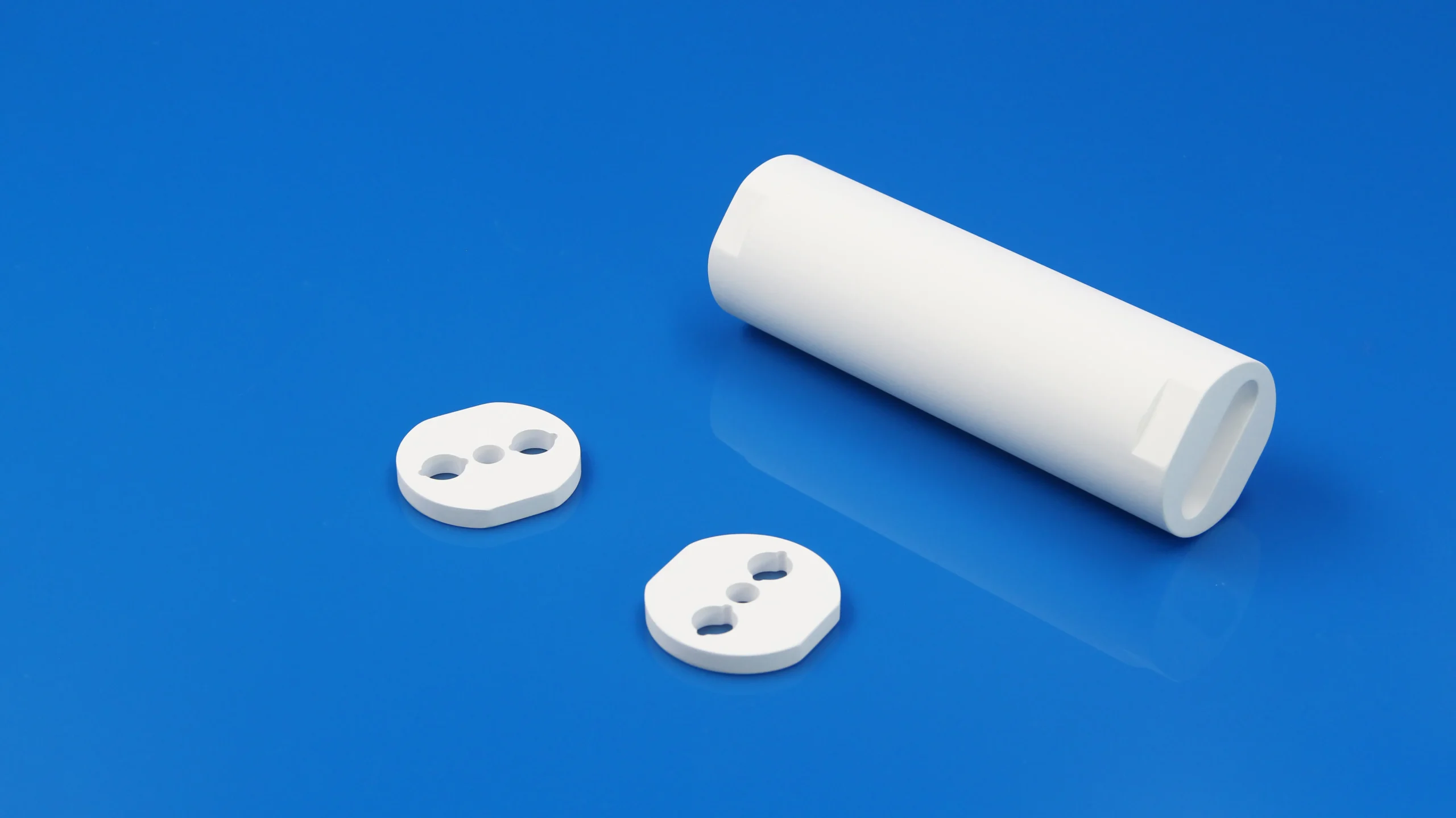
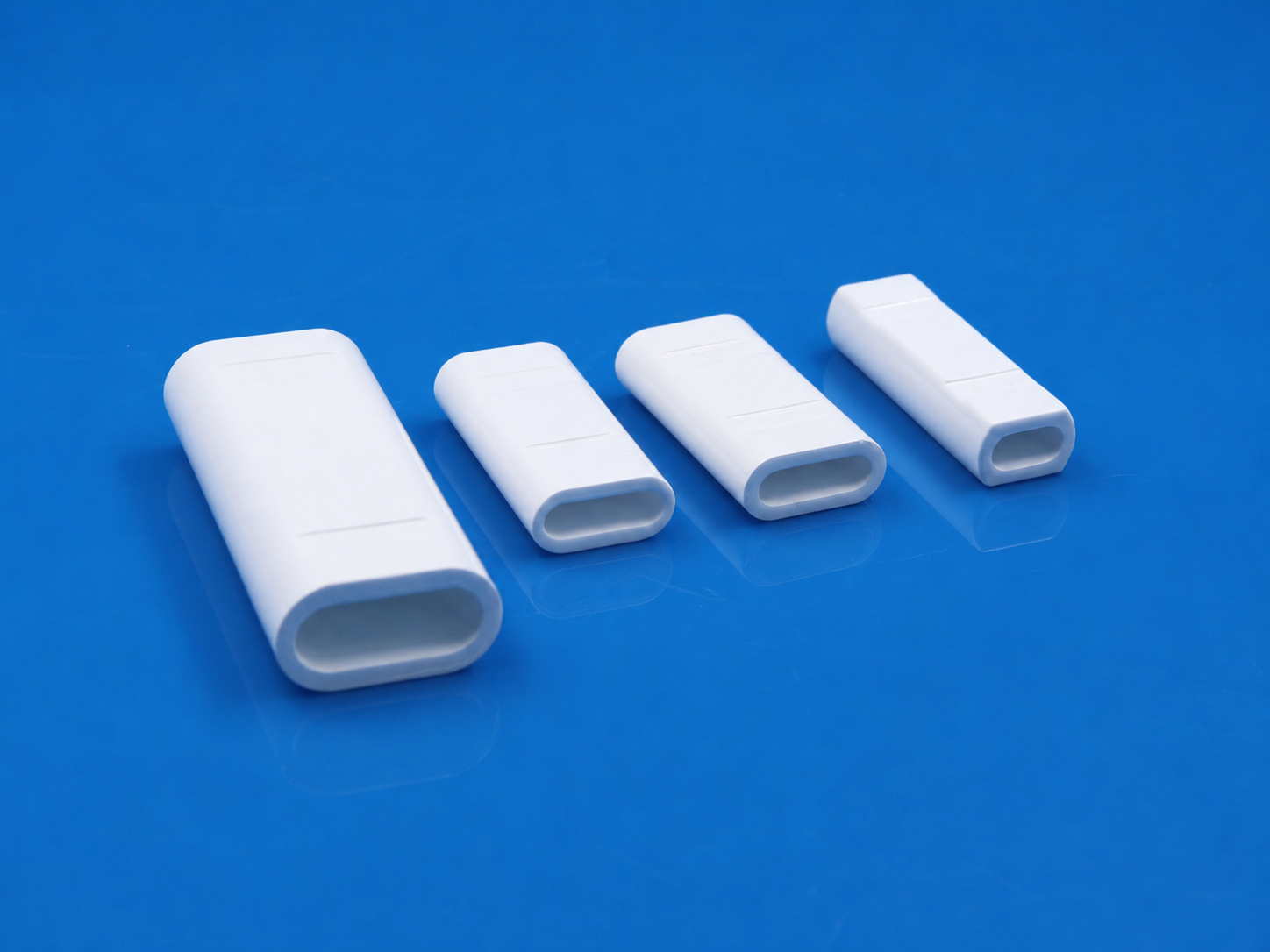
Reflector blocks, cylindrical cavities, open channels and complex machined forms can be produced from customer drawings. Bore geometry, lamp and rod position, glazing zones, mounting features, tolerances and surface condition are reviewed together for optical and photonic OEM assemblies.

Custom machined ceramic reflector block for optical assembly

Custom cavity and mounting features from drawings

FAQ

Frequently Asked Questions About Ceramic Reflectors

Engineering guidance on porous alumina, glazing, reflector geometry, thermal conditions, machining and the information needed for quotation.

What material is normally used for ceramic laser reflectors?

High-purity porous alumina is commonly selected because its white, controlled-porosity structure supports diffuse internal reflection while providing heat resistance, electrical insulation and dimensional stability. Innovacera's standard reflector material is based on approximately 99% Al₂O₃.

Why is controlled porosity important?

A controlled pore structure creates multiple internal scattering paths within the white ceramic body. This supports bulk diffuse reflection rather than relying only on a polished surface. Porosity also affects strength, permeability, contamination behavior and the choice of glazed or unglazed finish.

Should a ceramic reflector be glazed or unglazed?

Glazing can seal exposed pores, reduce adhesion of contaminants, improve cleanability and support leak-tight cavity requirements. Unglazed reflectors may be preferred when the optical design relies directly on the porous surface. The correct option depends on wavelength, lamp configuration, cooling, cleanliness and service conditions.

Which laser systems use ceramic cavity reflectors?

Ceramic reflectors are commonly used in flash-lamp-pumped and continuous-wave solid-state laser modules, including Nd:YAG, ruby and alexandrite systems. They may also be adapted for diode-pumped architectures, medical lasers, cosmetic treatment equipment and laboratory laser sources.

Can reflector geometry be customized from a drawing?

Yes. Cylindrical bores, elliptical or rectangular cavities, open channels, split reflector bodies, lamp slots, cooling passages, mounting holes and external reference surfaces can be reviewed. Final manufacturability depends on wall thickness, transitions, tolerances, material condition and machining access.

How do ceramic reflectors compare with metal reflectors?

Porous alumina offers diffuse bulk reflection, electrical insulation and resistance to oxidation and chemical attack. Metal reflectors may provide different spectral and specular behavior and can be easier to form in thin sections. Selection should be based on wavelength, optical efficiency, temperature, cooling and lifetime requirements.

How should a ceramic reflector be cleaned and handled?

Avoid impact, point loading and abrasive contact with the cavity surface. Cleaning methods should be compatible with the glaze or porous ceramic and the optical cleanliness requirement. Oils, dust and polishing residues should not be introduced into unglazed pores unless a validated cleaning process is available.

What information is required for a ceramic reflector RFQ?

Provide a drawing or sample, cavity geometry, lamp and laser-rod dimensions, wavelength or laser type, glazed or unglazed zones, operating temperature, cooling method, tolerance and surface requirements, mounting interfaces, quantity and any optical or leak-test criteria.


Why Innovacera

Engineering Support for Porous Alumina Reflector Cavities

Innovacera supports reflector development from cavity geometry and material review through ceramic forming, high-temperature sintering, precision machining, glazing and dimensional inspection for prototype and repeat-production programs.

Reflector Geometry Review

Lamp, laser rod, bore, slot, wall thickness, mounting and cooling interfaces reviewed around the complete optical assembly.

Controlled Porous Alumina

High-purity white alumina processed with controlled porosity for stable diffuse reflector performance and thermal resistance.

Machining & Glazing Options

Precision-ground features, custom cavity profiles and selective glaze coverage can be defined from drawings and service needs.

Prototype to Serial Supply

Engineering samples, dimensional verification and repeat manufacturing support for OEM replacement and new-system development.

Project RFQ

Share Your Reflector Drawing and Laser or Lamp Configuration

Send the reflector geometry and optical-system conditions so the engineering team can review the porous alumina material, glazing, machining tolerances, mounting details and production route.

Submit Ceramic Reflector RFQ

Recommended project information

  • Drawing & Cavity Geometry Overall dimensions, bore or channel profile, wall thickness, slots, holes, split lines and datum surfaces.
  • Laser or Lamp Type Nd:YAG, ruby, alexandrite, flash lamp, continuous-wave source, infrared emitter or other optical configuration.
  • Optical Arrangement Lamp diameter, laser-rod dimensions, spacing, focal geometry, wavelength range and required reflecting zones.
  • Surface Condition Glazed, unglazed or selectively glazed areas together with cleanliness, color and sealing requirements.
  • Thermal Conditions Operating temperature, pulse or duty cycle, cooling method, thermal shock and expected service life.
  • Tolerances & Finish Bore size, concentricity, flatness, profile tolerance, machined references and surface-finish requirements.
  • Assembly Interfaces Mounting method, contact surfaces, seals, coolant passages, housings and allowable assembly stress.
  • Quantity & Validation Prototype quantity, annual demand, optical testing, leak testing, dimensional report and packaging expectations.

Review this product family for your project.

Send drawings, operating conditions, material preference, tolerance targets and quantity. Innovacera can review standard catalog products or custom ceramic manufacturing paths.