

Precision Positioning Ceramic Solutions
Dimensionally stable ceramic shafts, stages, guides and support components for accurate motion and repeatable positioning.
Engineering Precision Positioning
Low-deformation, high-stiffness, wear-resistant and dimensionally stable precision ceramic positioning parts for semiconductor equipment, optical systems, automation stages and inspection instruments.
Thermal deformation, wear, vibration, particles and assembly error
Al2O3, ZrO2, Si3N4 and sapphire
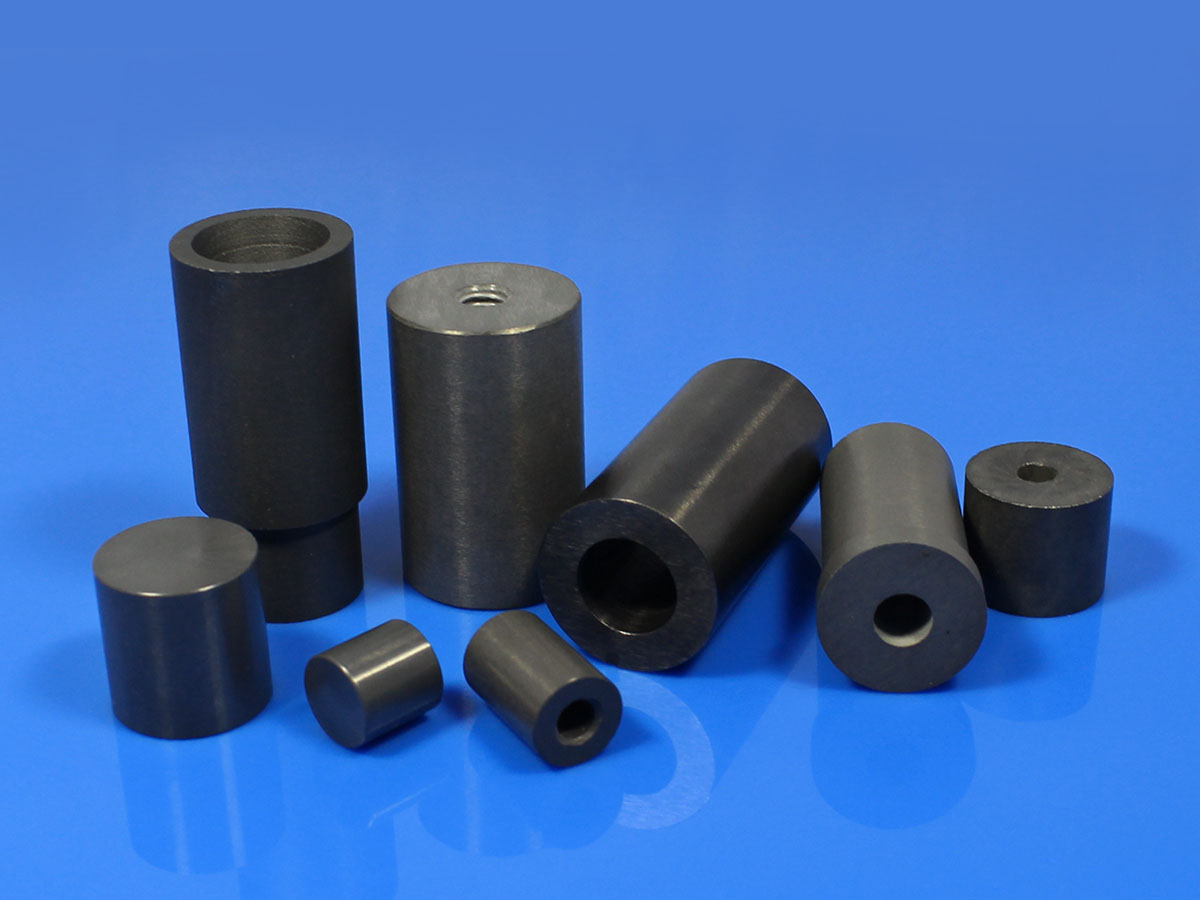
Shafts, pins, guides, supports, alignment parts and insulating positioners
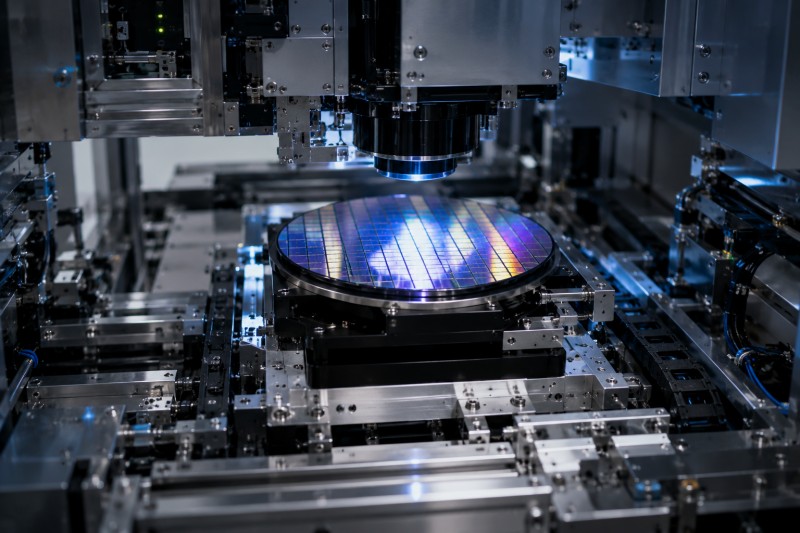
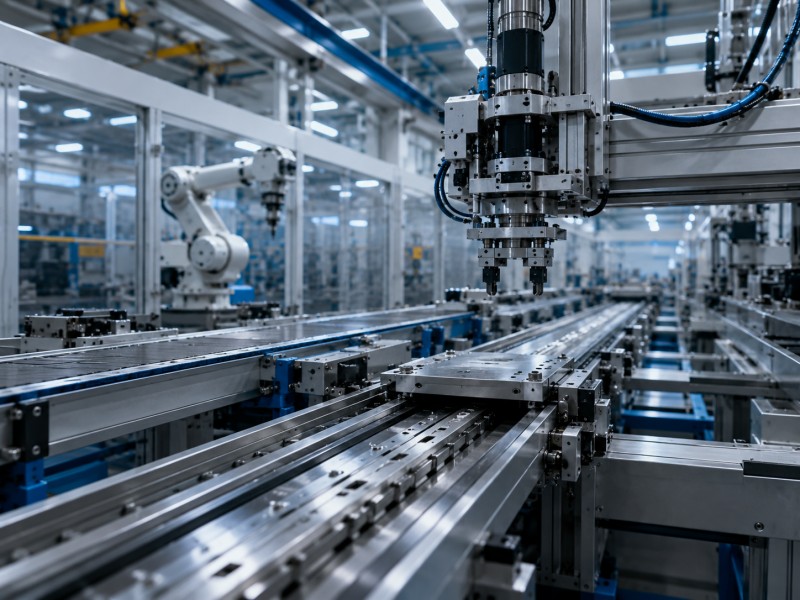
Semiconductor, optics, automation and inspection equipment
Accuracy Target
Define positioning accuracy, repeatability, flatness, coaxiality and surface requirements.
Load & Motion Review
Evaluate load, speed, friction mode, vibration and mounting constraints.
Material & Finish
Balance stiffness, toughness, low wear and machinability.
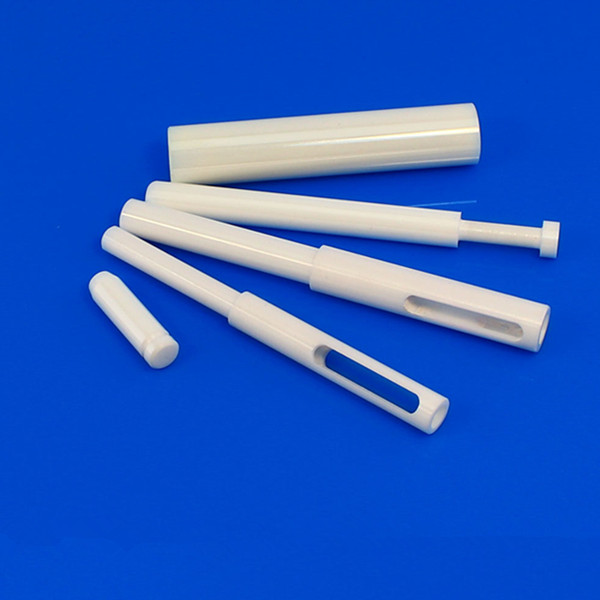
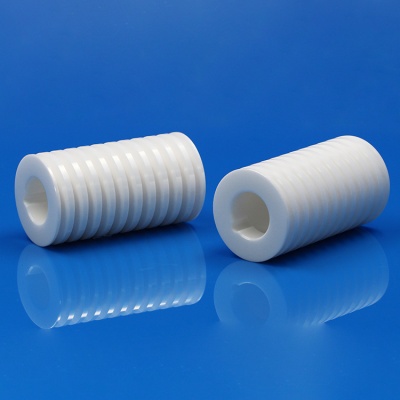
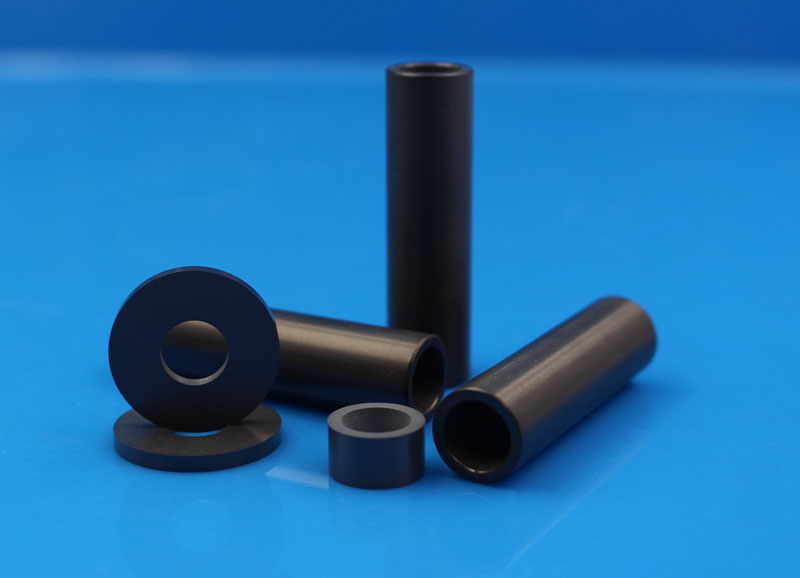
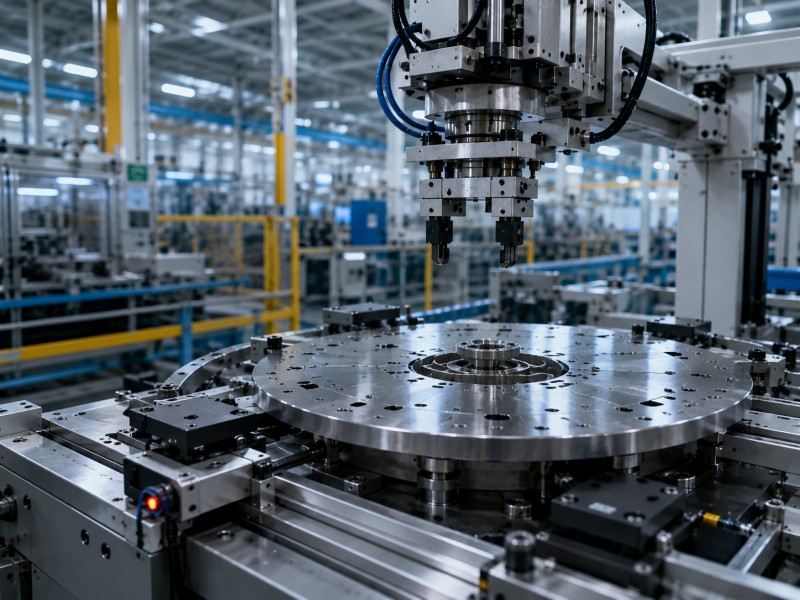
Product & Application Gallery
Material Selection Guide
| Material | Why It Is Used |
|---|---|
| Alumina | High stiffness and stable insulation for supports, positioning and insulating structures. |
| Zirconia | High toughness and excellent surface finish for shafts, pins and precision motion parts. |
| Silicon Nitride | Strong, lightweight and wear resistant for high-speed and high-reliability motion. |
| Sapphire | Hard and optically transparent for special inspection and optical positioning parts. |
Component Solutions
Ceramic locating and guide pins
Precision-ground ceramic pins provide repeatable locating, smooth guidance and wear resistance in automated equipment, fixtures and assembly systems.
Ceramic shafts and sleeves
Ceramic shafts and sleeves provide dimensional stability, low wear and electrical insulation for motion, guidance and precision alignment systems.
Precision ceramic support blocks
Rigid ceramic support blocks provide stable reference surfaces, accurate positioning and reliable support under mechanical and thermal loads.
Optical alignment ceramic parts
Precision-machined ceramic parts support stable optical alignment through accurate locating features, high stiffness and consistent geometry.
Semiconductor equipment positioning parts
Custom ceramic positioning components help maintain repeatable alignment of wafers, stages, tooling and inspection assemblies in semiconductor equipment.
Insulating positioning structures
Ceramic positioning structures combine mechanical support, accurate alignment and electrical isolation for high-voltage and sensitive assemblies.
Challenges & Ceramic Solution Selection
A problem-oriented guide for selecting ceramic materials and component structures according to the operating conditions, reliability targets and application requirements.
| Customer Challenge | Recommended Ceramic Solution |
|---|---|
| Positioning drift | Use low-deformation, high-stiffness ceramic structures with optimized mounting. |
| Wear causes guiding error | Use precision zirconia or silicon nitride guide components. |
| Particle risk in clean environment | Use low-wear, highly polished ceramic contact surfaces. |
| Insulating positioning required | Select alumina, AlN or other insulating ceramic structures. |
Frequently Asked Questions
Why are ceramics used in precision positioning?
Ceramics offer stiffness, wear resistance, dimensional stability, insulation and low contamination.
Can micron-level precision be achieved?
Depending on material, size and geometry, grinding, polishing and precision machining can achieve tight tolerances.
How to choose zirconia or silicon nitride?
Zirconia is tough; silicon nitride is suitable for lightweight, high-speed and high-strength applications.
What drawing information is needed?
Dimensions, tolerances, surface finish, assembly method, load, motion and environment.
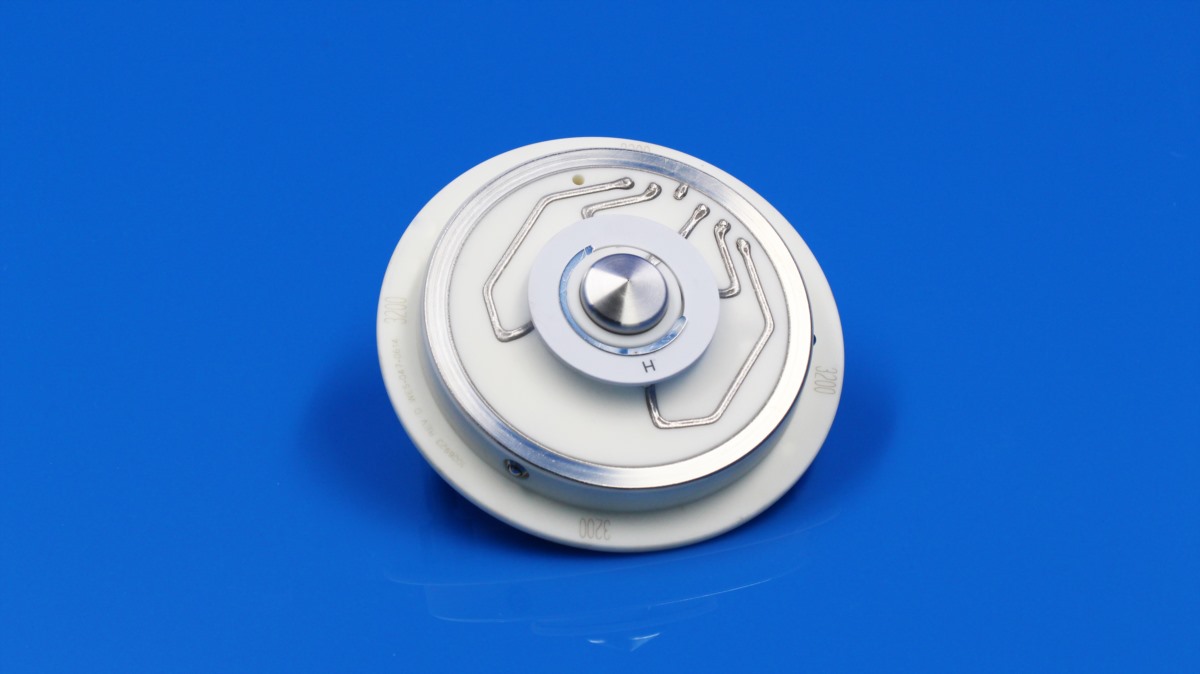
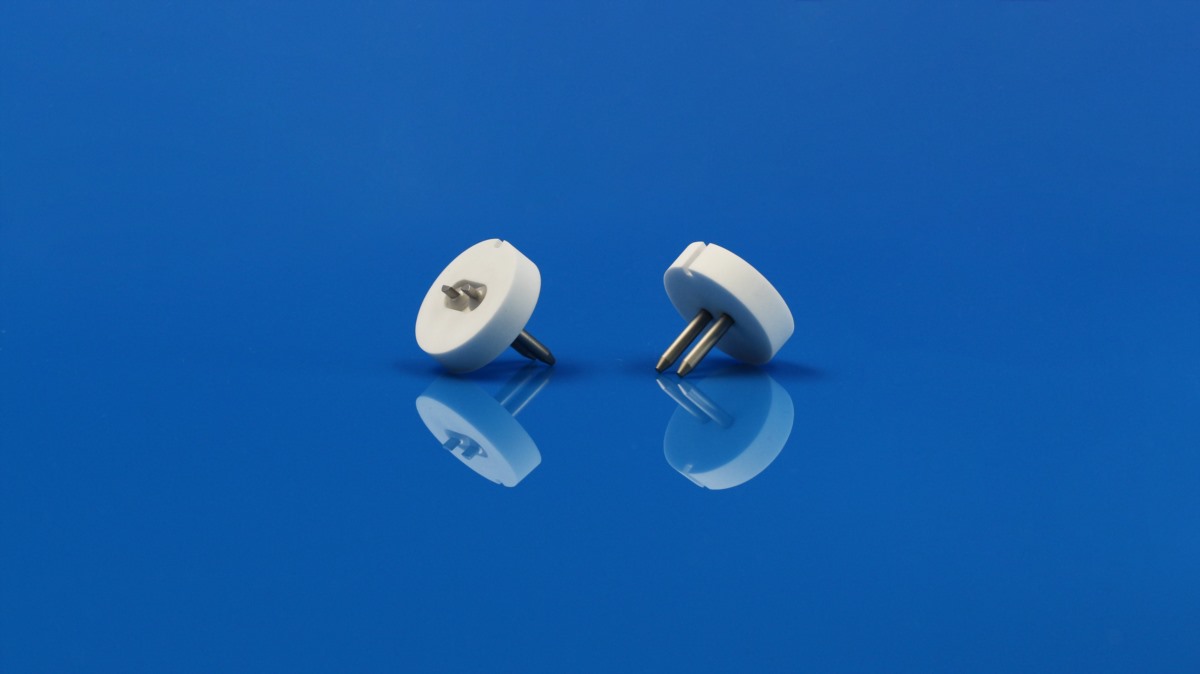
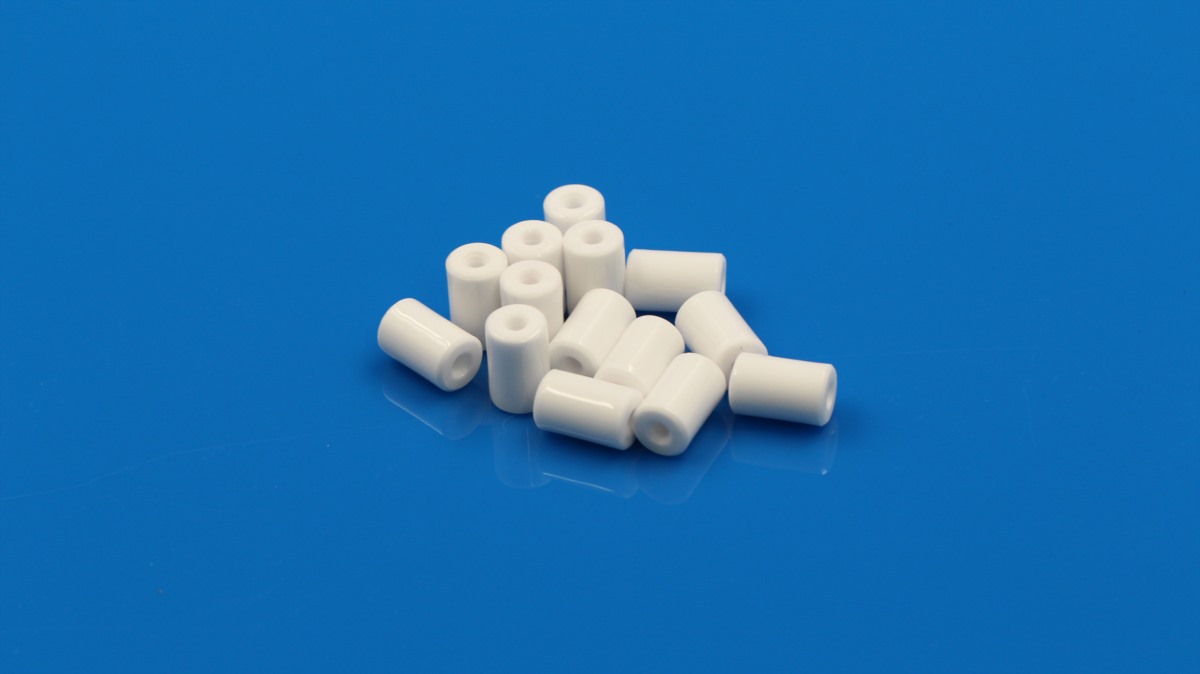
Related ceramic products.
related products are matched to this engineering solution in the current catalog.
Start Your Engineering Review.
Provide your project details, development stage, operating conditions, expected annual volume and drawings (if available). Our engineers will review feasibility, recommend suitable materials and support the most efficient path from prototype to production.