

Electrical & Electronics
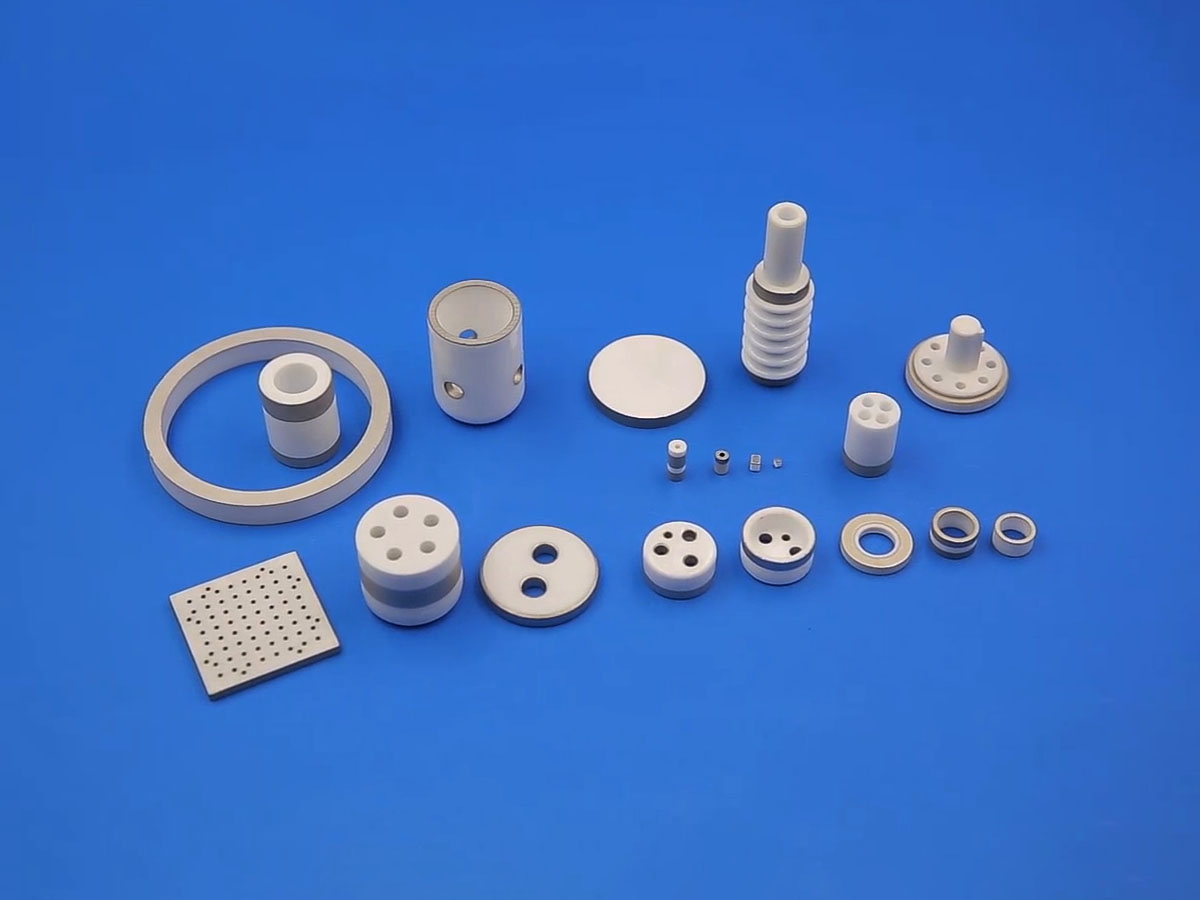
Ceramic substrates, insulators and packages for electrical assemblies where dielectric reliability, heat flow and dimensional stability are critical.
Engineering requirements behind Electrical & Electronics ceramic components
Electrical and electronic assemblies are becoming smaller, hotter and more power dense. Ceramic components help combine electrical insulation, thermal management, low loss and stable geometry in packages, substrates, sensors and high-voltage hardware.
- Operating conditions
- Component requirements
- Material selection
- Manufacturing support
Where Ceramic Components Are Used in Electrical & Electronics Equipment
Use this section to match your equipment type with typical ceramic parts and the key requirements we should review before quoting.
Application review
Material direction
Manufacturing path
Engineering Review Notes for Electrical and Electronic Ceramic Parts
Electrical ceramic parts are rarely selected by material name alone. The correct route depends on voltage, heat flow, package layout, metallization, bonding method and the mechanical stack-up around the part.
Information to share before material review
- Drawing or layout showing thickness, flatness, mounting points, metallized areas and critical electrical clearances.
- Voltage, dielectric strength target, thermal load, operating temperature and thermal cycling conditions.
- Bonding or assembly method, including soldering, brazing, metallization, plating, adhesive or mechanical clamping.
- Surface finish, edge quality, hole tolerance, package fit and inspection requirements.
- Prototype quantity, repeat production plan and any qualification or reliability test requirements.
How we use this information
- Check whether alumina, aluminum nitride, metallized ceramic or another ceramic system is the practical starting point.
- Review manufacturability of thickness, holes, slots, metallized patterns and post-fired machining features.
- Identify surfaces where flatness, edge condition or metallization quality affects thermal or electrical performance.
- Separate standard substrate opportunities from custom ceramic packages or precision machined components.
What Innovacera can support
Innovacera supports material selection, ceramic substrate review, metallization, machining and prototype-to-production planning for electrical and electronic ceramic components.
Related ceramic products.
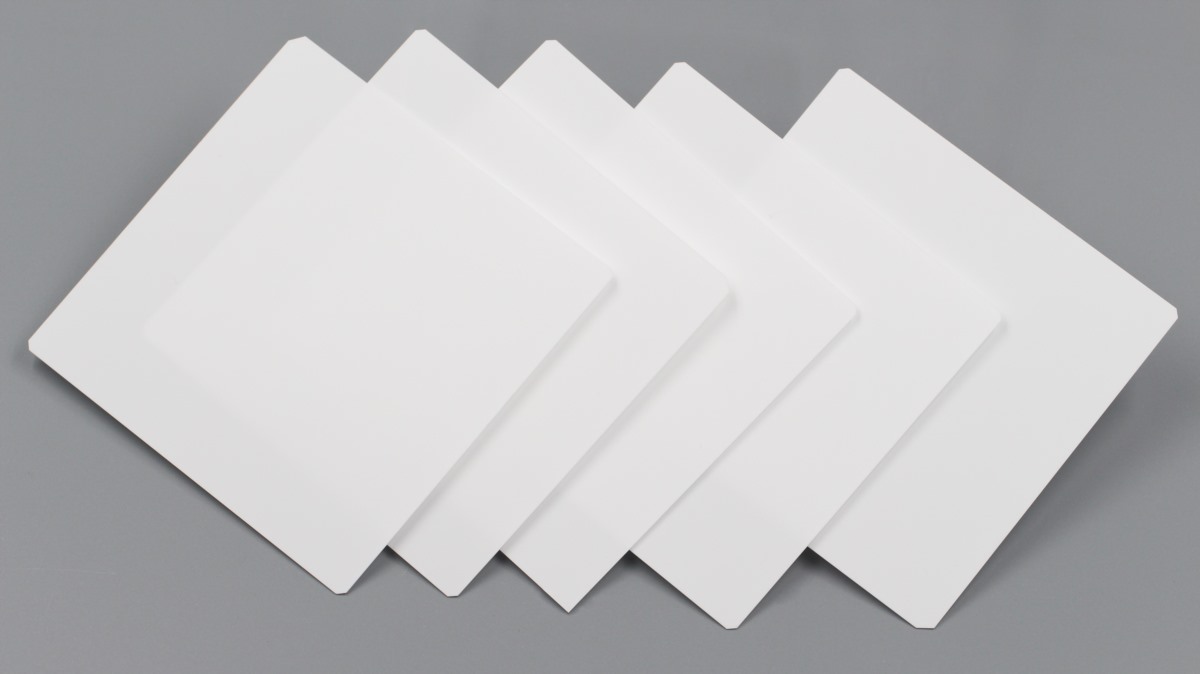
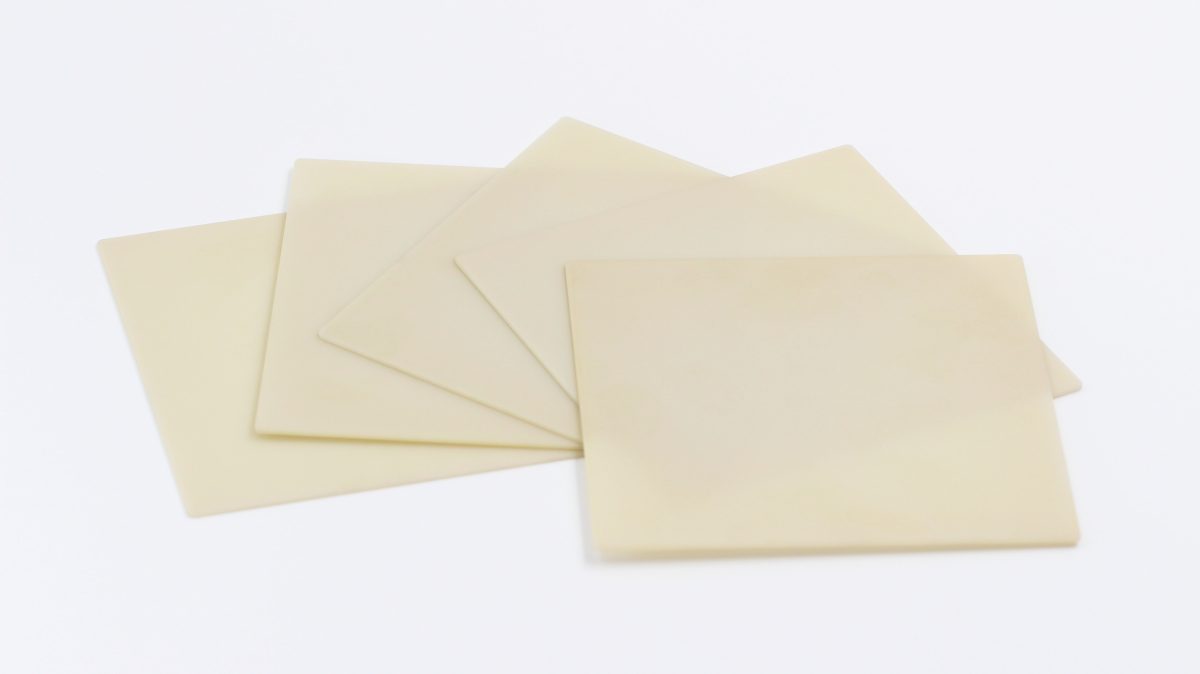
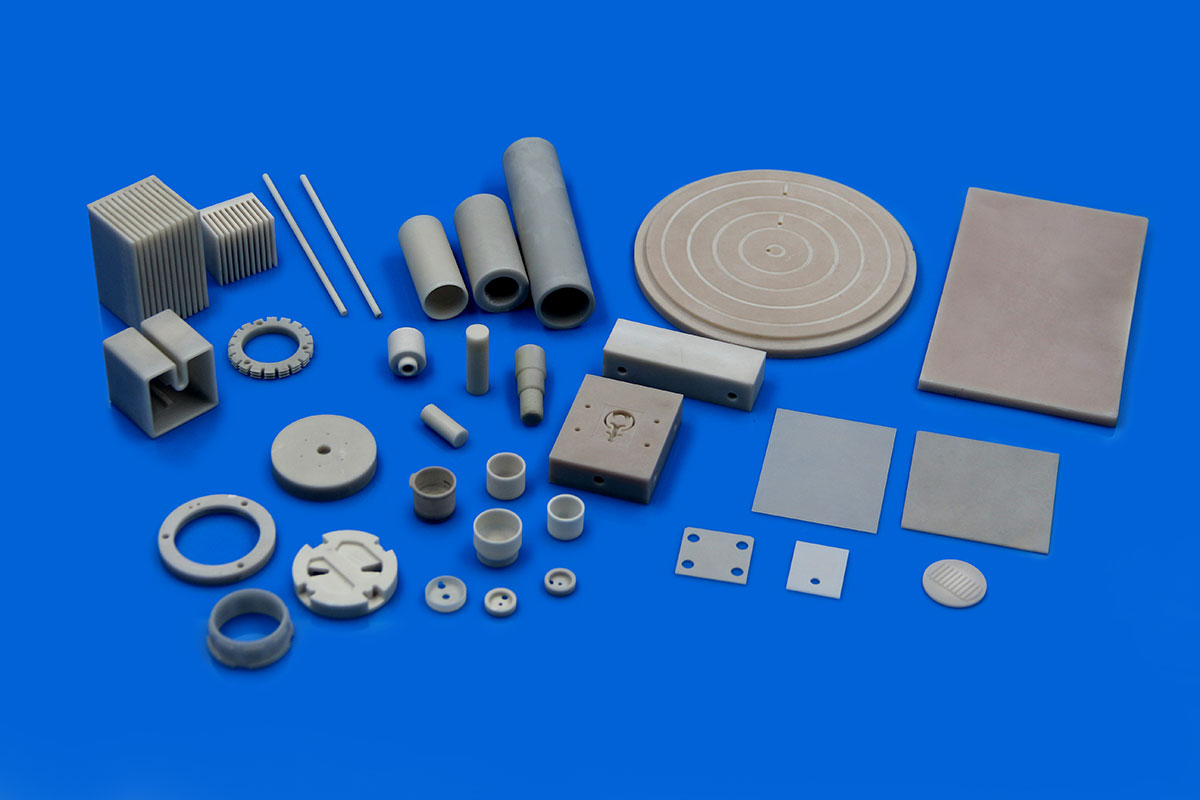
5 related products are tagged to this application field in the current catalog. Use them as starting points for standard review or custom manufacturing discussion.
Start with the conditions. We will help review the ceramic path.
Share your operating conditions, performance requirements, and design challenges. We' Il help identify the optimal ceramic solution.