

Optics & Photonics
Ceramic parts for optical and photonics systems where thermal stability, insulation, reflectivity, alignment and package reliability affect performance.
Engineering requirements behind Optics & Photonics ceramic components
Optical and photonics equipment can be sensitive to heat, alignment, electrical isolation and surface condition. Ceramic components can improve stability in laser cavities, packages, fixtures and thermal control parts.
- Operating conditions
- Component requirements
- Material selection
- Manufacturing support
Where Ceramic Components Are Used in Optics & Photonics Equipment
Use this section to match your equipment type with typical ceramic parts and the key requirements we should review before quoting.
Application review
Material direction
Manufacturing path
Engineering Review Notes for Optics and Photonics Ceramic Parts
Optical ceramic parts must be reviewed around stability, alignment and surface function. The best material route depends on heat flow, optical path, mounting method and package requirements.
Information to share before material review
- Optical system type, laser wavelength or heat source if relevant, and whether the part is structural, insulating, reflective or package-related.
- Drawing, alignment surfaces, flatness, parallelism, holes, metallized areas and surface finish requirements.
- Operating temperature, thermal cycling, bonding method, polishing or coating expectations.
- Prototype quantity, repeat-production plan and inspection requirements.
How we use this information
- Check whether alumina, aluminum nitride, zirconia, metallized ceramic or another material is suitable.
- Review manufacturability of alignment features, polished surfaces, metallized areas and package interfaces.
- Identify potential risks from thermal expansion, chipping, surface roughness or assembly stress.
What Innovacera can support
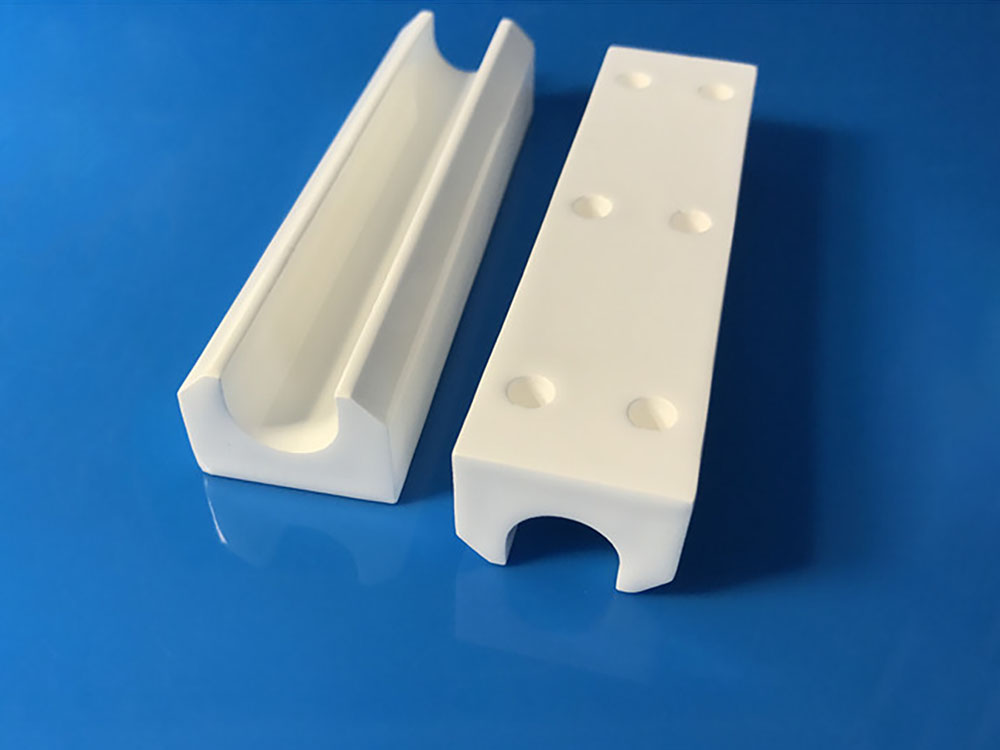
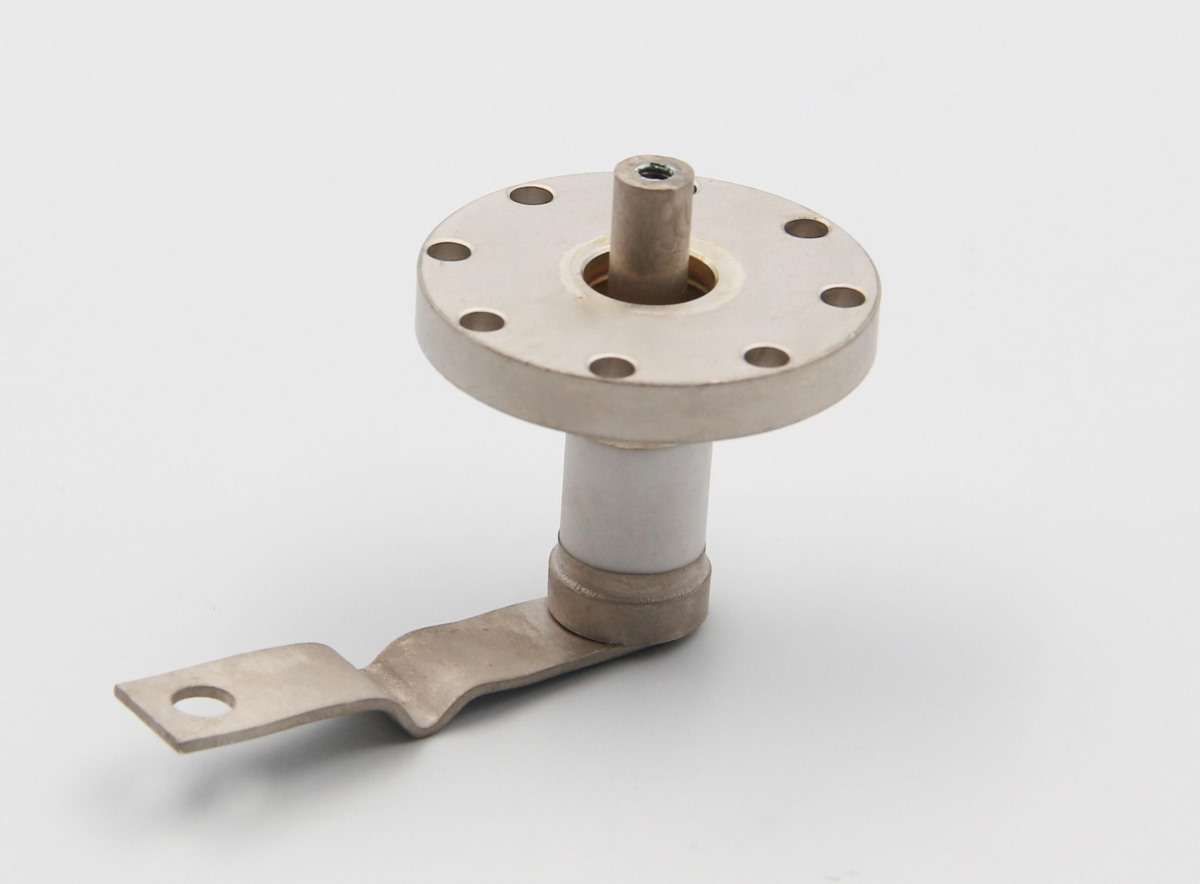
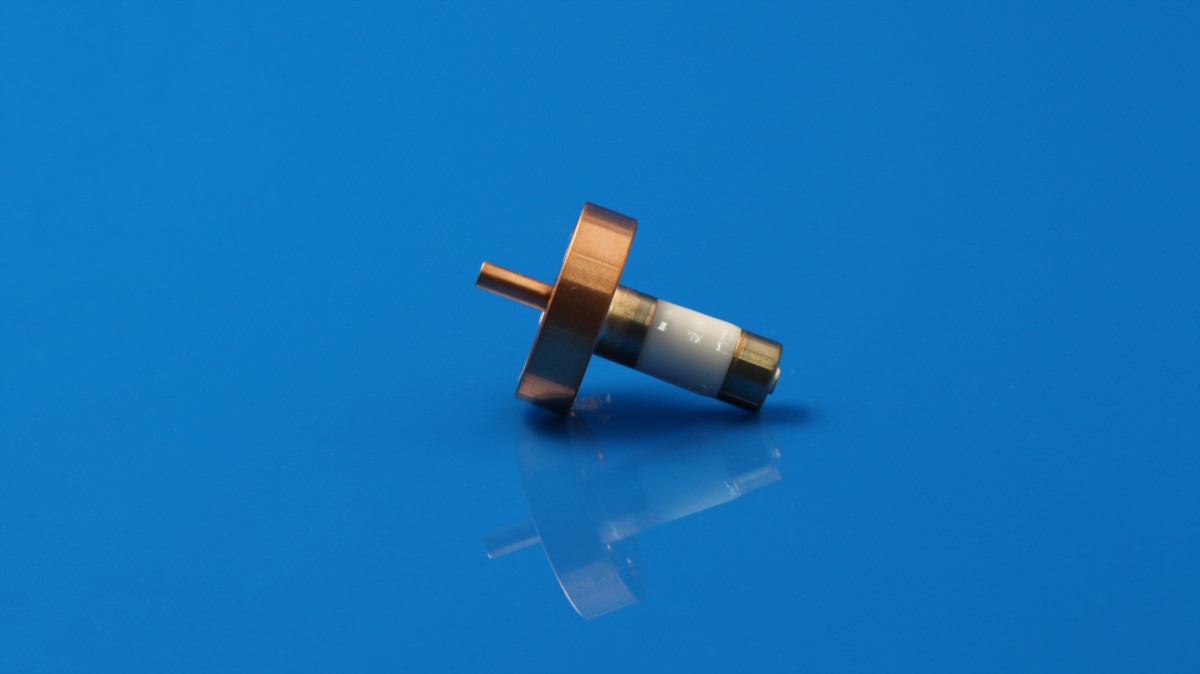
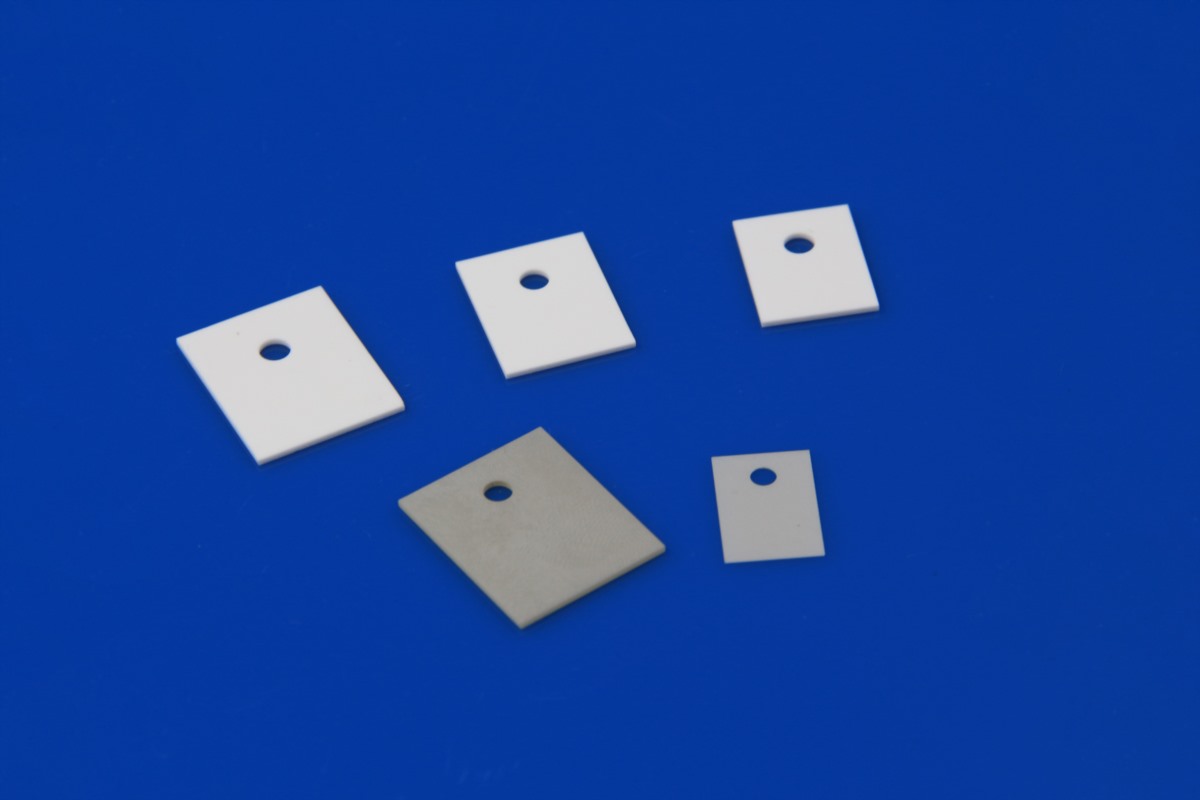
Innovacera supports optical equipment builders with ceramic reflectors, packages, insulators, mounts and custom precision ceramic components.
Related ceramic products.
4 related products are tagged to this application field in the current catalog. Use them as starting points for standard review or custom manufacturing discussion.
Start with the conditions. We will help review the ceramic path.
Share your operating conditions, performance requirements, and design challenges. We' Il help identify the optimal ceramic solution.