Key points for selecting ceramic material, metallization system, plating finish and joining process for your application.
What is a metallized ceramic component?
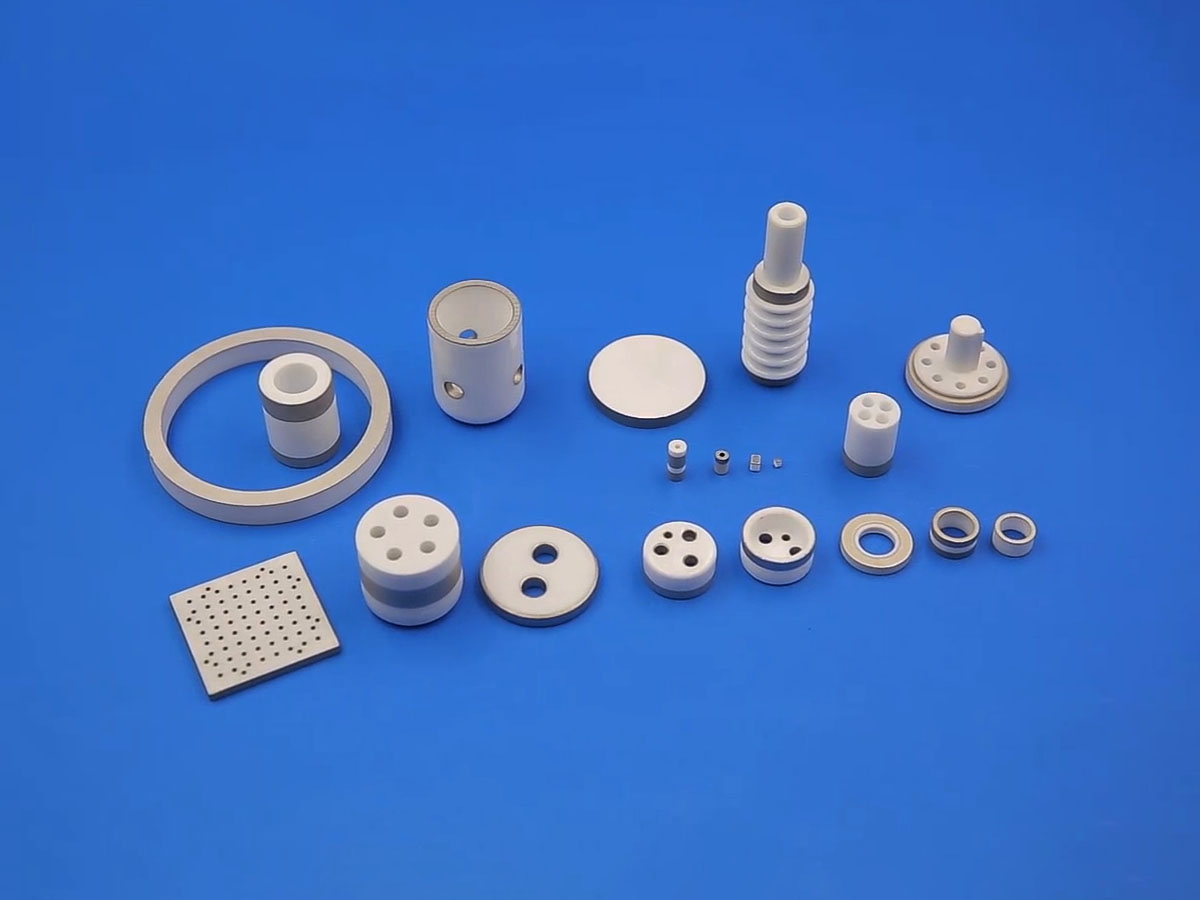
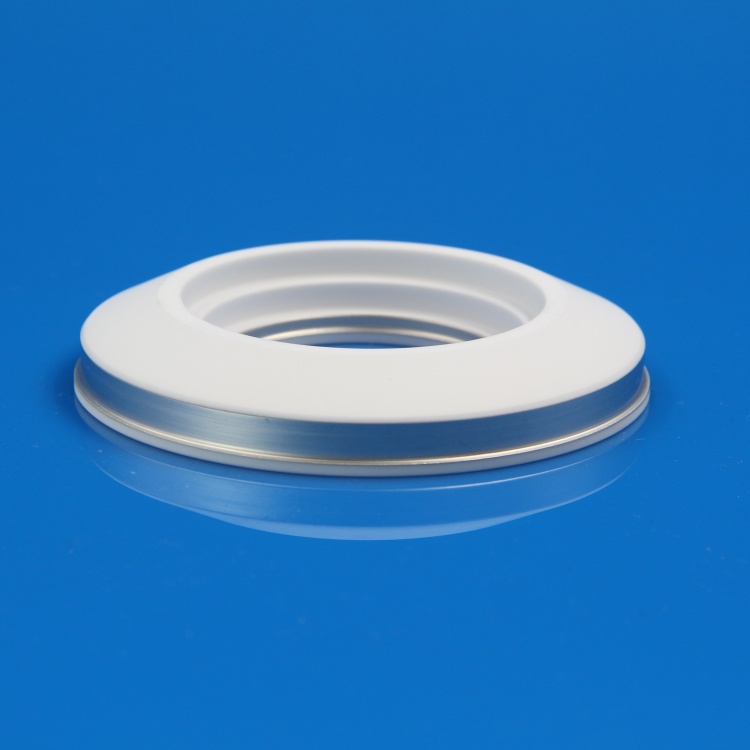
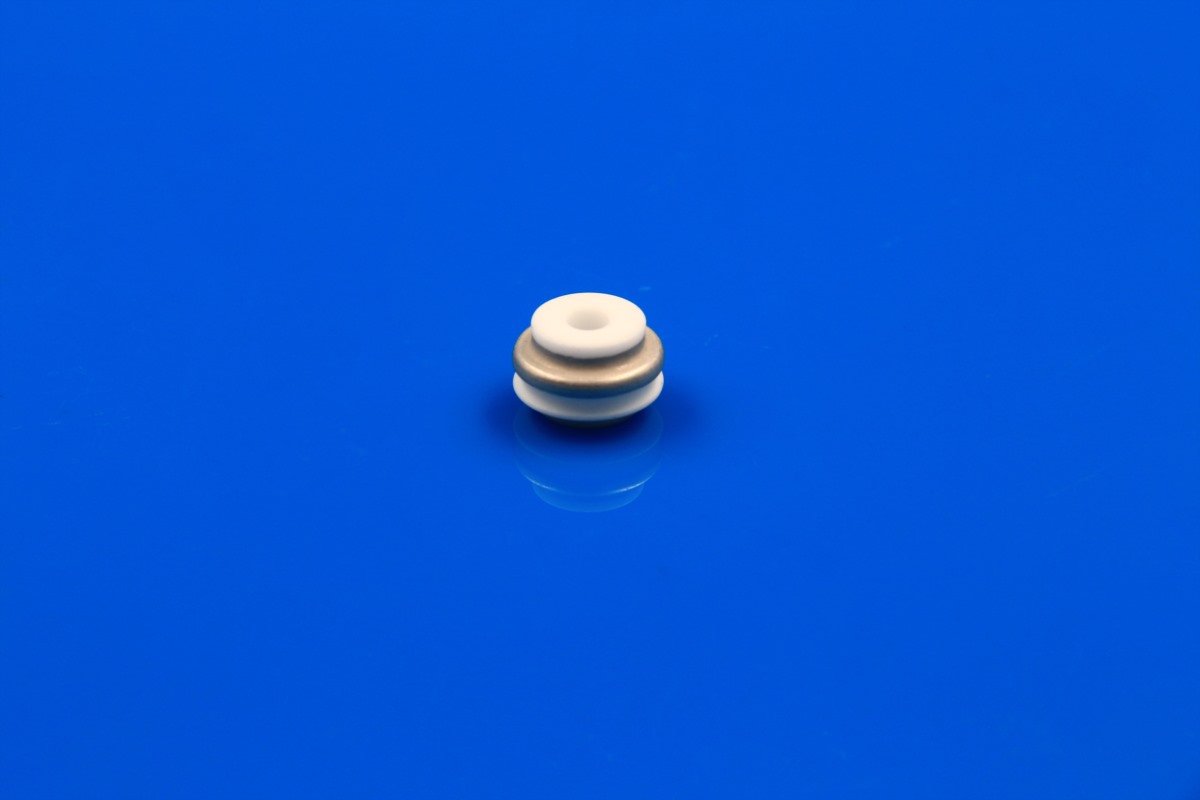
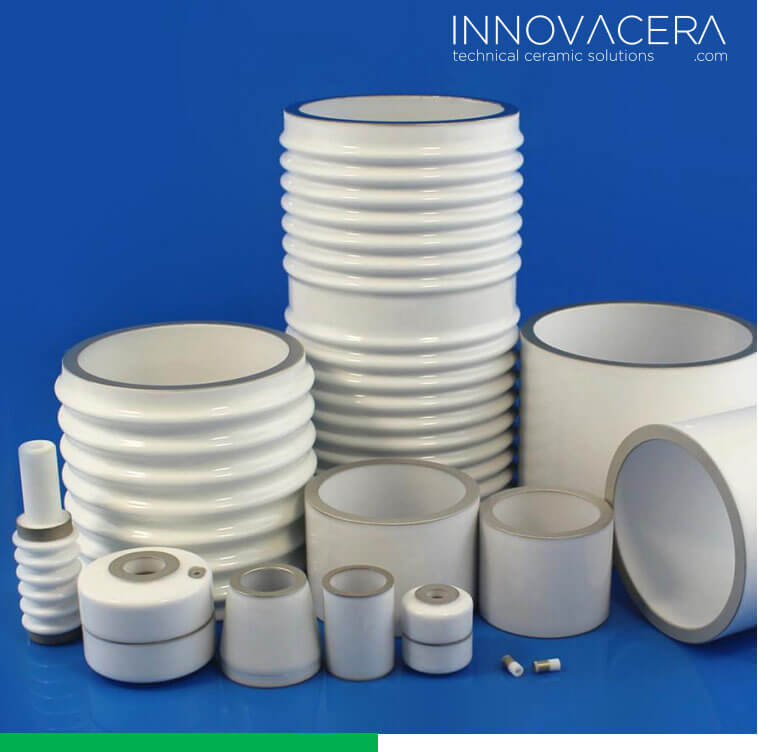
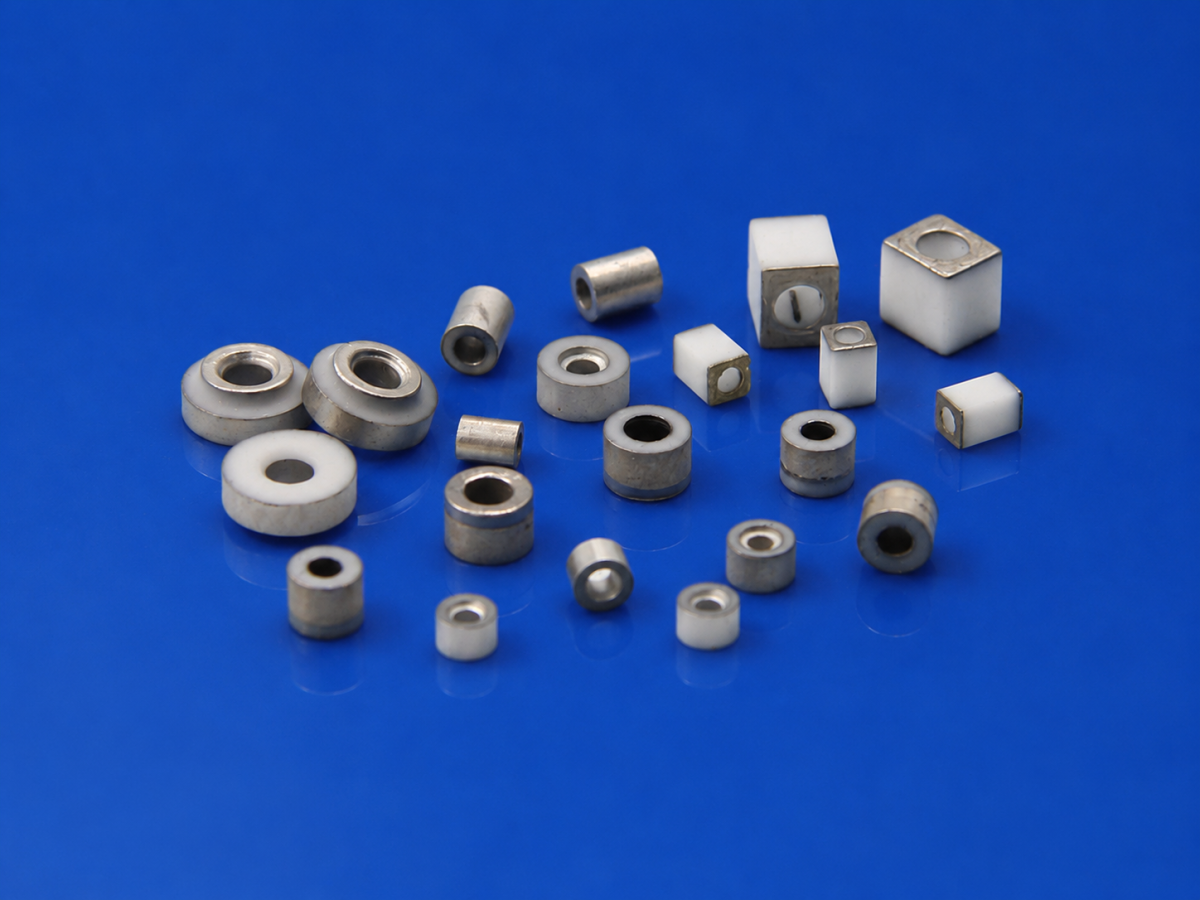
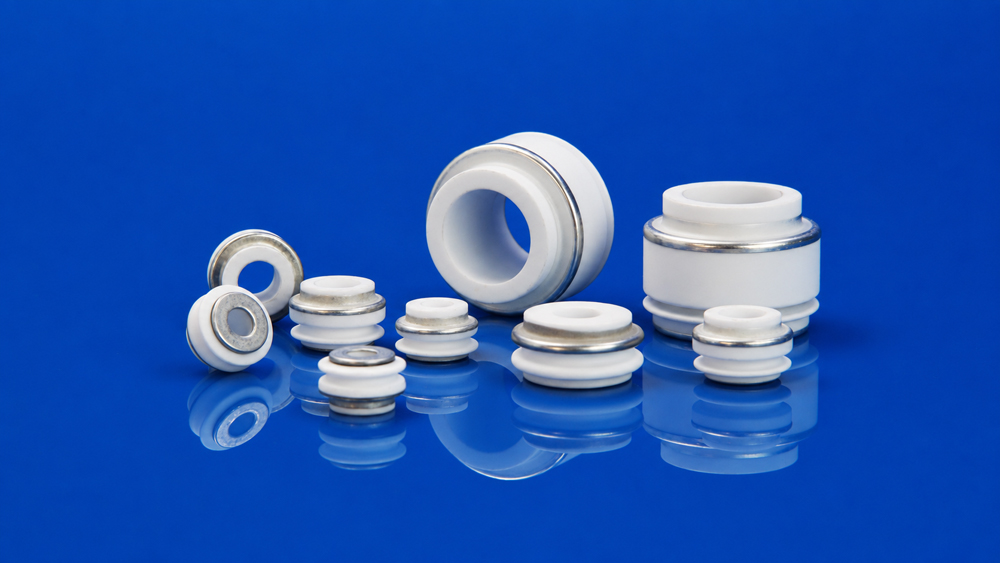
It is a technical ceramic part with a controlled metal layer applied to selected surfaces. The metallized area can be soldered or brazed to metal hardware, allowing the ceramic to provide electrical insulation, mechanical support and vacuum-compatible sealing within one assembly.
Which ceramic materials can be metallized?
Alumina is the most common choice because of its insulation, strength and compatibility with Mo-Mn metallization. Aluminum nitride is used when higher thermal conductivity is required. Other materials and metallization routes may be reviewed according to geometry, joining temperature and operating conditions.
Which metallization and plating systems are available?
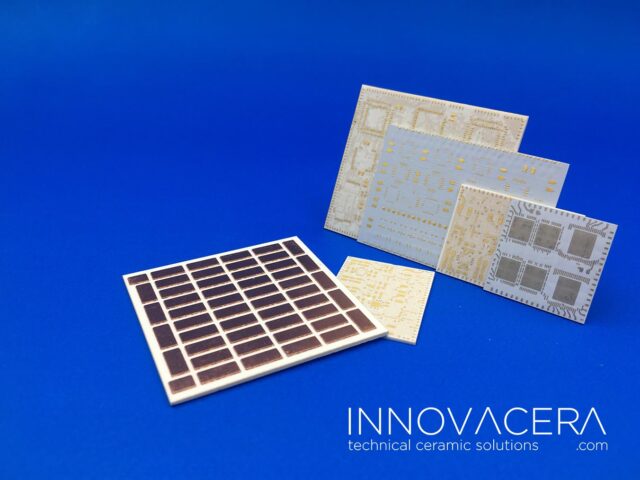
Typical options include Mo-Mn metallization followed by nickel plating, with gold, silver or other finishes added when required. Tungsten-based metallization, printed silver and copper-based structures such as DBC can also be considered for suitable designs.
What metallization and nickel thicknesses are typical?
For metallized alumina insulators, reference ranges include approximately 9–30 μm for Mo-Mn metallization and 3–10 μm for nickel plating. The final layer thickness should be specified from the brazing, soldering, electrical and dimensional requirements of the assembly.
Can flat, cylindrical and complex ceramic shapes be metallized?
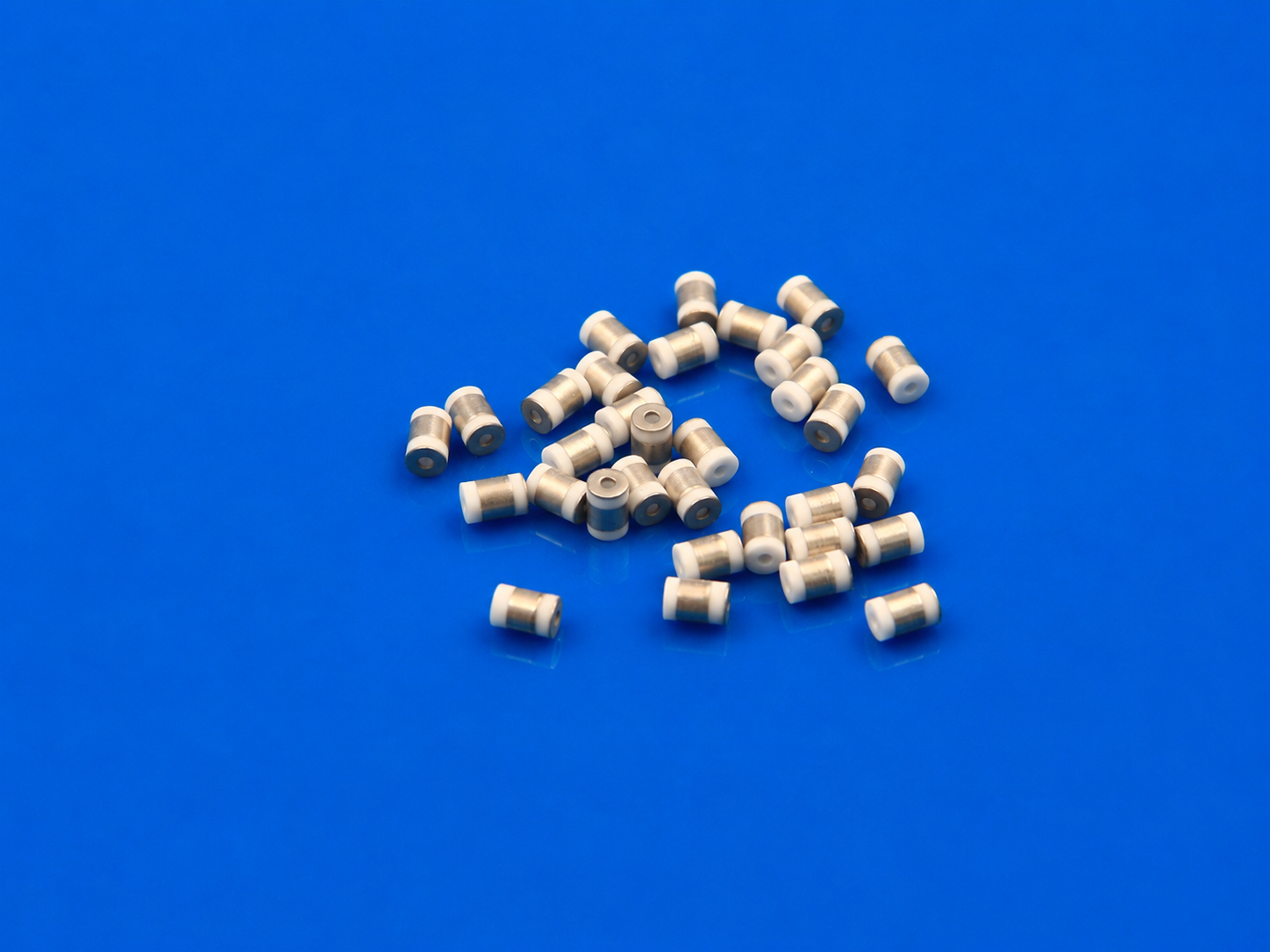
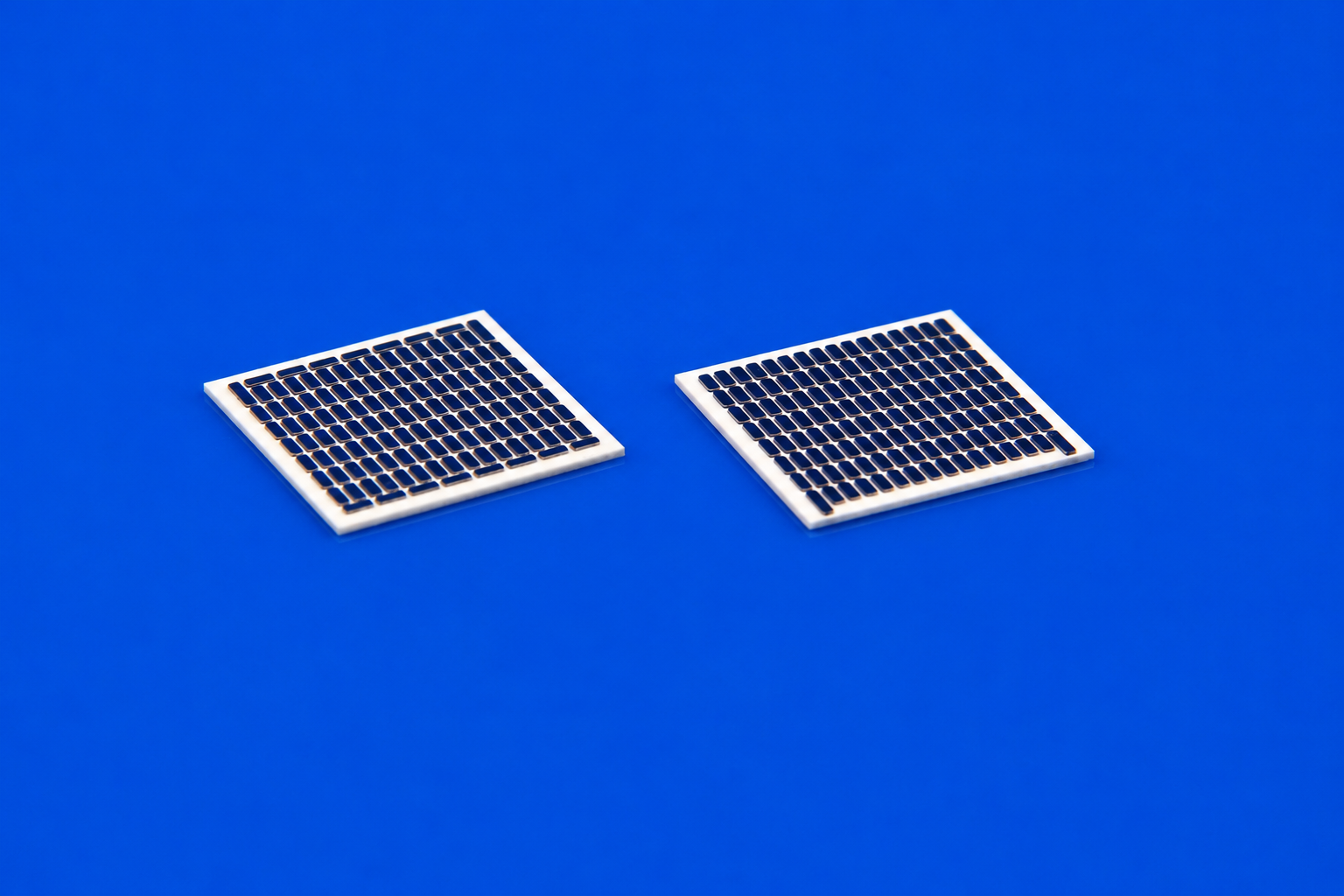
Yes. Metallization can be applied to flat surfaces, rings, tubes, cylinders, bushings and selected complex features. Process selection may include screen printing, spraying, brushing or needle application depending on the pattern, access and production quantity.
Are metallized ceramics suitable for vacuum and hermetic assemblies?
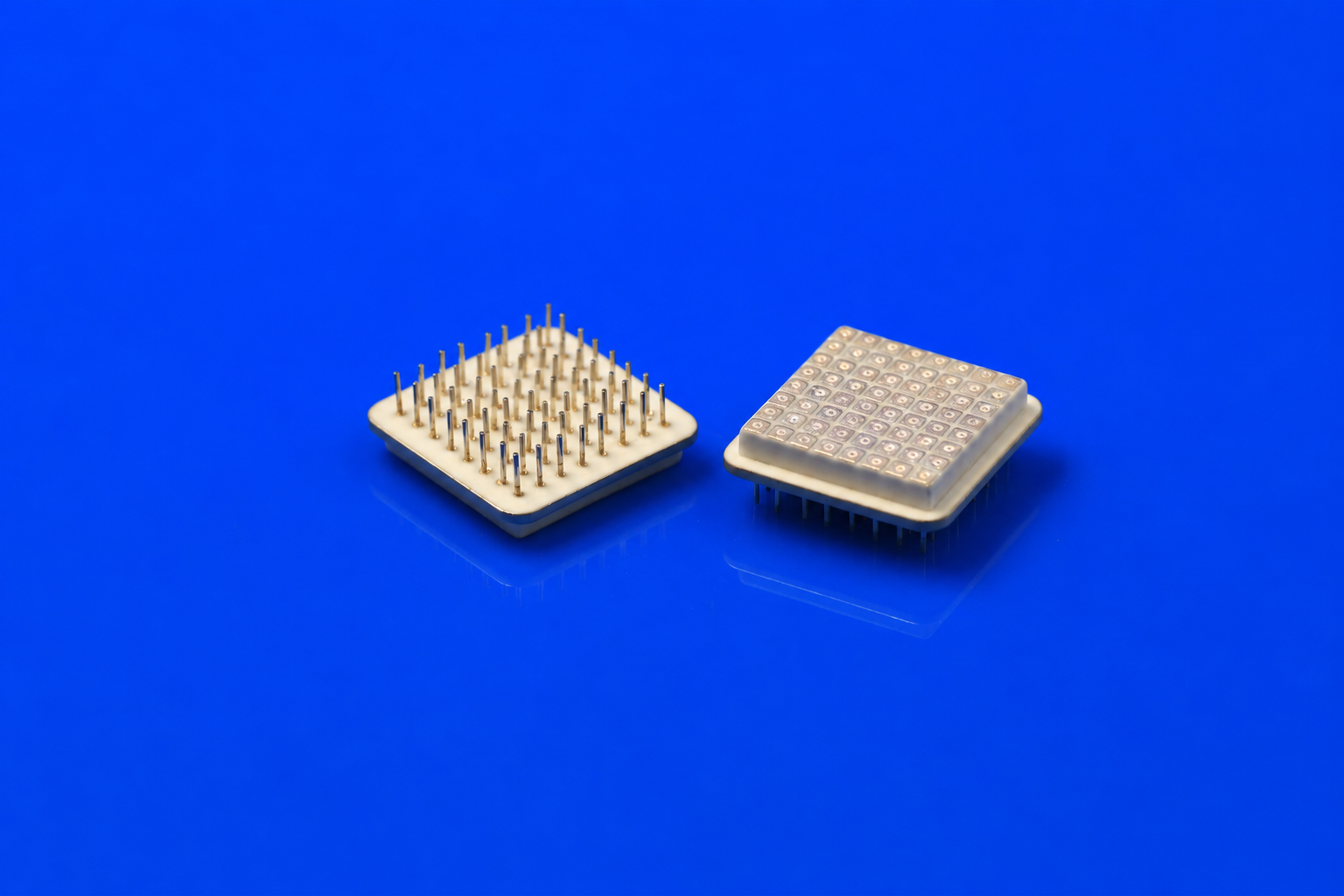
Yes, when the ceramic grade, metallization, plating, braze alloy and metal partner are designed as a compatible system. Leak-rate targets, bakeout temperature, thermal cycling and cleaning requirements should be defined before production.
How is a DBC substrate different from conventional Mo-Mn metallization?
DBC bonds relatively thick copper directly to an alumina or aluminum nitride substrate and is mainly used for current carrying and thermal management in power electronics. Conventional Mo-Mn metallization is typically used to create a thin bondable layer for brazing or soldering ceramic components into packages and hermetic assemblies.
What information is required for a quotation?
Provide the ceramic material and purity, part drawing, metallization area and tolerances, coating and plating stack, joining method, operating temperature, electrical or vacuum conditions, testing requirements, prototype quantity and expected annual volume.