

Fluid Control Ceramic Solutions
Precision ceramic components for metering, filtration, diffusion and flow paths.
Fluid Control Designing
Wear-resistant, corrosion-resistant and high-precision ceramic components for metering pumps, valves, nozzles, dosing systems and chemical fluid transfer equipment.
Viscosity / Pressure / Flow
Metering / Sealing / Valve Control
Plunger / Sleeve / Seat / Orifice
Accurate Dosing / Low Leakage
Precision Metering
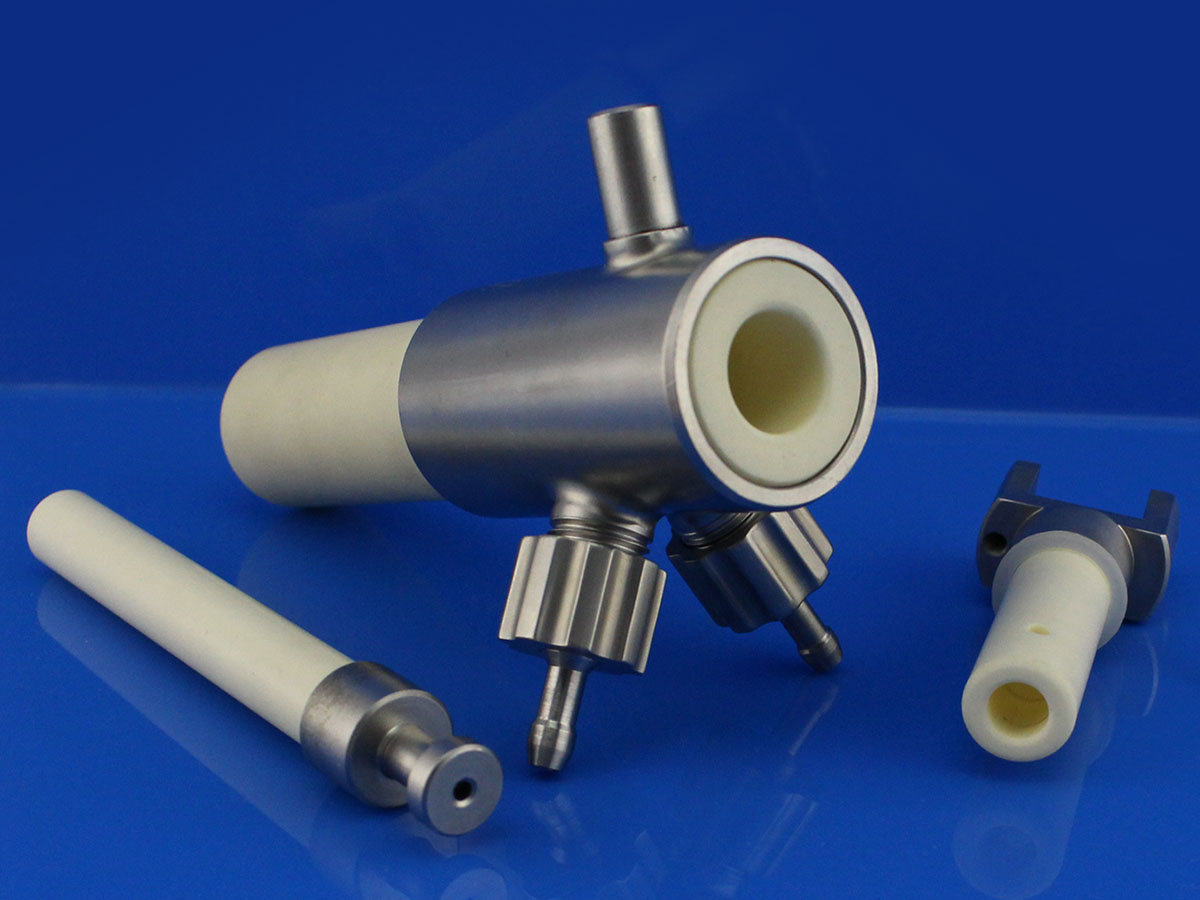
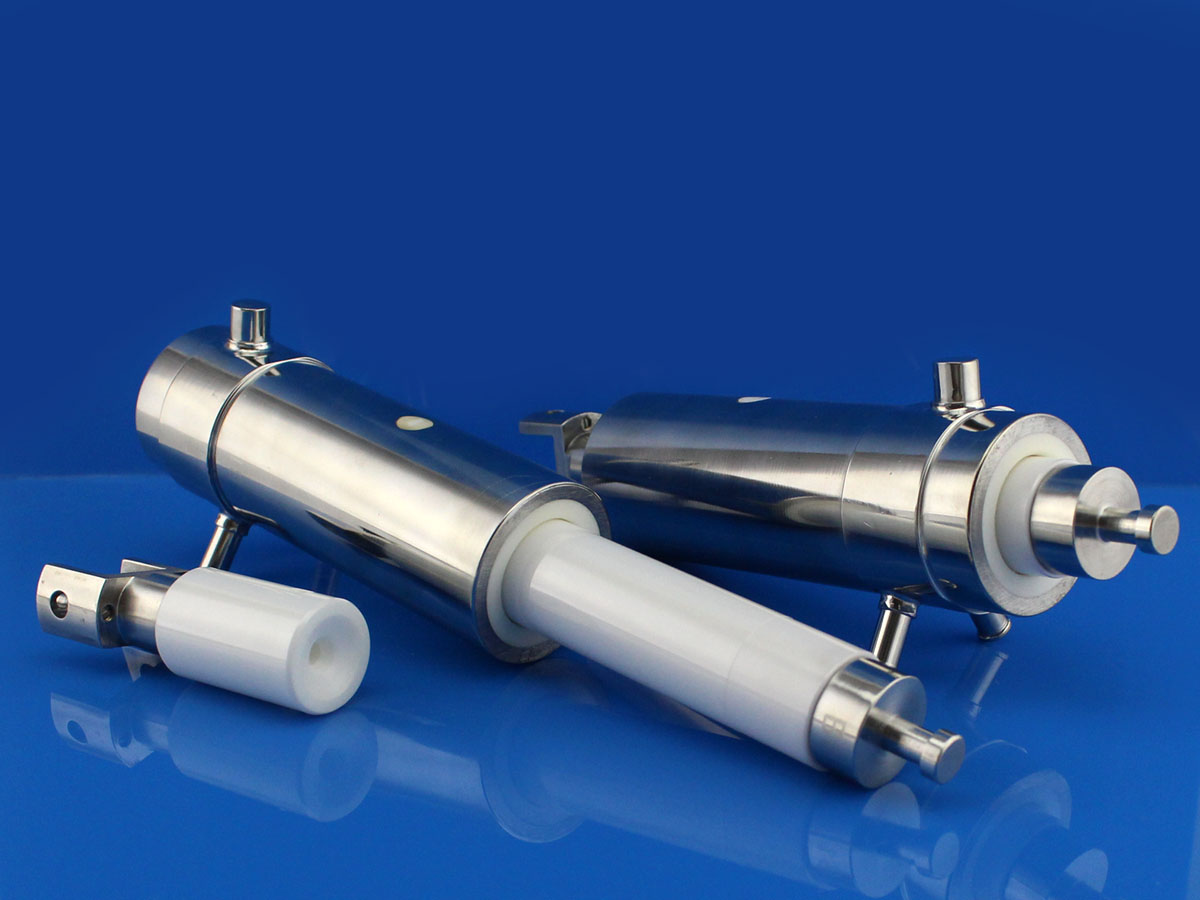
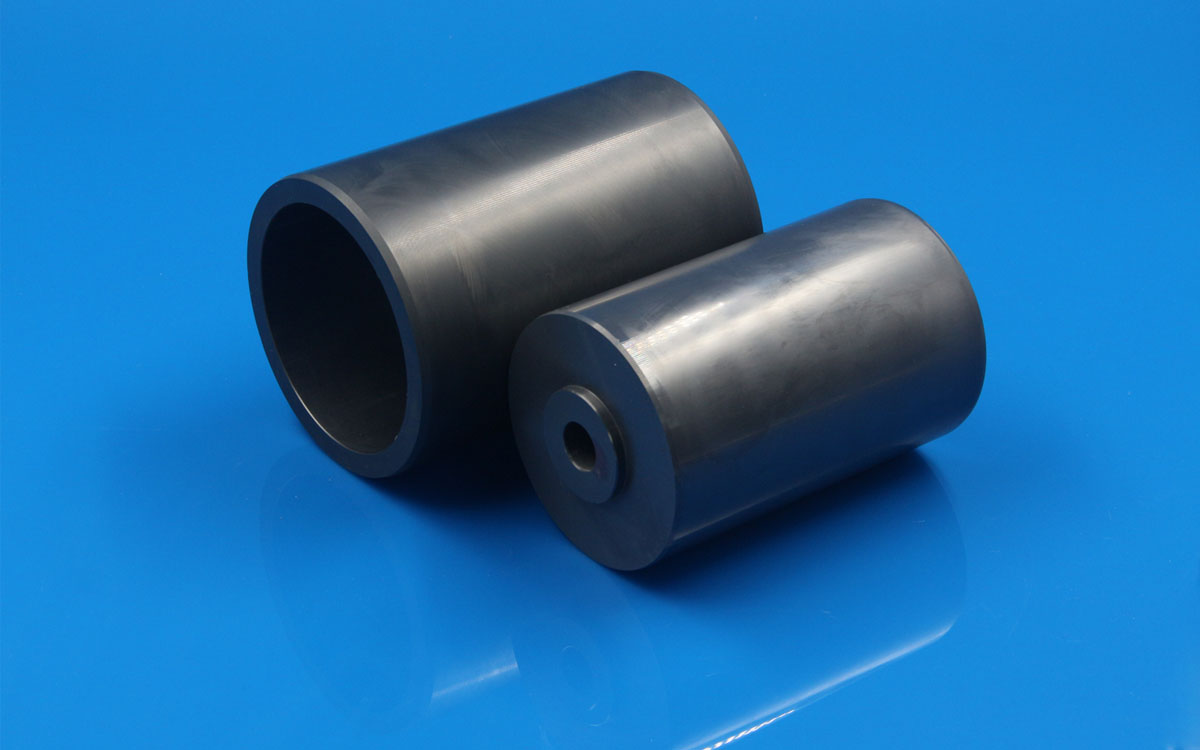
Precision-ground ceramic plungers, sleeves and matching interfaces support stable dosing, repeatable displacement and controlled clearance.
Sealing & Valve Control
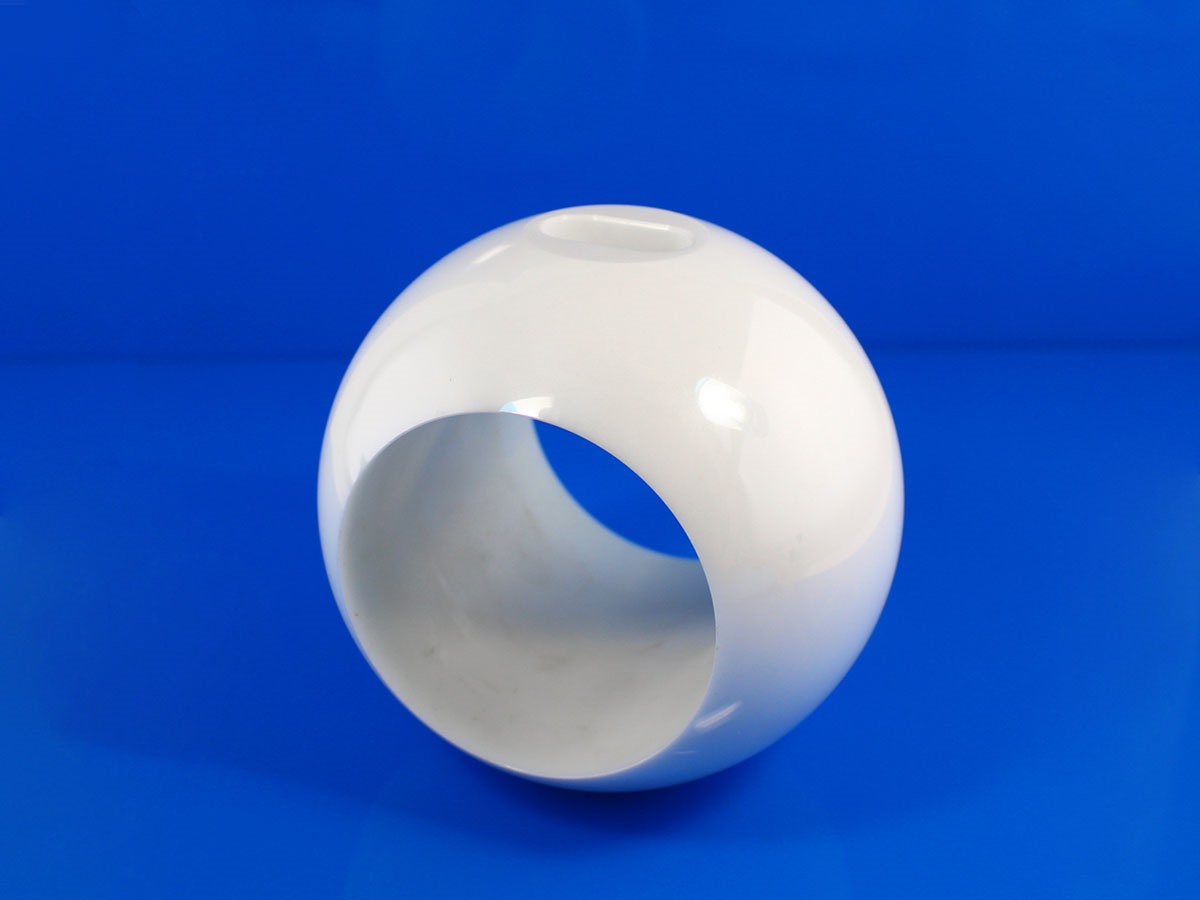
Ceramic valve seats, valve cores and sealing faces reduce wear, leakage and performance drift in repeated operating cycles.
Corrosion & Wear Resistance
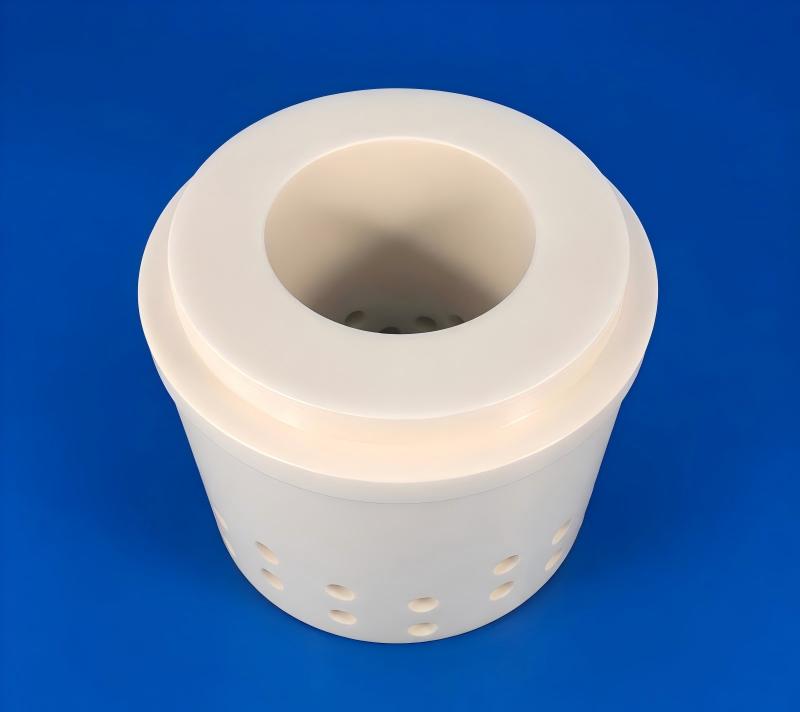
Alumina, zirconia, silicon nitride and silicon carbide components resist aggressive media, abrasive particles and contamination.
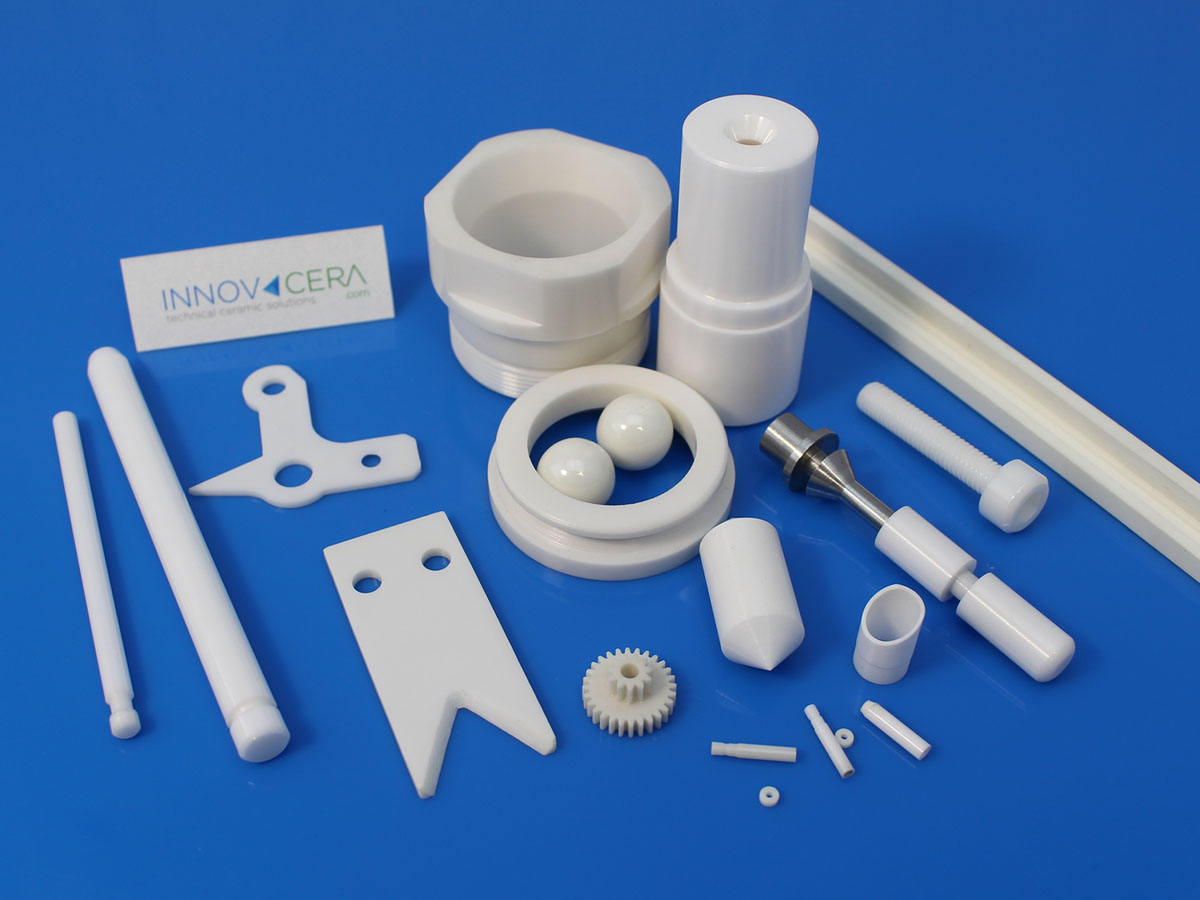
Product & Application Gallery
Material Selection Guide
| Material | Key Benefit | Typical Fluid Control Applications |
|---|---|---|
| Zirconia (ZrO2) | High toughness, wear resistance and excellent surface finish | Metering plungers, valve cores, precision sleeves and dosing components |
| Alumina (Al2O3) | High hardness, corrosion resistance and cost-effective processing | Valve seats, nozzles, orifices, sleeves and insulating fluid components |
| Silicon Nitride (Si3N4) | High strength, thermal shock resistance and chemical stability | Dynamic plungers, high-pressure pump parts and demanding valve components |
| Silicon Carbide (SiC) | Excellent wear, corrosion and abrasion resistance | Abrasive slurries, aggressive chemicals and high-duty fluid transfer systems |
Component Solutions
Ceramic Metering Pump Plungers
Precision-ground ceramic plungers provide stable displacement, low wear and repeatable dosing over extended operating cycles.
Ceramic Valve Seats and Cores
Ceramic valve seats and cores deliver reliable sealing, chemical resistance and consistent performance during repeated actuation.Ceramic Nozzles and Orifices
Precisely controlled ceramic openings support stable spraying, dispensing and flow regulation in demanding fluid systems.Ceramic Sleeves and Sealing Faces
Smooth, wear-resistant ceramic sleeves and sealing surfaces help reduce leakage, friction and maintenance requirements.Micro-Dosing Ceramic Components
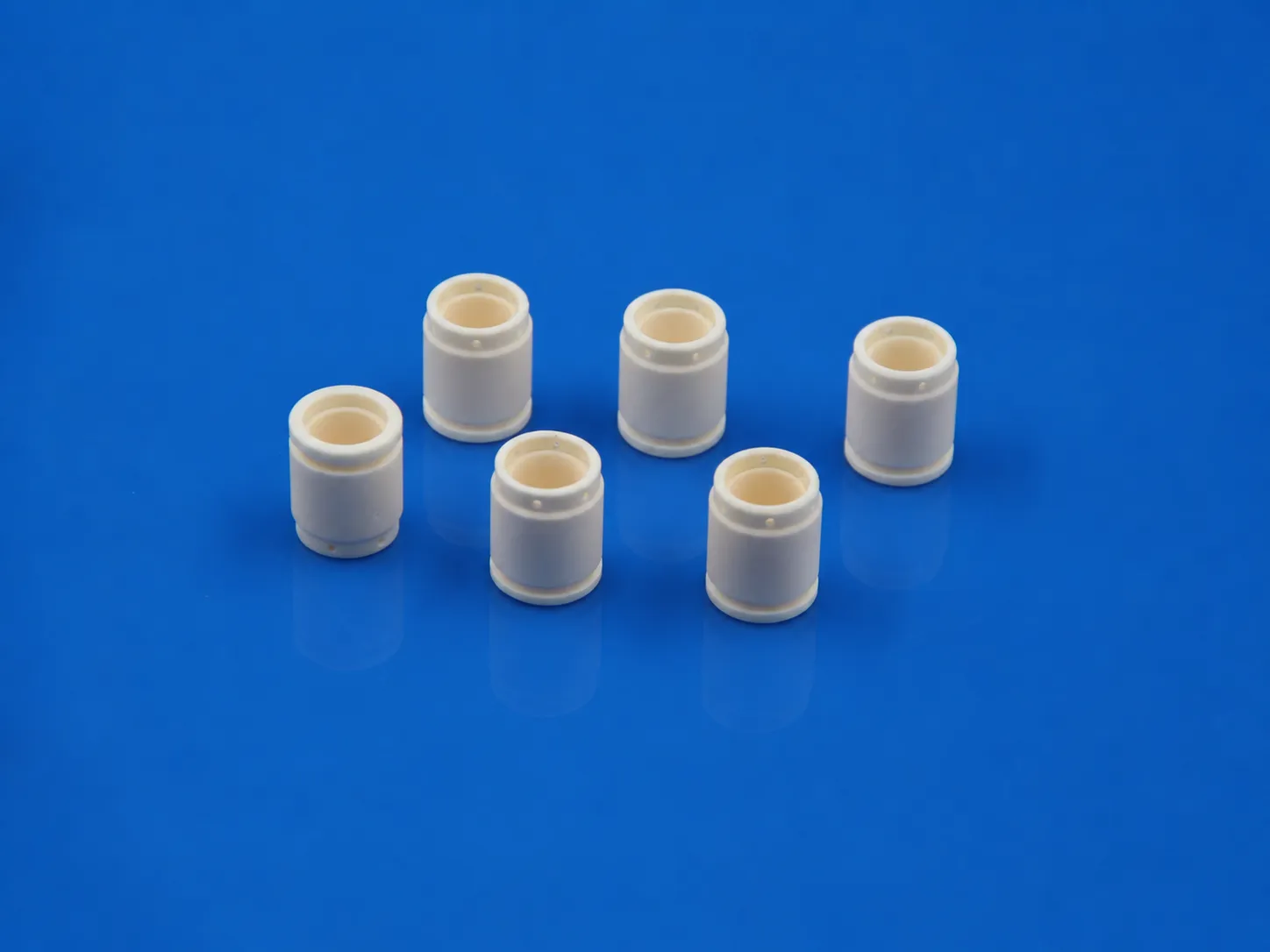
Miniature ceramic components enable precise low-volume dosing through tightly controlled dimensions, clearances and surface finishes.Custom Fluid Control Components
Custom ceramic components are developed around the fluid medium, pressure, dosing accuracy and equipment interface.Challenges & Ceramic Solution Selection
A problem-oriented guide for selecting ceramic materials and component structures according to dosing accuracy, sealing reliability, chemical compatibility and wear conditions.
| Engineering Challenge | Recommended Ceramic Solution | Typical Applications |
|---|---|---|
| Unstable dosing or displacement drift | Precision zirconia plunger with matched ceramic sleeve and controlled clearance | Metering pumps, filling equipment and laboratory dosing systems |
| Seal wear, leakage or frequent maintenance | Alumina or zirconia valve seat, valve core and ceramic sealing face | Valves, rotary pumps and repeated-cycle dispensing equipment |
| Corrosive liquid transfer | Alumina, zirconia or silicon carbide wetted ceramic components | Chemical, pharmaceutical, reagent and process-fluid systems |
| Abrasive particles or slurry media | Silicon carbide or silicon nitride plungers, sleeves and nozzles | Slurry dosing, industrial chemicals and wear-intensive pumping |
| Micro-flow or unstable orifice performance | Precision-machined ceramic nozzle or orifice with controlled diameter, roundness and surface finish | Spraying, ink, analytical instruments and micro-dosing systems |
Frequently Asked Questions
Where are ceramic plungers commonly used?
They are used in metering pumps, dosing pumps, filling equipment and precision pumps requiring wear and corrosion resistance.
Can high-precision ceramic fits be achieved?
Yes. The target clearance, surface finish, roundness and matching parts should be reviewed together during design.
Which ceramic is suitable for corrosive fluids?
Alumina and zirconia suit many chemical media, while silicon carbide is preferred for more aggressive or abrasive conditions.
Can ceramics be used in food and pharmaceutical equipment?
Yes, but the material, cleaning process, media compatibility and applicable regulatory requirements must be confirmed.
What information is needed for a fluid control RFQ?
Please provide the media, viscosity, pressure, flow or dosing volume, temperature, dimensions, drawings, tolerances and quantity.
Can custom ceramic pump and valve components be supplied?
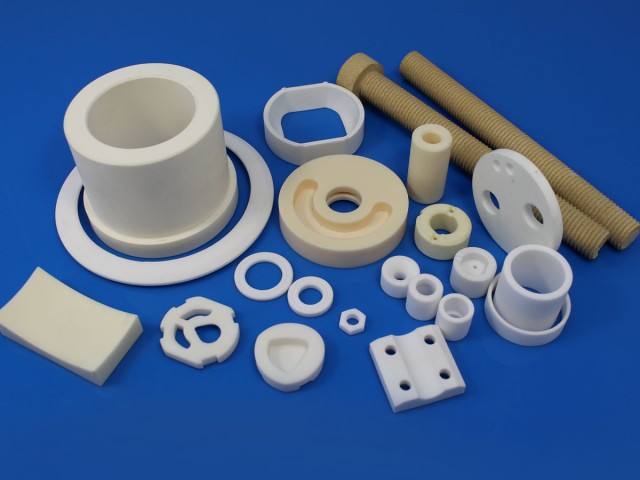
Yes. INNOVACERA supports customized plungers, sleeves, valve seats, valve cores, nozzles, orifices and related precision ceramic components.
Related ceramic products.
related products are matched to this engineering solution in the current catalog.
Start Your Engineering Review.
Provide your project details, development stage, operating conditions, expected annual volume and drawings (if available). Our engineers will review feasibility, recommend suitable materials and support the most efficient path from prototype to production.