Related products 8 products in the current catalog
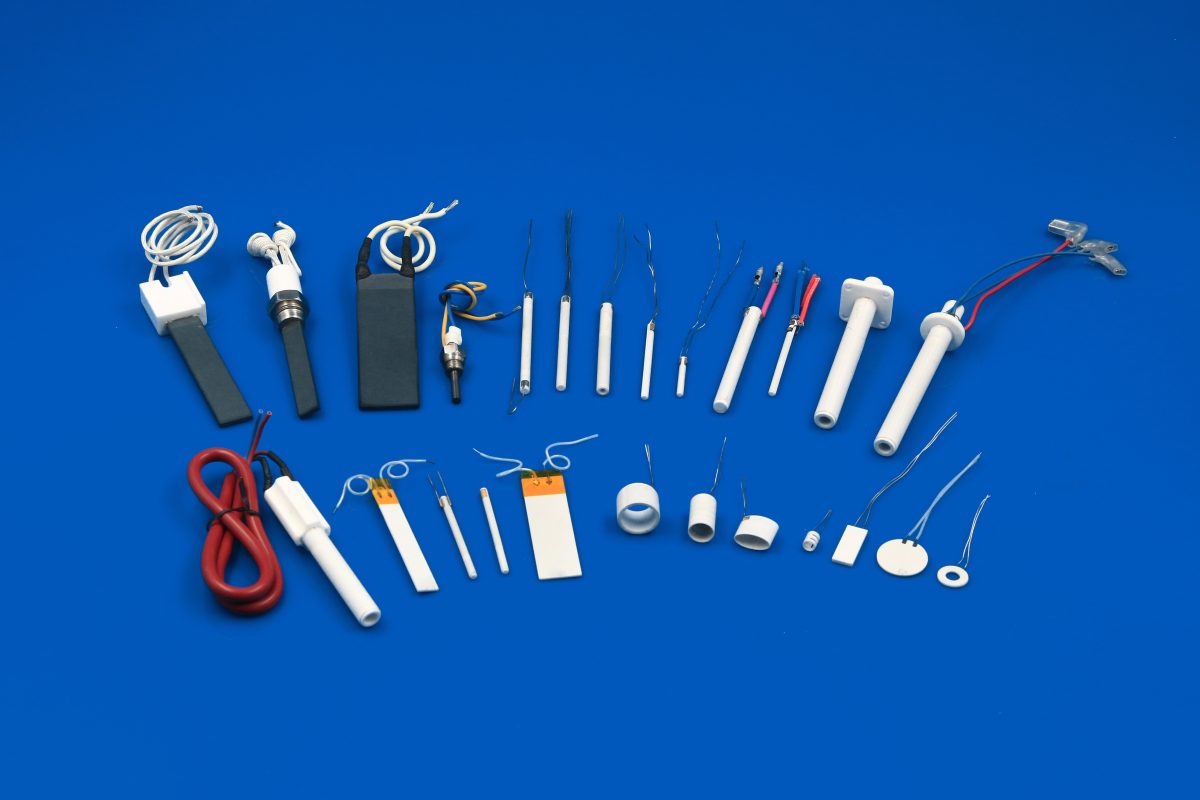
Common forms heater plates, heating elements, heater tubes, insulating holders
Current catalog

Related products

Back to product categories
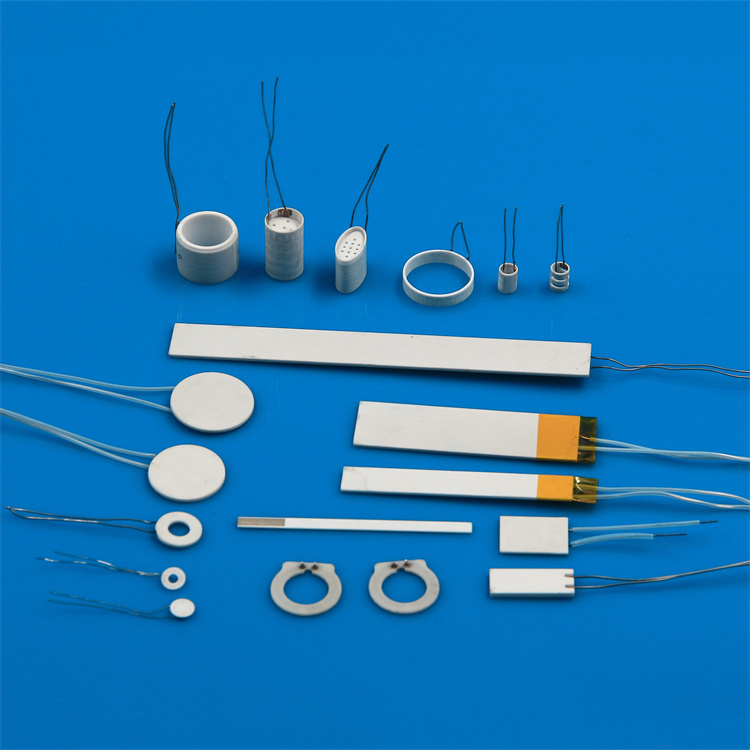
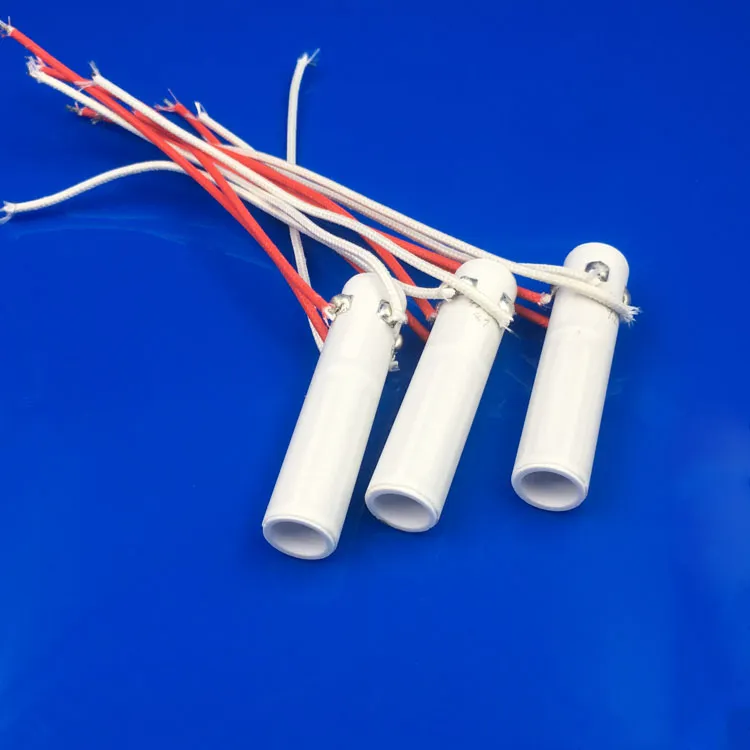
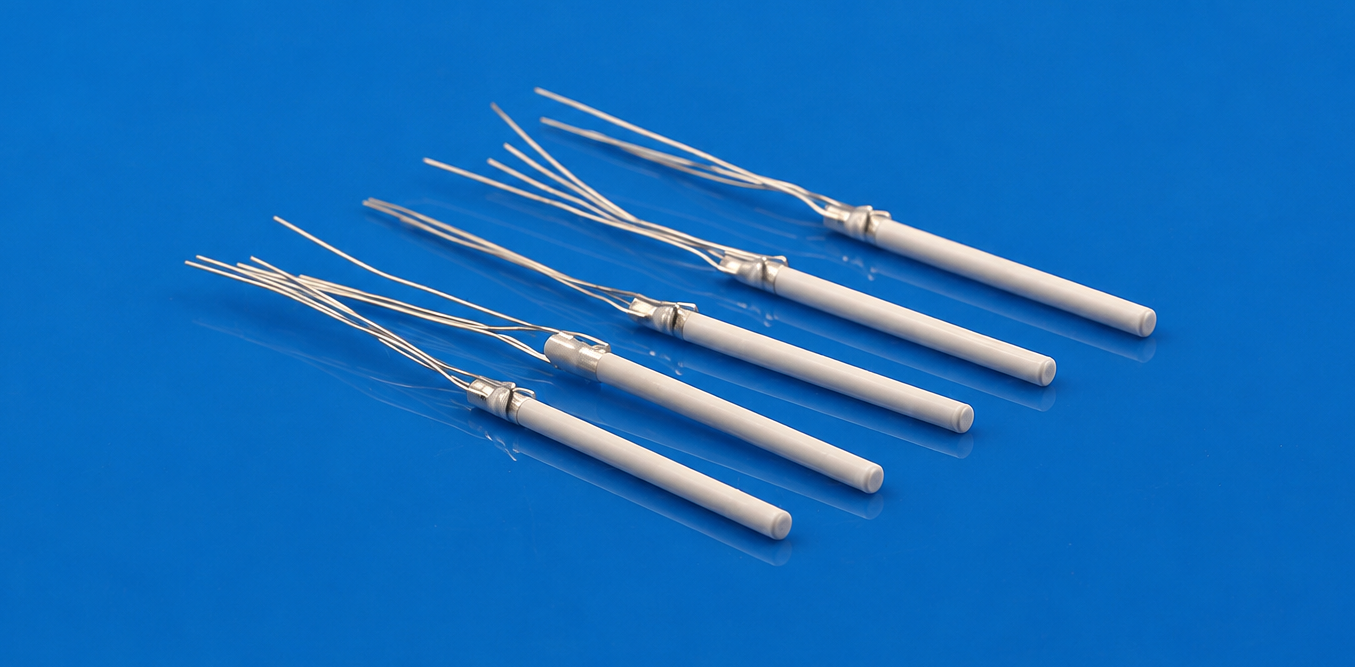
Alumina Ceramic Heater

Alumina Ceramic Heater

More Details
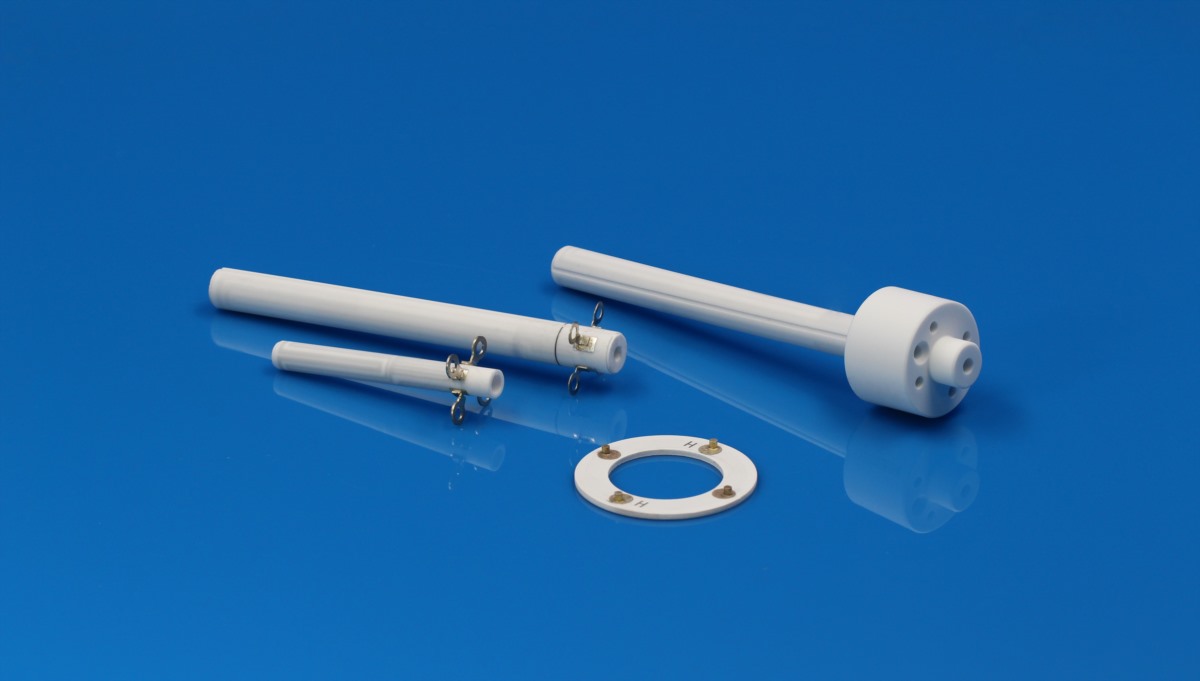
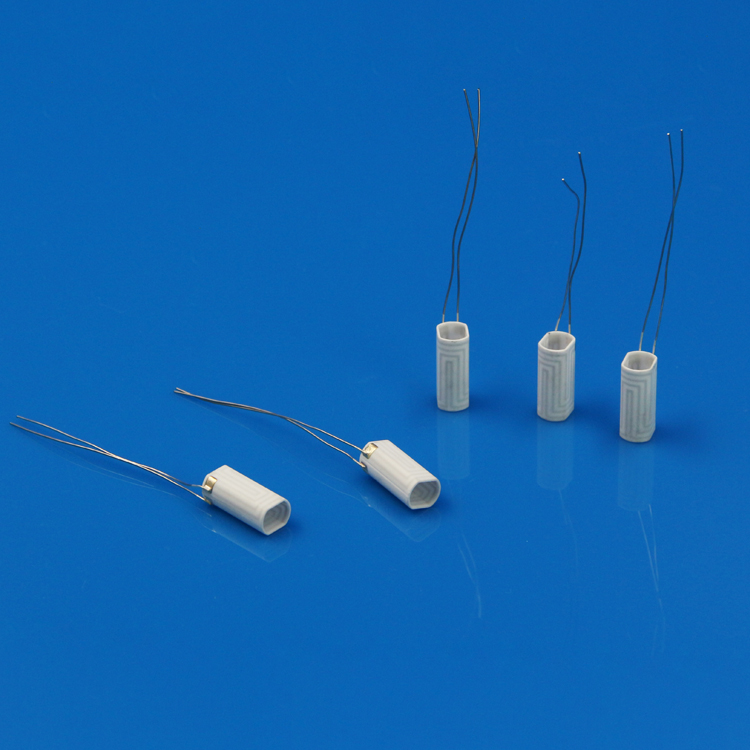
MCH Heater for Mass Spectrometers

MCH Heater for Mass Spectrometers

More Details
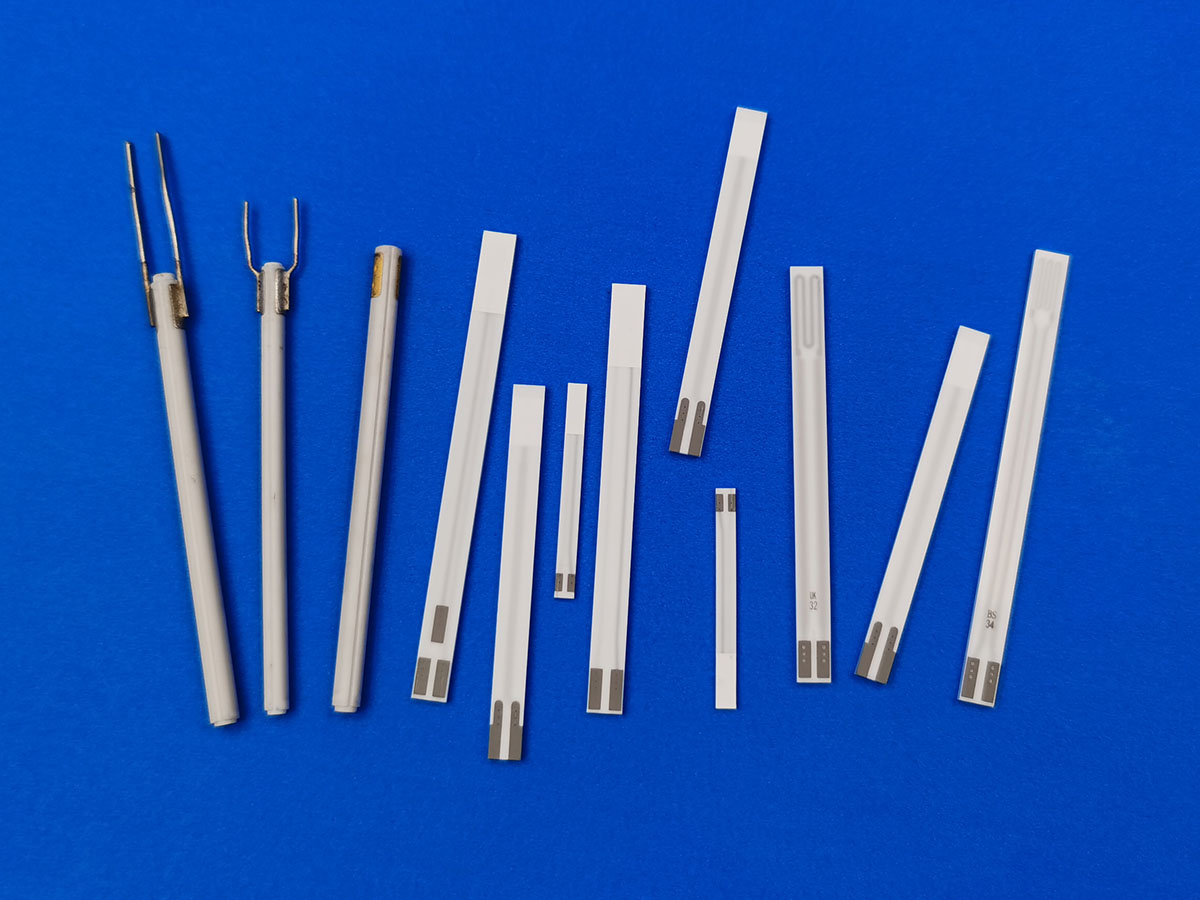
Oxygen Sensor Heater

Oxygen Sensor Heater

More Details
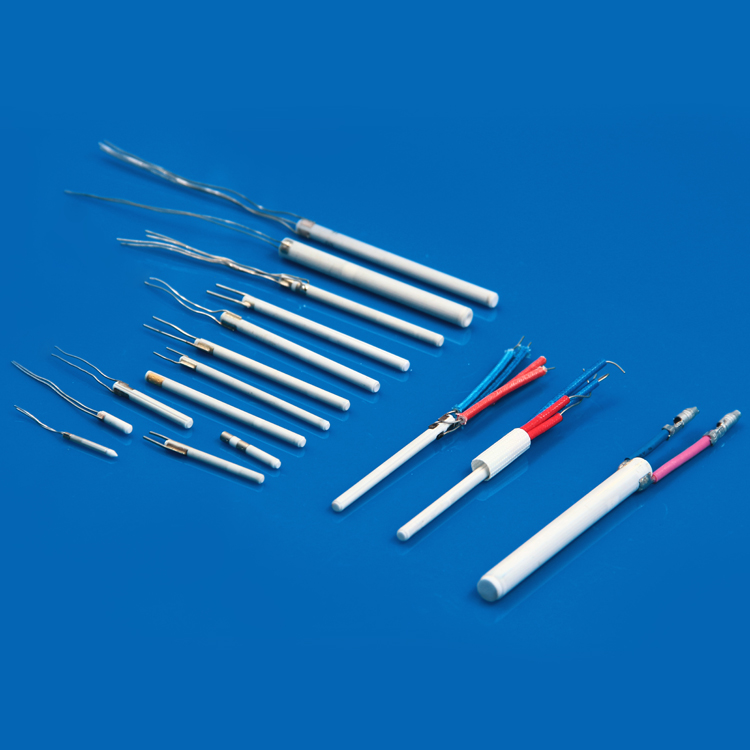
Electric Soldering Iron Heater

Electric Soldering Iron Heater

More Details
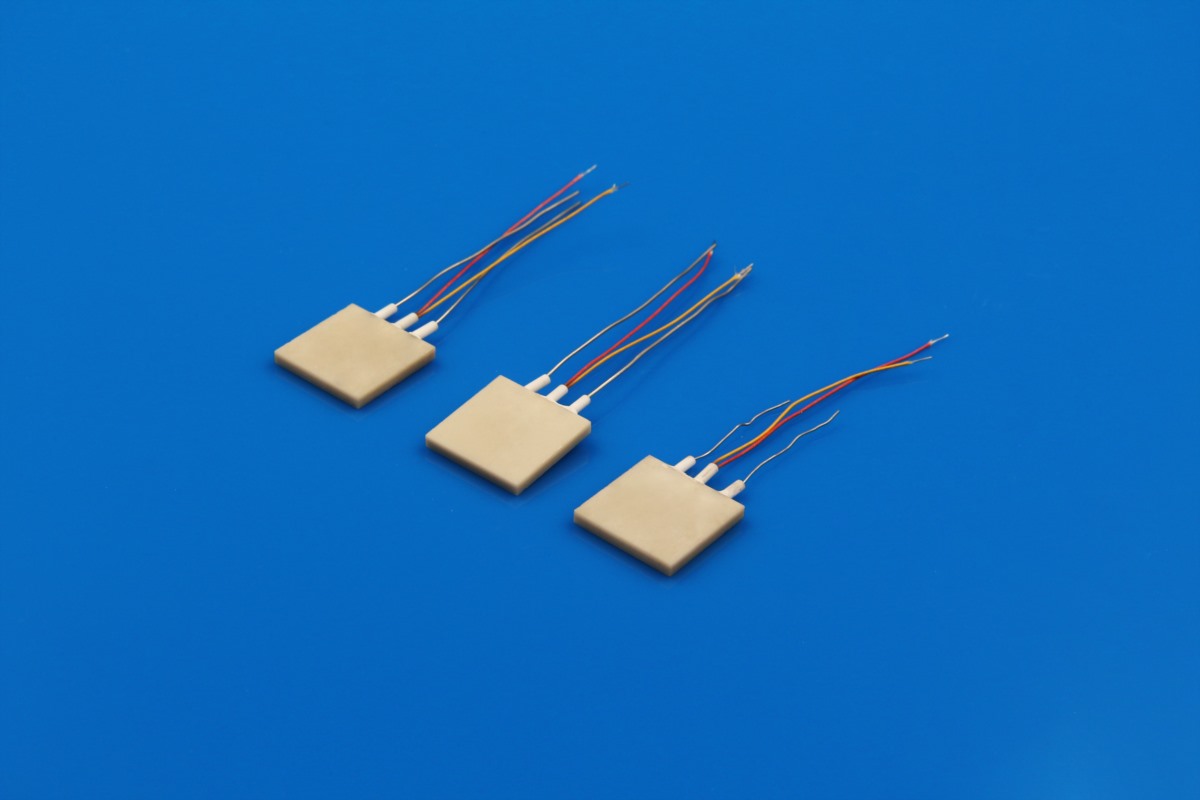
Aluminum Nitride Ceramic Heater

Aluminum Nitride Ceramic Heater

More Details
Ceramic heating element for 3D Printer Extruder Hot Ends

Ceramic heating element for 3D Printer Extruder Hot Ends

More Details
Ceramic Heating Elements Specifically Designed For Mass Spectrometers

Ceramic Heating Elements Specifically Designed For Mass Spectrometers

More Details
PTC vs MCH Ceramic Heating: How to Choose the Right Industrial Igniter

PTC vs MCH Ceramic Heating: How to Choose the Right Industrial Igniter

More Details
Application Scenarios

Ceramic Heaters for Rapid, Compact and Electrically Insulated Heating

Alumina MCH and related ceramic heater elements integrate the resistance circuit within an insulating ceramic body, supporting fast heat-up, compact installation and stable temperature control in analytical, automotive, electronics and industrial equipment.

01

Mass Spectrometry & Analytical Instruments

Compact MCH heaters can be used as source heaters or gas-channel heating elements in mass spectrometers and analytical systems. Rapid, uniform heating helps vaporize liquid or gas samples while the ceramic structure provides electrical insulation, low thermal mass and precise response inside space-limited instrument assemblies.

View MCH Heaters
MCH ceramic heaters for mass spectrometers and analytical instruments

MCH heaters for sample and gas-channel heating

02

Automotive Oxygen Sensor Heating

Planar and rod-shaped ceramic heaters bring oxygen sensors to operating temperature quickly after engine start. Alumina-based heater structures provide insulation, high-temperature resistance and compact integration for thimble, planar, air-fuel-ratio and wide-range sensor designs.

Planar and rod ceramic heaters for automotive oxygen sensors

Planar and rod heaters for oxygen sensor assemblies

03

Soldering Irons & Electronic Tools

Slim ceramic heater cores support fast warm-up and high watt density in soldering irons and stations. The laminated ceramic design helps reduce heater size while maintaining electrical insulation, thermal-shock resistance and repeatable heat delivery for electronics assembly, repair and controlled tool heating.

Compact ceramic heater cores for electronic tools

04

Liquid, Vaporizer & Industrial Process Heating

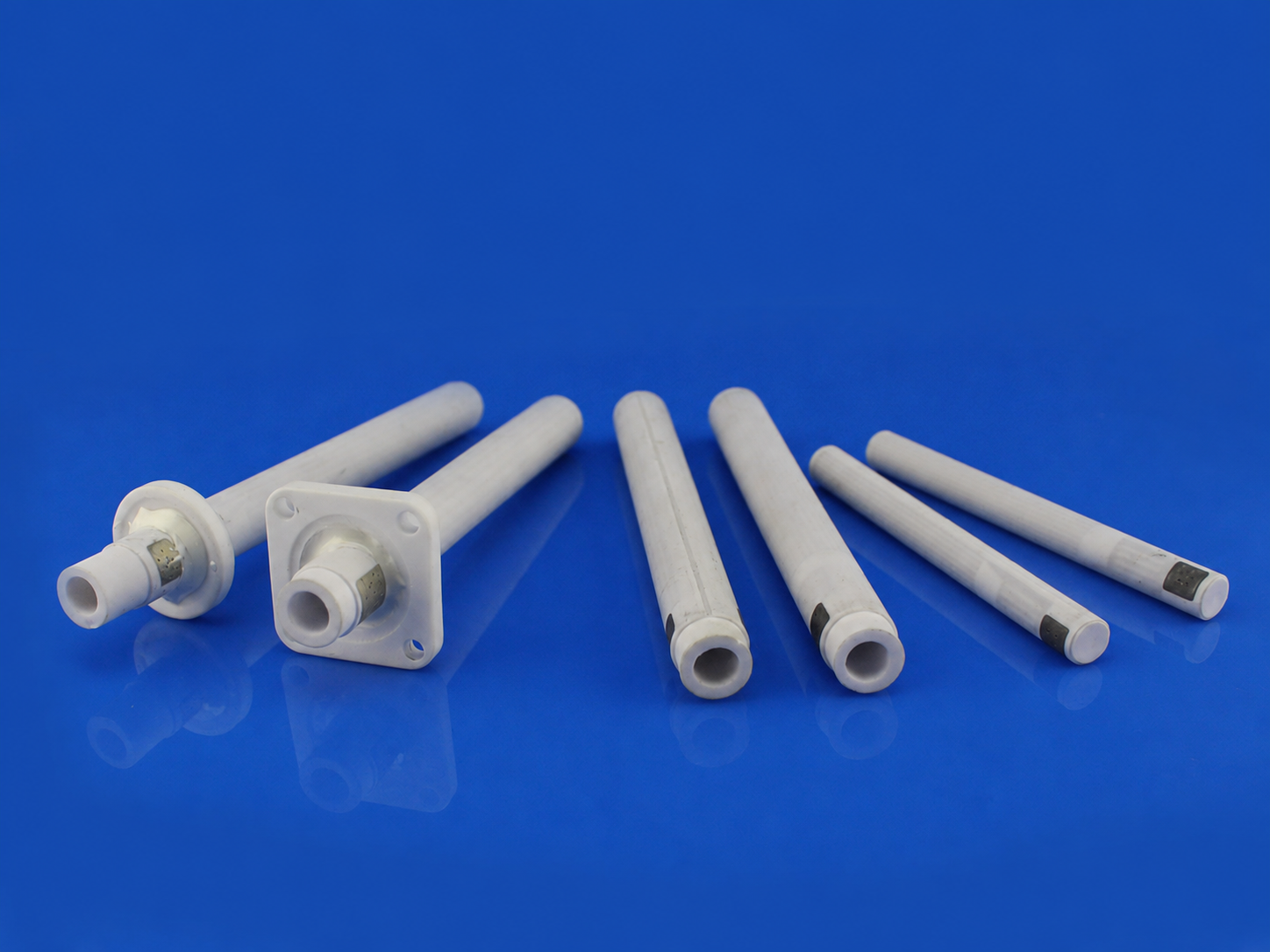
Tubular, plate and custom ceramic heaters can be designed for water, vaporizers, small boilers, sealing, bonding and temperature-controlled tooling. Embedded heating circuits and ceramic insulation support direct thermal contact, compact assemblies and tailored heat-distribution patterns.

Alumina ceramic heaters for liquid and industrial process heating

Custom heater tubes for liquid and process equipment

FAQ

Frequently Asked Questions About Ceramic Heaters

Key engineering questions covering heater material, power, temperature response, geometry, leads, mounting and quotation requirements.

What is an MCH ceramic heater?

MCH commonly refers to a metal ceramic heater manufactured by printing a resistance circuit on ceramic layers, laminating the layers and co-firing them into an electrically insulating body. The integrated structure offers compact size, rapid heat-up and high watt density.

Which ceramic materials are used for heater elements?

Alumina is widely used for laminated MCH heater rods and plates because it combines electrical insulation, process maturity and high-temperature stability. Aluminum nitride or silicon nitride may be considered where thermal conductivity, strength or a specific heater architecture requires them.

What are the main advantages of ceramic heaters?

Typical benefits include rapid heating, compact dimensions, electrical insulation, high watt density, oxidation resistance and the ability to integrate custom resistance patterns. Actual performance depends on heater geometry, voltage, power, heat transfer and control method.

Can ceramic heaters operate in direct contact with liquids?

Some ceramic heater designs can be developed for water or liquid heating because the resistance circuit is protected by the ceramic structure. The liquid chemistry, sealing method, terminal protection, surface load, thermal cycling and applicable safety requirements must be reviewed for each assembly.

How quickly can a ceramic heater reach temperature?

Heat-up time is determined by heater mass, watt density, target temperature, heat loss and the thermal load. Thin planar or small rod heaters can respond very rapidly, but the operating profile should be validated under the real mounting and airflow or liquid conditions.

Can voltage, resistance and heating pattern be customized?

Yes. Resistance value, rated voltage, power, heated length, circuit distribution, cold zones and lead configuration can be reviewed from the operating requirements. Final limits depend on ceramic size, circuit density, terminal design and manufacturing tolerances.

How should a ceramic heater be mounted?

The heater should be supported without bending, impact or concentrated clamping stress. Thermal expansion, contact pressure, electrical clearance, lead strain relief and heat transfer to the surrounding component should be considered during assembly design.

What information is needed for a ceramic heater RFQ?

Provide the drawing, rated voltage, resistance or power, target temperature, heat-up time, heated and unheated zones, sensor requirements, lead and connector details, mounting method, atmosphere, duty cycle, quantity and applicable inspection or certification requirements.


Why Innovacera

Engineering Support for Integrated Ceramic Heating Elements

Innovacera supports heater development from resistance and heat-distribution review through ceramic lamination, co-firing, lead attachment, electrical inspection and repeat manufacturing for OEM and replacement programs.

Heater Circuit & Thermal Review

Resistance, voltage, watt density, heat-up profile, heated zones and operating temperature reviewed around the real thermal load.

Laminated Ceramic Manufacturing

Metallization, ceramic lamination and co-firing routes for compact heater rods, plates, rings and custom integrated forms.

Leads, Sensors & Assembly Features

Custom terminals, lead wires, connectors, cold zones, mounting features and sensor integration reviewed for installation reliability.

Electrical & Dimensional Inspection

Resistance, power-on, dielectric, leakage, appearance and dimensional checks can be defined for prototype and repeat production.

Project RFQ

Share Your Heater Drawing, Electrical Rating and Thermal Profile

Send the heater geometry and operating conditions so the engineering team can review the ceramic material, resistance circuit, power density, terminals, mounting and inspection requirements.

Submit Ceramic Heater RFQ

Recommended project information

  • Drawing & Heater Form Overall dimensions, rod, plate, ring or tube structure, heated length, cold zones and assembly interfaces.
  • Electrical Rating Rated voltage, resistance tolerance, target power, current limit and control method.
  • Thermal Requirements Target temperature, heat-up time, temperature uniformity, watt density and permitted surface temperature.
  • Media & Heat Load Air, gas, liquid, metal contact or tooling mass together with flow rate and thermal capacity where applicable.
  • Leads & Connections Wire material, length, terminal, connector, brazed or welded joint and strain-relief requirements.
  • Sensor & Control Thermocouple, RTD or resistance feedback, sensor position and temperature-control strategy.
  • Operating Environment Atmosphere, pressure, moisture, chemicals, thermal cycling, vibration and electrical insulation requirements.
  • Quantity & Inspection Prototype quantity, annual demand, dimensional tolerances, electrical tests, reliability validation and packaging.

Review this product family for your project.

Send drawings, operating conditions, material preference, tolerance targets and quantity. Innovacera can review standard catalog products or custom ceramic manufacturing paths.