Product family

Fluid Control Components

Related products 4 products in the current catalog
Common forms valves, nozzles, plungers, seals, sleeves
Current catalog

Related products

Back to product categories
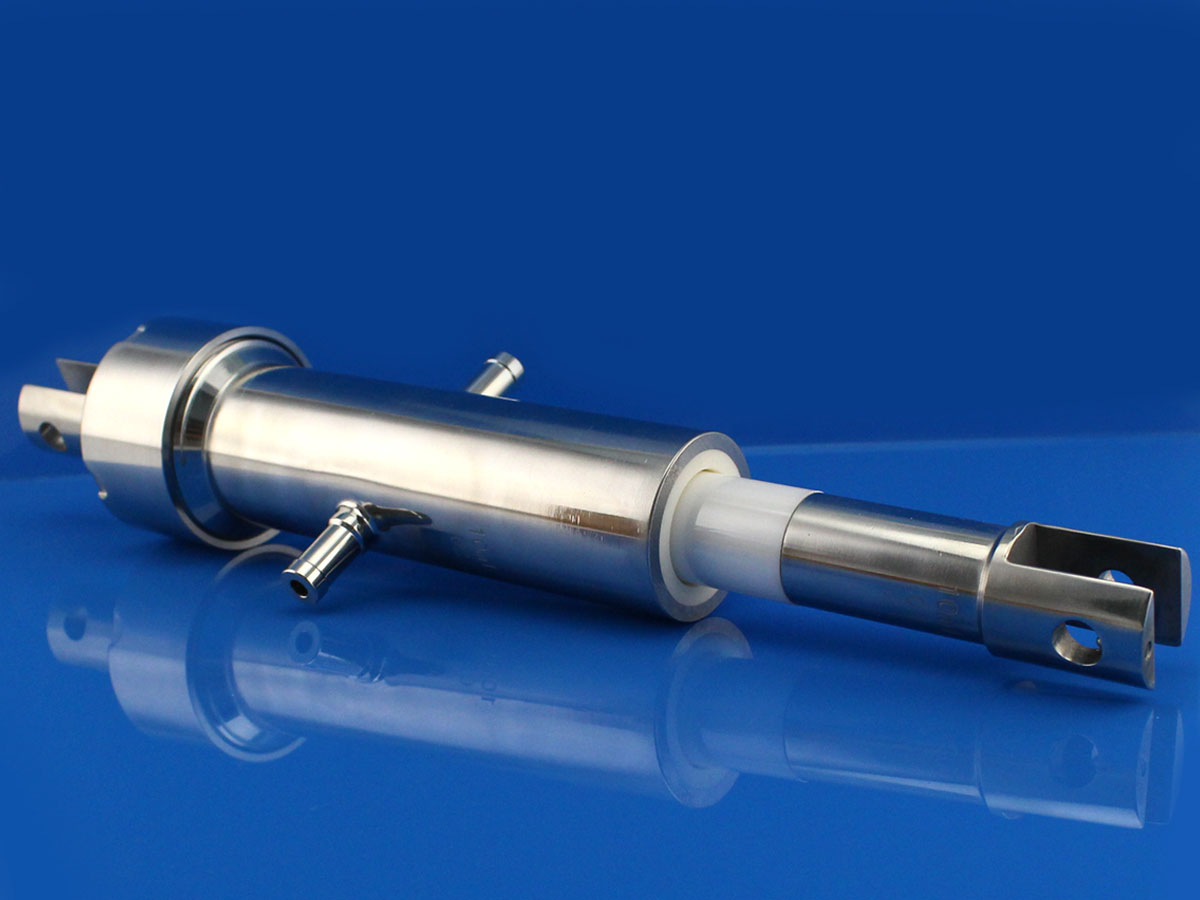
Ceramic Filling Pump

Ceramic Filling Pump

More Details
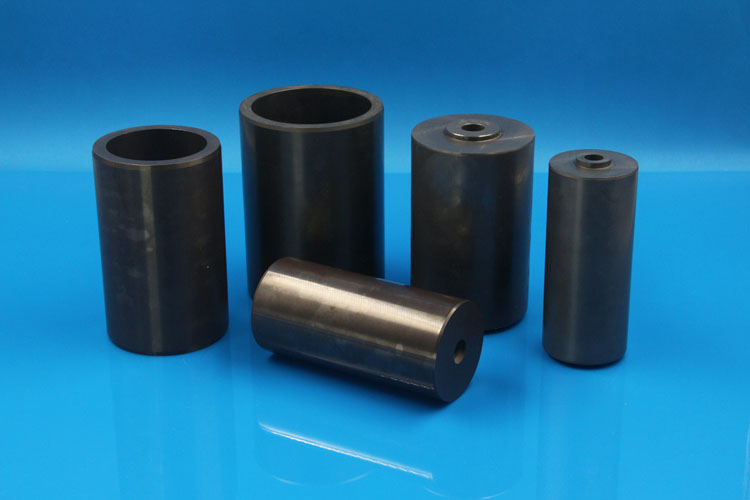
Ceramic Pistons and Plungers

Ceramic Pistons and Plungers

More Details
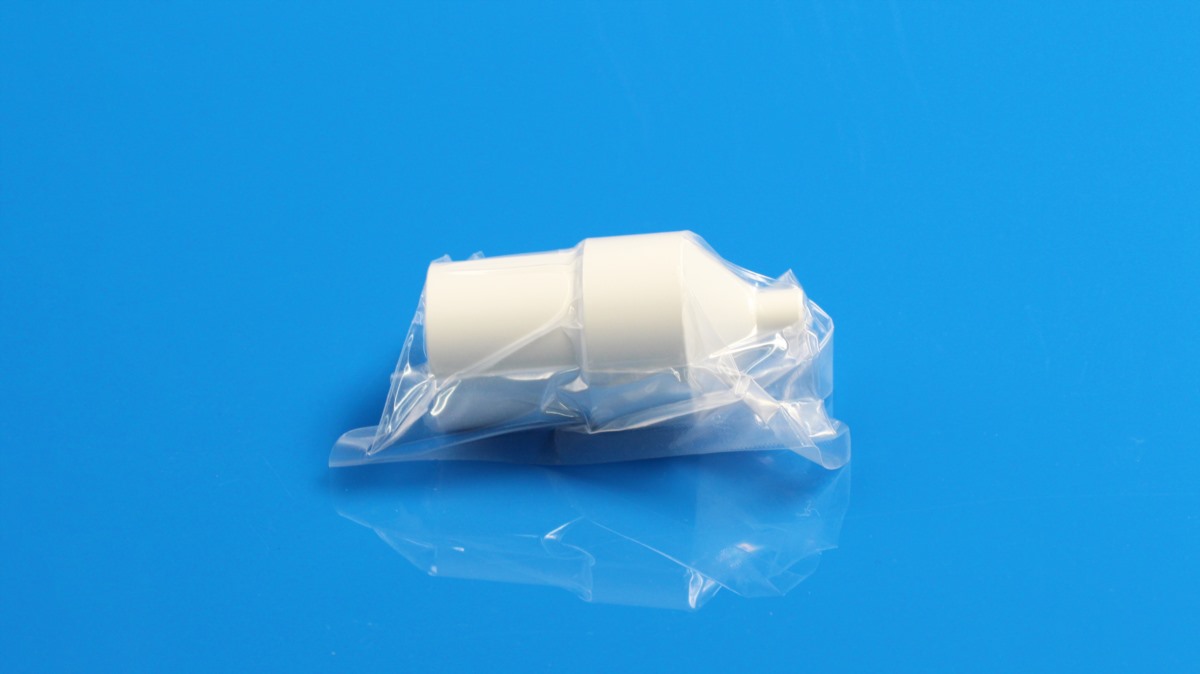
Boron Nitride Nozzles for Molten Alloy Processing

Boron Nitride Nozzles for Molten Alloy Processing

More Details
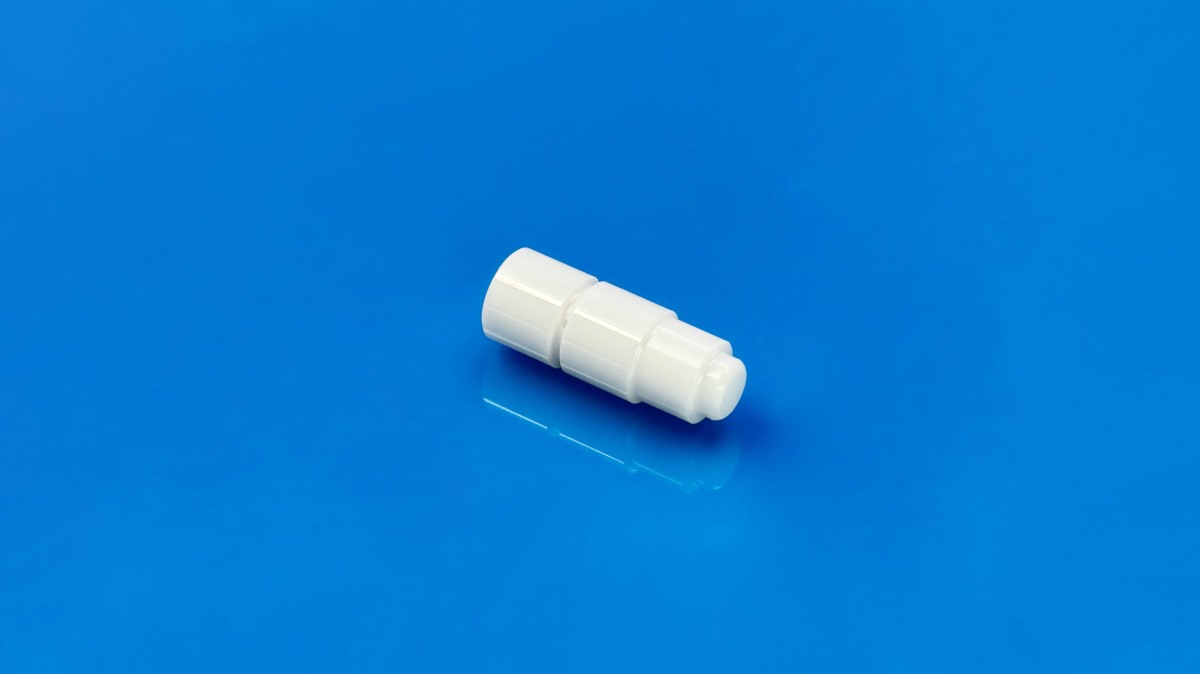
Ceramic Plunger For Diesel Engine

Ceramic Plunger For Diesel Engine

More Details
Application Scenarios

Advanced Ceramic Components for Precision Fluid Control

Technical ceramic valves, plungers, sleeves, seals and nozzles are selected for fluid systems that require wear resistance, corrosion resistance, dimensional stability and dependable performance under pressure, heat or aggressive media.

01

Precision Dosing, Filling & Metering Pumps

Alumina and zirconia ceramic pump components support accurate, repeatable liquid dispensing in pharmaceutical, cosmetic, food, chemical and laboratory filling systems. Hard, smooth ceramic surfaces help reduce wear, limit contamination and maintain stable metering performance over long production cycles.

Discuss Your Metering System
Innovacera zirconia ceramic metering pump for precision dosing and filling

Dosing · Filling · Metering

02

High-Pressure Pumps, Pistons & Plungers

Silicon nitride, zirconia, alumina and silicon carbide pistons, plungers and sleeves can be used in high-pressure pumps, water-jet systems, diesel injection equipment and industrial fluid machinery. Their hardness and low wear help preserve clearances and sealing performance during repeated reciprocating motion.

Innovacera silicon nitride ceramic piston and plunger for high-pressure fluid systems

High Pressure · Reciprocating Motion · Wear

03

Metal Atomization & Powder Production

Boron nitride and zirconia atomization nozzles guide molten alloys through controlled flow paths before gas atomization. Non-wetting behavior, thermal shock resistance and resistance to molten-metal attack support consistent powder production for powder metallurgy, additive manufacturing and specialty alloy processing.

Innovacera boron nitride atomizer nozzles for molten metal powder production

Molten Metal · Powder Metallurgy · 3D Printing

04

Beverage Dispensing & Ceramic Valve Control

Alumina ceramic valve cores are used in beverage dispensing and fluid-control assemblies to regulate liquid flow and support reliable shut-off. Their wear resistance, corrosion resistance, smooth sealing surfaces and dimensional stability help maintain consistent operation through repeated opening and closing cycles.

Innovacera alumina ceramic valve cores for beverage dispensing and precision fluid control

Beverage Dispensing · Flow Regulation · Sealing

FAQ

Frequently Asked Questions About Fluid Control Ceramics

These answers cover ceramic material selection, media compatibility, sealing surfaces, tolerances and the information needed for a fluid-control component review.

Which ceramic materials are commonly used for fluid control components?

Alumina is widely used for electrical insulation, chemical resistance and cost-effective wear performance. Zirconia offers high toughness and smooth sealing surfaces. Silicon carbide is considered for severe abrasion, corrosion and sliding wear. Silicon nitride combines strength, low density and thermal-shock resistance, while boron nitride is selected for high-temperature, non-wetting contact with molten metals. Material selection should be based on media, temperature, pressure, motion and required service life.

How do I confirm compatibility with the process fluid or gas?

Provide the exact liquid, gas, slurry or molten metal composition, including concentration, pH, additives, possible contaminants and cleaning agents. Also include continuous and peak temperature, pressure, flow velocity and exposure time. Innovacera can then review material compatibility and identify whether wear, corrosion, thermal shock or contamination control is the main design driver.

Can ceramic valves, plungers, sleeves and nozzles be customized?

Yes. Components can be reviewed from customer drawings for custom outside diameters, bores, tapers, grooves, slots, sealing faces, threaded or bonded interfaces and complex flow paths. The design should account for ceramic manufacturing limits, wall thickness, edge strength, assembly method and inspection requirements.

What surface finish and tolerance information is important?

Critical sealing and sliding surfaces should be identified on the drawing. Specify dimensional tolerances, roundness, cylindricity, concentricity, flatness, surface roughness, lapping or polishing requirements and any matched-pair clearance. Clear identification of datum surfaces and inspection methods helps prevent ambiguity during technical review.

Are ceramic components suitable for high-pressure and abrasive service?

Technical ceramics are often selected for hard particles, repeated sliding contact and pressure-driven flow because they retain hardness and dimensional stability better than many metals and polymers. Suitability still depends on impact loading, stress concentration, mounting design, pressure cycling, particle size and the selected ceramic grade.

What information should be included in a fluid control component RFQ?

Send a dimensioned drawing or 3D model, preferred material if known, process media, temperature, pressure, flow rate, motion type, sealing method, mating materials, surface finish, critical tolerances, expected service life, annual quantity and prototype timing. Existing failure information is also valuable when replacing a metal, polymer or previous ceramic part.


Why Innovacera

Engineering Support for Custom Fluid Control Ceramics

Innovacera supports ceramic fluid-control projects from material selection and manufacturability review through precision finishing, prototype validation and repeat production.

Media & Material Matching

Alumina, zirconia, silicon carbide, silicon nitride and boron nitride options can be reviewed against corrosion, wear, temperature and contamination requirements.

Precision Flow & Seal Surfaces

Support for controlled bores, lapped faces, polished sliding surfaces, matched clearances and dimensional features that influence leakage, flow and metering accuracy.

Custom Geometry & Integration

Ceramic parts can be developed around complex flow paths, metal housings, seals, shafts and joining methods while accounting for ceramic design and assembly constraints.

Prototype to Repeat Supply

Engineering samples and validation quantities can be followed by controlled batch production after drawings, inspection criteria and performance targets are confirmed.

RFQ Engineering Checklist

Share Your Media, Pressure, Flow and Drawing Requirements

To recommend a suitable ceramic material and manufacturing route, please provide the process media, temperature, pressure, flow conditions, component geometry, sealing method and expected operating life.

For replacement parts, include the existing material, failure mode and mating component information. A dimensioned drawing or 3D model will help review critical bores, seal surfaces, clearances and assembly interfaces.

Submit Fluid Control Component RFQ
Recommended RFQ Information
  • Media & temperatureLiquid, gas, slurry or molten metal composition; continuous and peak temperature; cleaning media.
  • Pressure & flow pathOperating pressure, flow rate or velocity, cycling conditions, bore size and direction of flow.
  • Geometry & sealing surfacesDrawing, tolerances, roughness, clearances, lapped faces, mounting and mating materials.
  • Application & quantityEquipment type, motion, service-life target, current failure mode, sample quantity and annual demand.

Review this product family for your project.

Send drawings, operating conditions, material preference, tolerance targets and quantity. Innovacera can review standard catalog products or custom ceramic manufacturing paths.