

Vacuum Hermetic Ceramic Solutions
Ceramic-to-metal interfaces, metallized ceramics and insulators for sealed electrical and vacuum assemblies.
Vacuum and Hermetic Designing
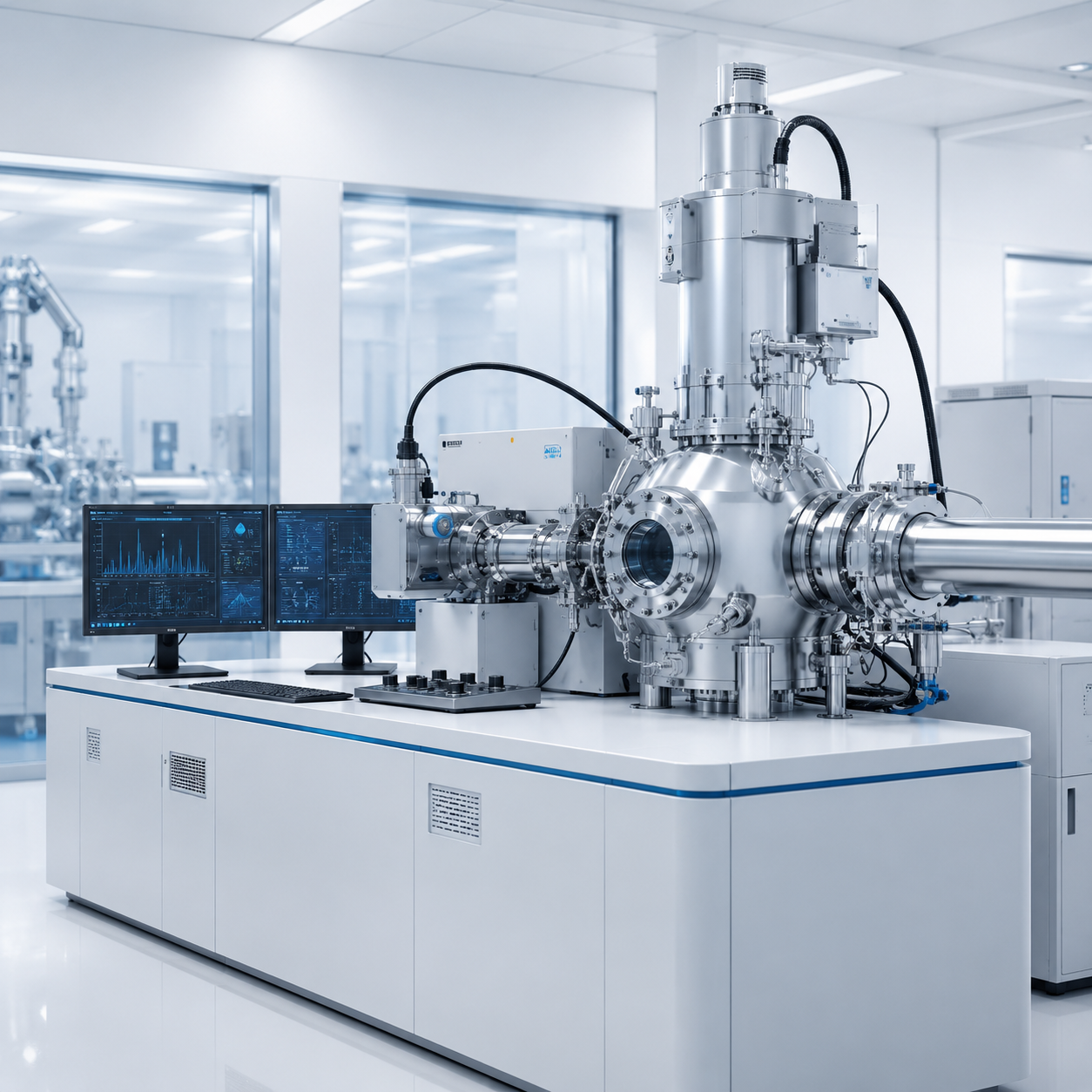
Ceramic-to-metal sealing, vacuum feedthrough, hermetic insulation and structural ceramic solutions for vacuum equipment, scientific instruments, semiconductor processes and high-reliability electrical connections.
High vacuum, pressure difference, high temperature, corrosion or high voltage
Alumina, AlN, metallized ceramics, Kovar and stainless steel
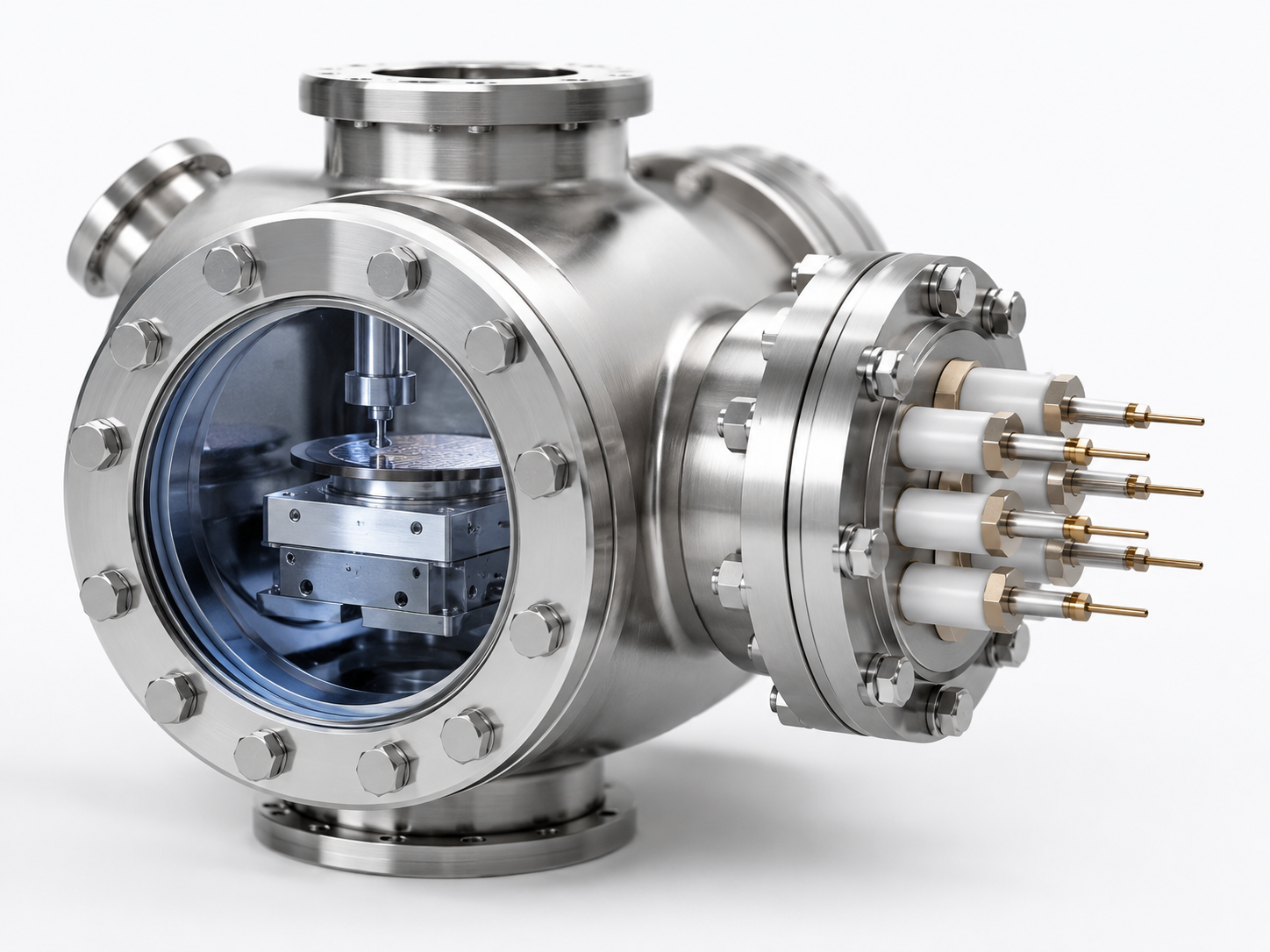
Feedthroughs, ceramic-to-metal assemblies and hermetic connectors
Semiconductor tools, mass spectrometers, vacuum furnaces and research systems
Seal Design
Define sealing structure based on vacuum level, pressure difference, temperature, voltage and mounting conditions.
Material Match
Select alumina, AlN or other ceramics and match them with Kovar, stainless steel, molybdenum or other metals.
Interface Control
Use metallization, brazing or glass sealing to control interface strength and hermetic performance.
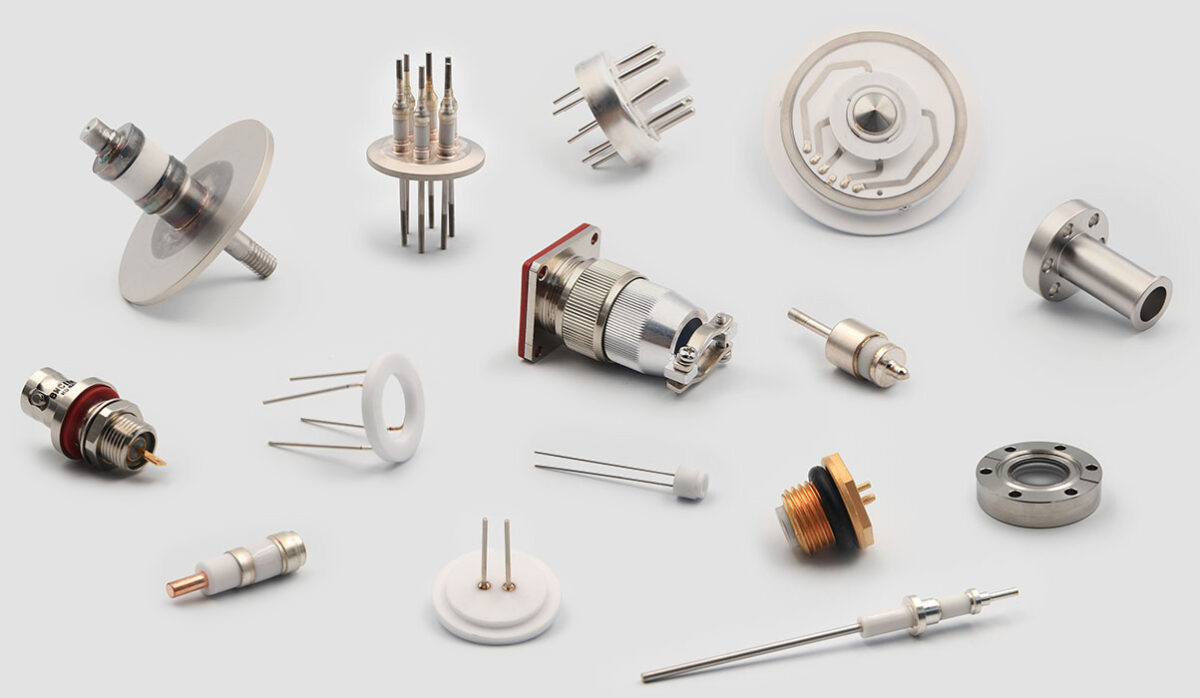
Product & Application Gallery
Material Selection Guide
Values and performance limits vary by grade and test method. The table is a selection direction rather than a standalone specification.
| Material | Best-fit role | Typical applications | Design notes |
|---|---|---|---|
| High-purity Alumina | Primary insulator for vacuum and high-voltage feedthroughs | CF/KF feedthroughs, rings, tubes | Purity, surface condition and metallization geometry affect sealing. |
| Aluminum Nitride | Electrical insulation with improved heat transfer | High-current or thermally loaded feedthroughs | Joining and metallization route require careful process control. |
| Kovar | CTE-compatible transition metal | Pins, sleeves and housings | Often plated or brazed after dimensional preparation. |
| Stainless Steel | Flanges and structural housings | KF/CF assemblies and vacuum hardware | Grade, weldability and braze design must match the environment. |
| Molybdenum | High-temperature conductor with compatible expansion | High-current pins and furnace feedthroughs | Review brittleness, brazing and terminal design. |
Component Solutions
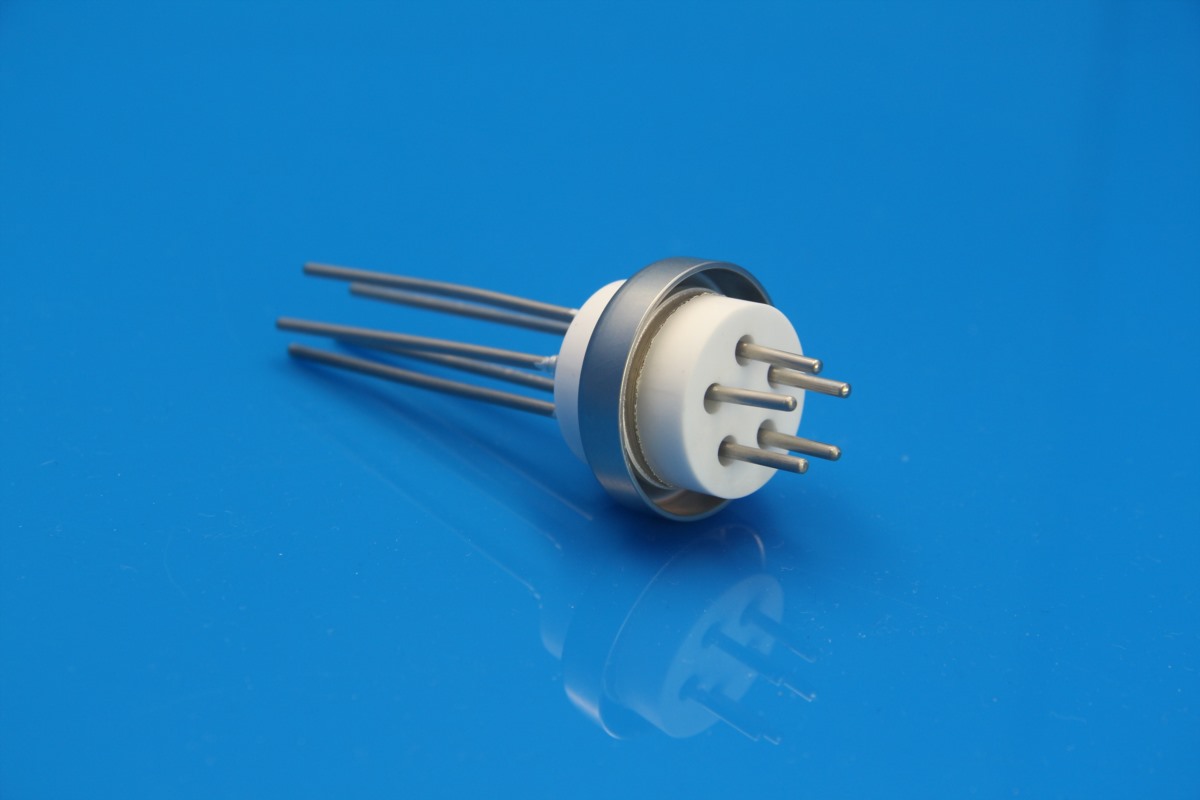
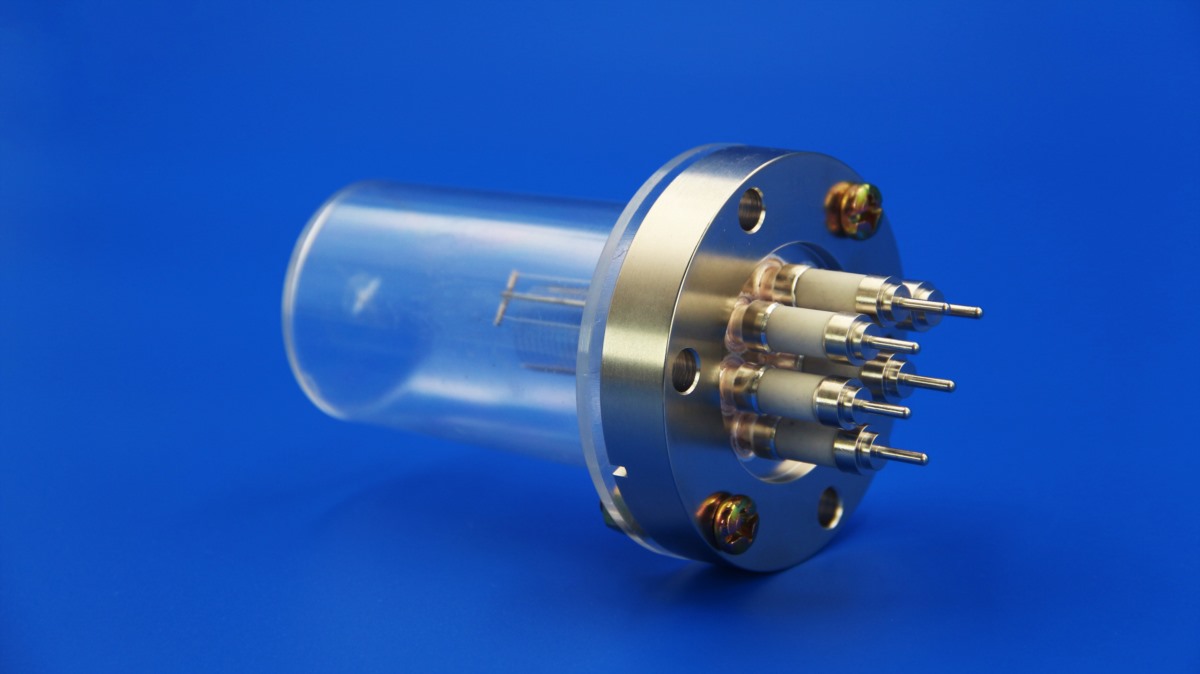
Single and multi-pin vacuum feedthroughs
Custom feedthroughs carry power or electrical signals through vacuum walls while maintaining insulation and leak-tight performance.High-voltage feedthroughs
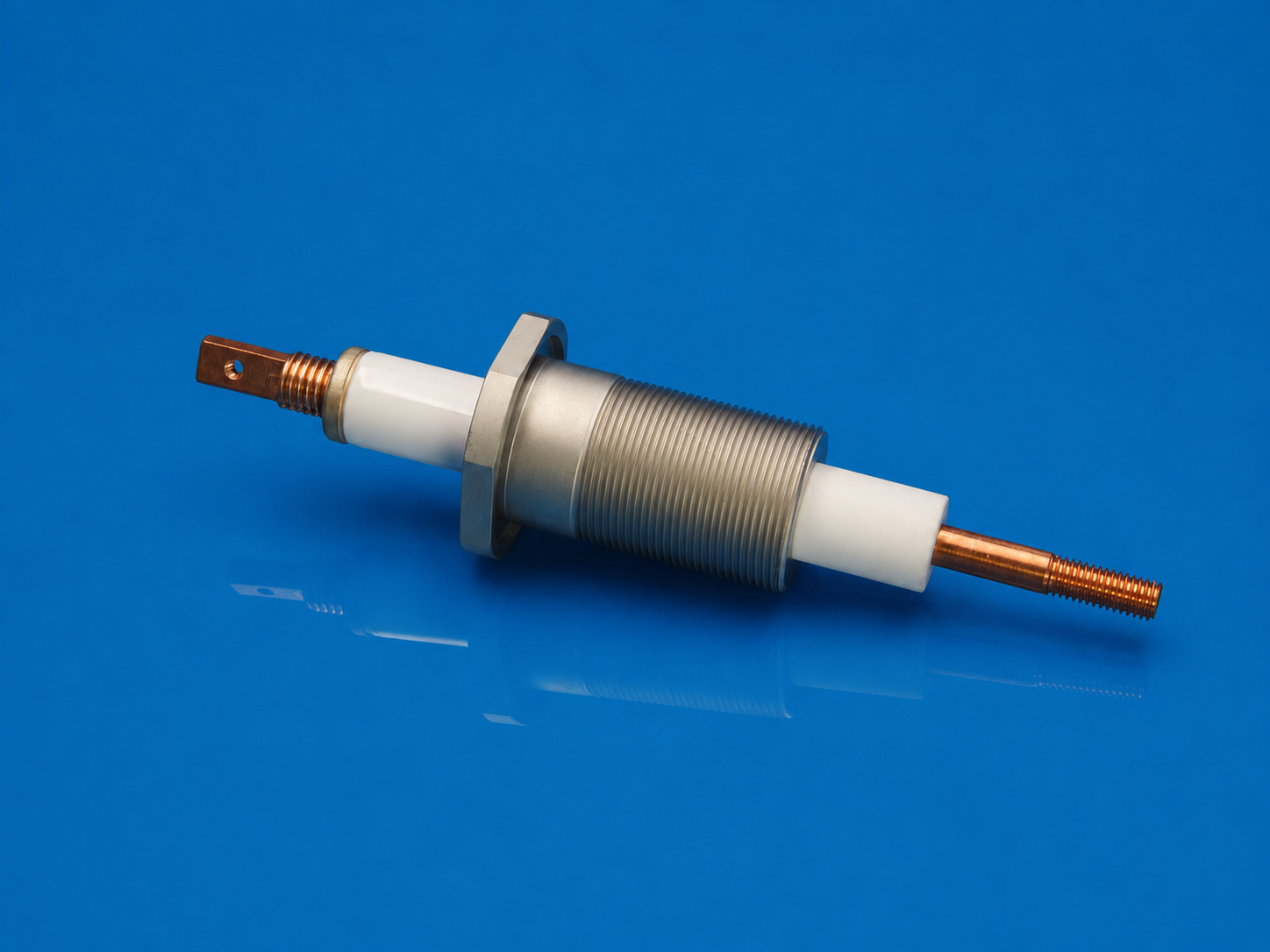
Provide reliable electrical transmission through vacuum or sealed boundaries while maintaining dielectric insulation and hermetic performance.KF and CF flange assemblies
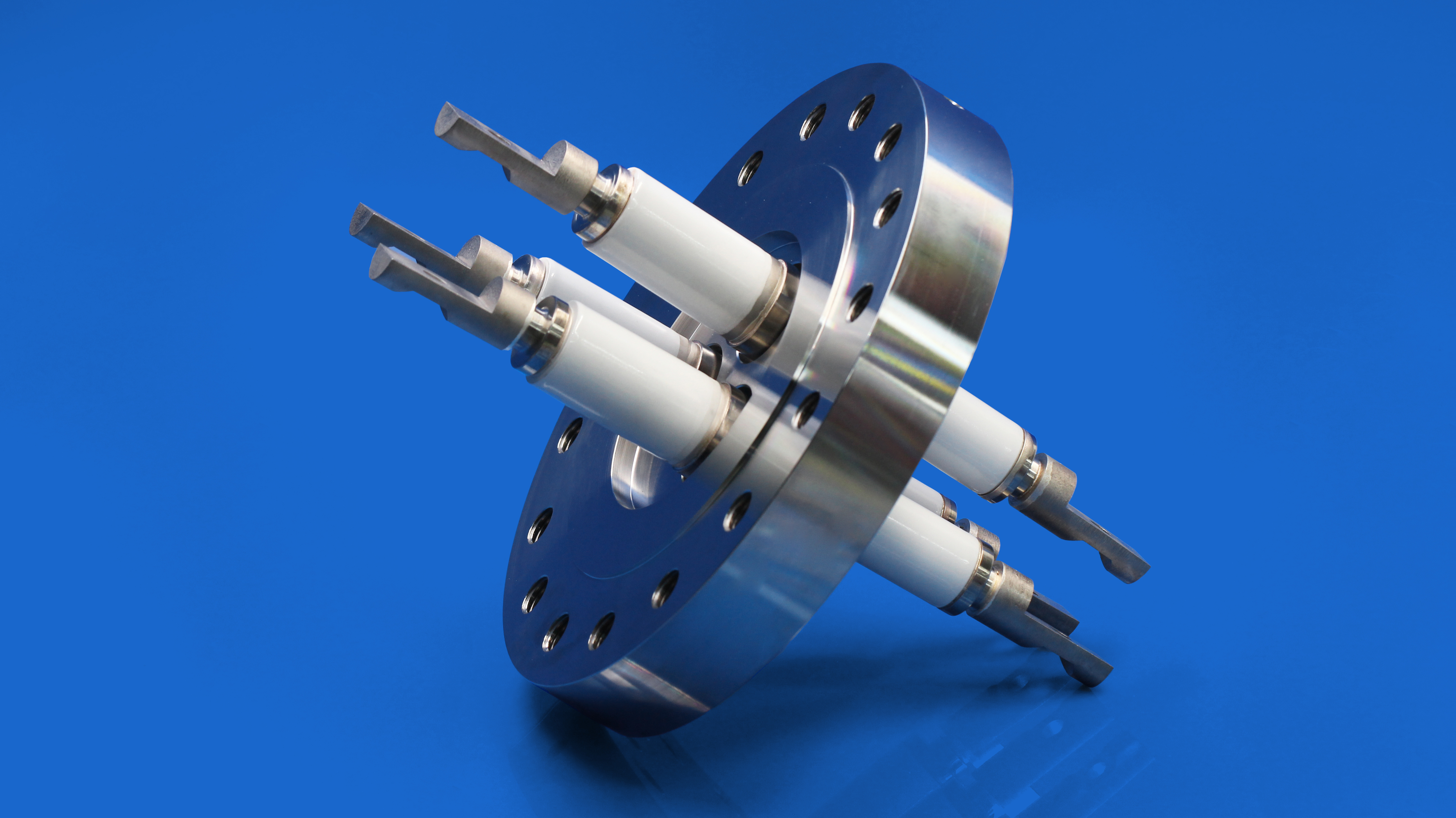
Custom flange assemblies integrate ceramic insulators, conductors and metal housings for specific vacuum system interfaces.Metallized ceramic rings and tubes
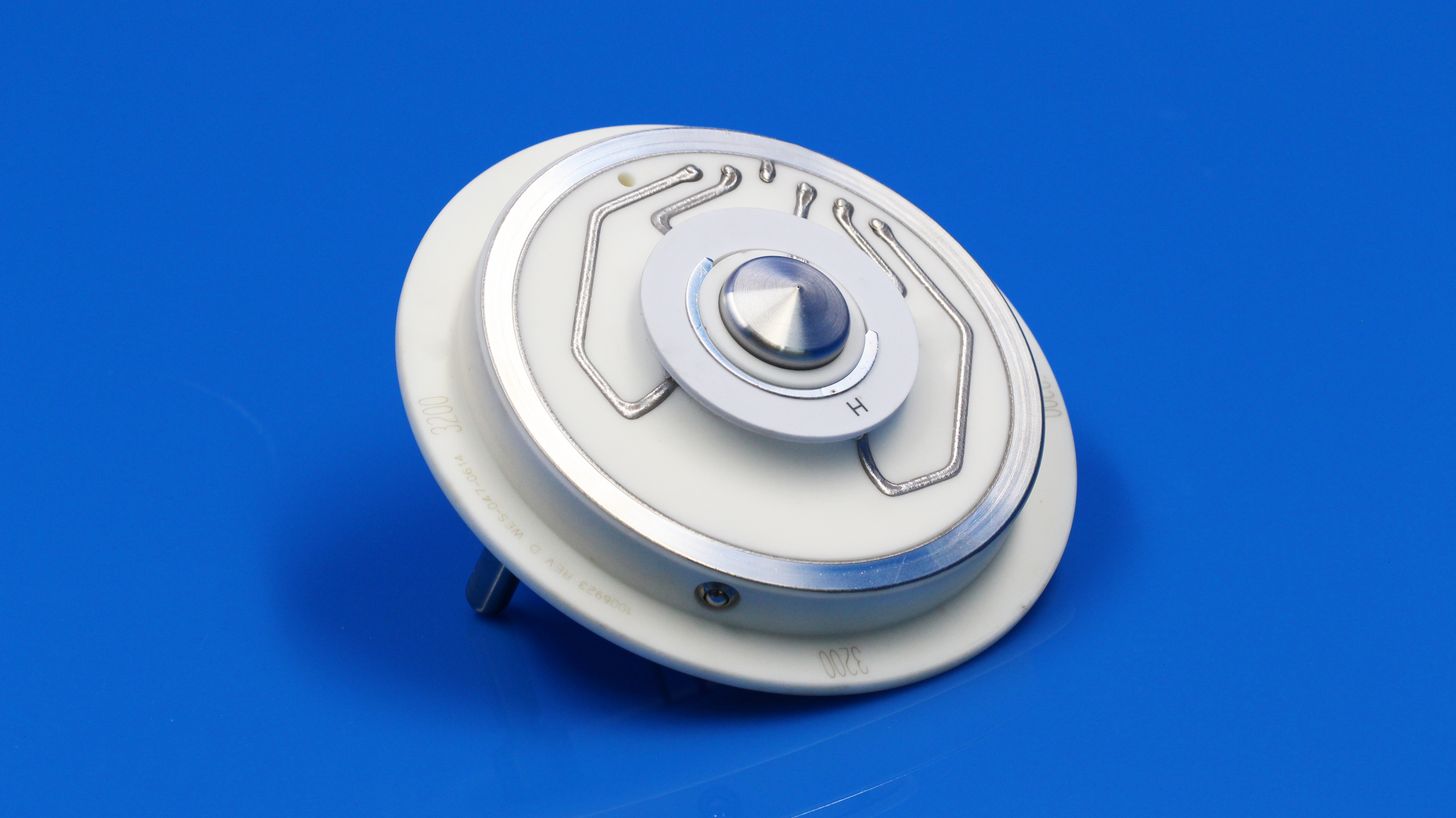
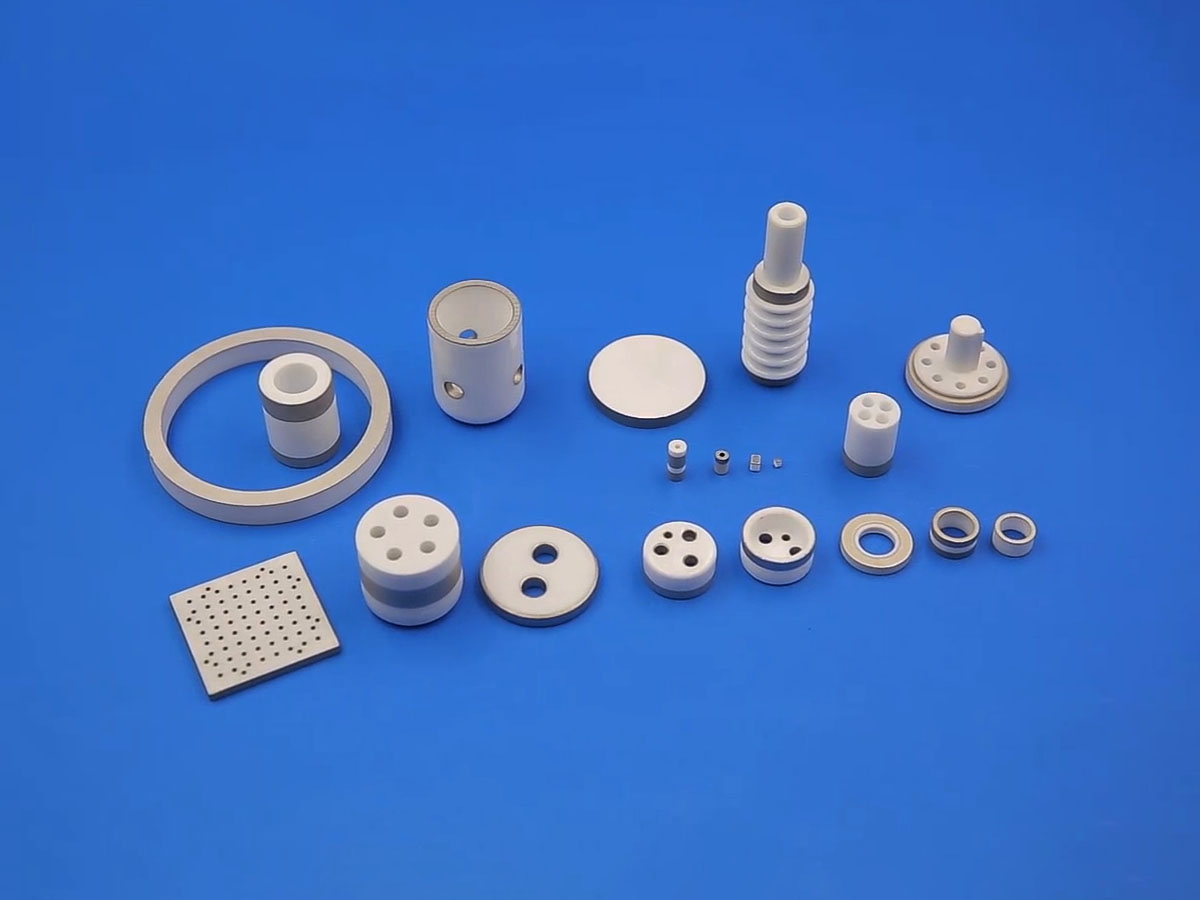
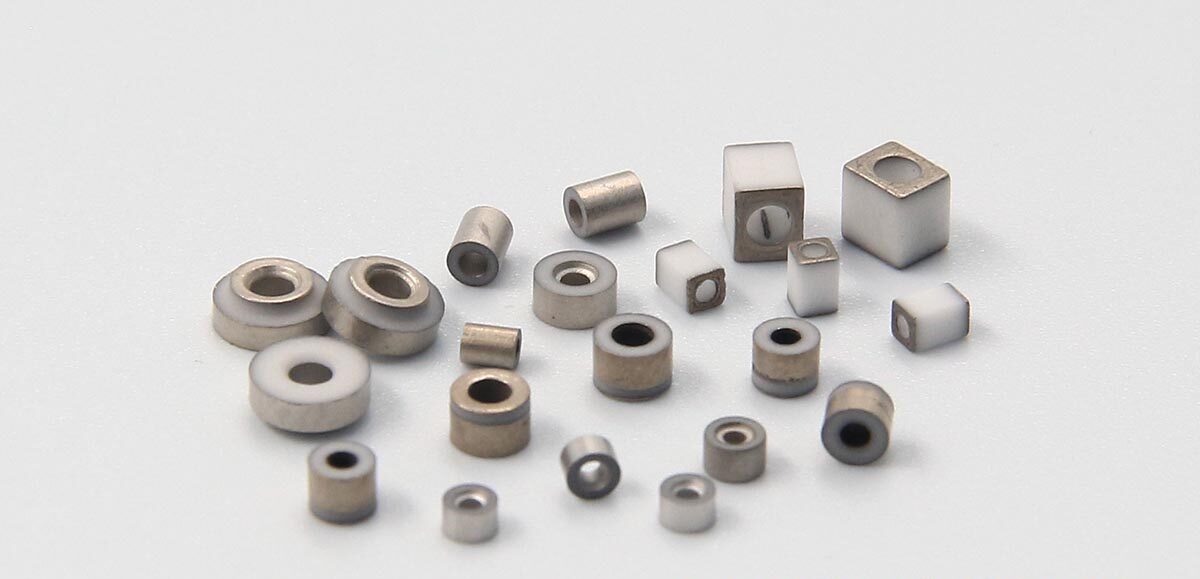
Metallized ceramic components create brazeable interfaces for strong and vacuum-tight ceramic-to-metal connections.Hermetic connectors & electrodes
Enable stable electrical transmission in vacuum, pressure and controlled-atmosphere systems.Ceramic-to-metal assemblies
Hermetically joined ceramic and metal components provide electrical insulation, structural strength and reliable vacuum sealing.Challenges & Ceramic Solution Selection
A problem-oriented guide for selecting ceramic materials and component structures according to the operating conditions, reliability targets and application requirements.
| Customer Challenge | Recommended Ceramic Solution |
|---|---|
| Vacuum leakage risk | Use ceramic-to-metal hermetic sealing or glass-ceramic sealing structures. |
| High-voltage wall penetration | Select high-purity alumina insulators with metallized feedthrough structures. |
| Vacuum with thermal load | Evaluate AlN or structural ceramics for both heat transfer and insulation. |
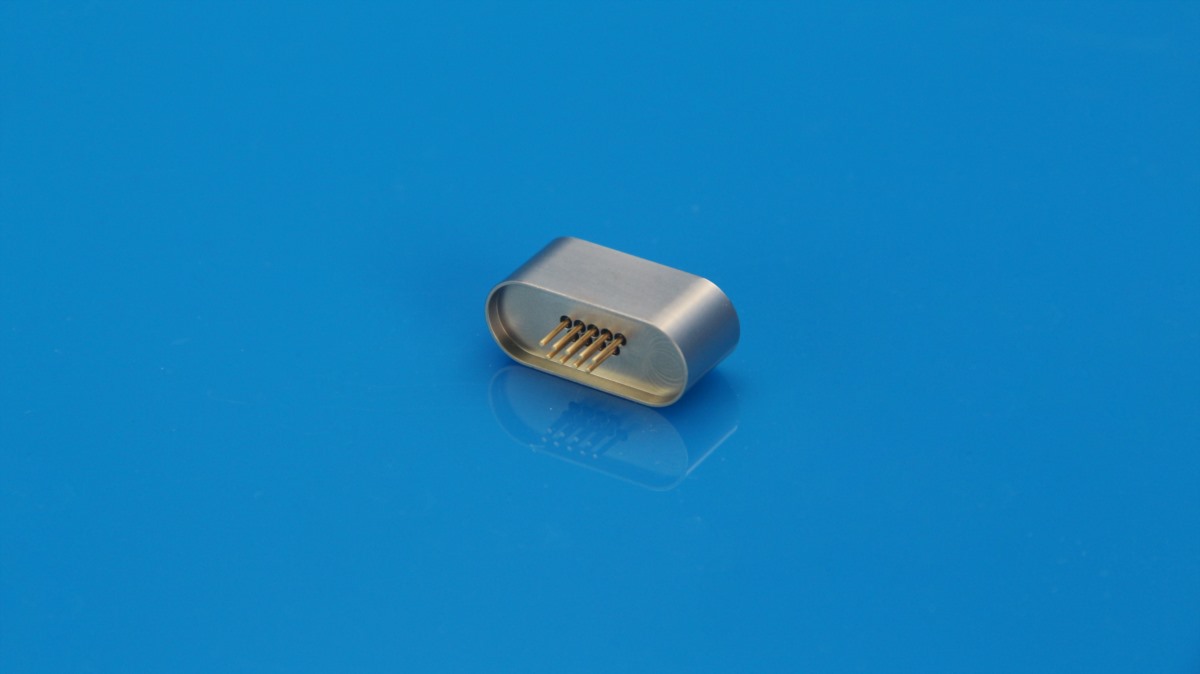
| Multi-pin signal connection | Design multi-pin hermetic connectors or D-sub / Micro-D feedthrough solutions. |
Frequently Asked Questions
What vacuum levels can hermetic ceramic assemblies support?
The design depends on leak rate, temperature and structure, and can be used in vacuum equipment, research instruments and semiconductor tools.
Why is ceramic-to-metal sealing important?
Ceramics provide insulation and temperature resistance, while metals provide connection and structural strength.
Can you make multi-pin feedthroughs?
Yes. Pin count, voltage, current, flange type and mounting space can be customized.
What information is needed for review?
Please provide drawings, leak-rate target, vacuum level, voltage/current, temperature, material restrictions and quantity.
Related ceramic products.
related products are matched to this engineering solution in the current catalog.

Start Your Engineering Review.
Provide your project details, development stage, operating conditions, expected annual volume and drawings (if available). Our engineers will review feasibility, recommend suitable materials and support the most efficient path from prototype to production.