

Oil & Gas
Ceramic seals, sleeves, valve parts and sensor insulators for oil and gas equipment exposed to abrasive fluids, pressure, corrosion and temperature change.
Engineering requirements behind Oil & Gas ceramic components
Oil and gas equipment often fails at wear, sealing, corrosion and pressure-loaded contact points. Ceramic materials can extend service life when the geometry, surface finish and operating media are reviewed together.
- Operating conditions
- Component requirements
- Material selection
- Manufacturing support
Where Ceramic Components Are Used in Oil & Gas Equipment
Use this section to match your equipment type with typical ceramic parts and the key requirements we should review before quoting.
Application review
Material direction
Manufacturing path
Engineering Review Notes for Oil and Gas Ceramic Parts
Oil and gas ceramic components must be selected for the actual service environment. Abrasion, corrosion, pressure, temperature and sealing geometry all affect whether a ceramic part can improve service life.
Information to share before material review
- Equipment type, media composition, abrasive particles, pressure, temperature and operating cycle.
- Drawing, sealing surface, sliding contact area, wall thickness and tolerance requirements.
- Current failure mode, such as wear, leakage, corrosion, cracking or loss of insulation.
- Quantity, replacement schedule, inspection method and whether the part is a retrofit or new design.
How we use this information
- Review whether zirconia, alumina, silicon carbide or silicon nitride is the practical material selection.
- Check sealing surfaces, sliding contacts and high-stress geometry for manufacturability and risk.
- Identify whether surface finish, roundness, flatness or edge protection should be specified before quoting.
What Innovacera can support
Innovacera supports harsh-service ceramic sleeves, seals, valve parts, insulators and custom components for oil and gas equipment.
Related ceramic products.
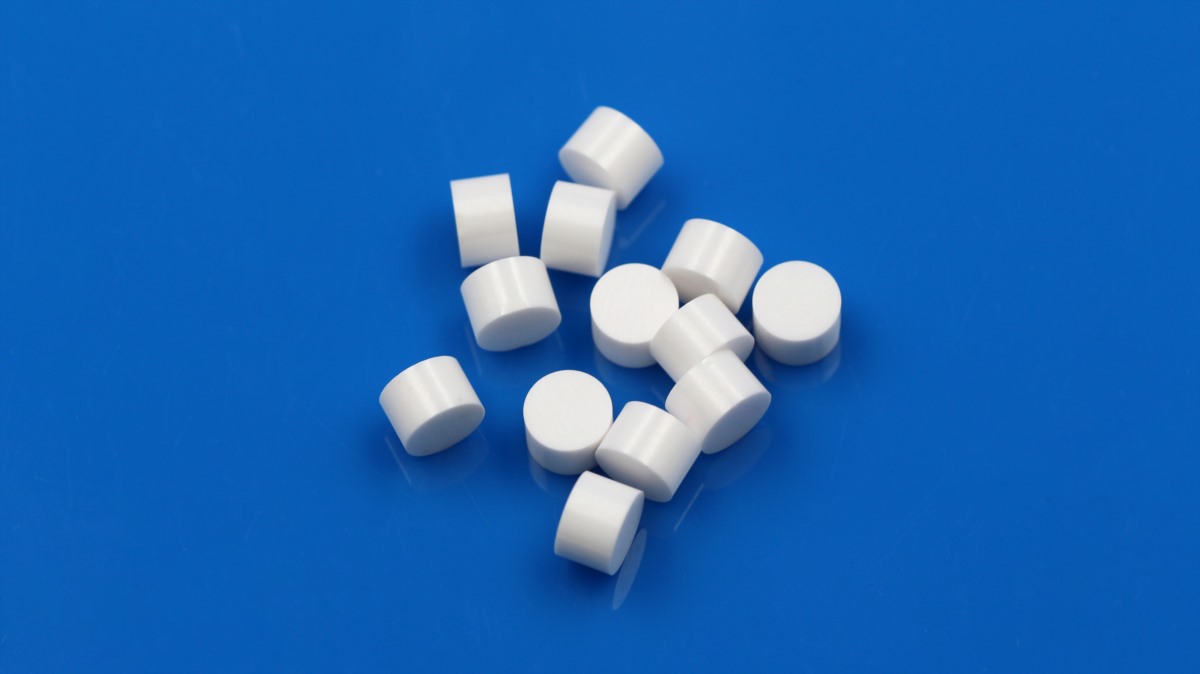
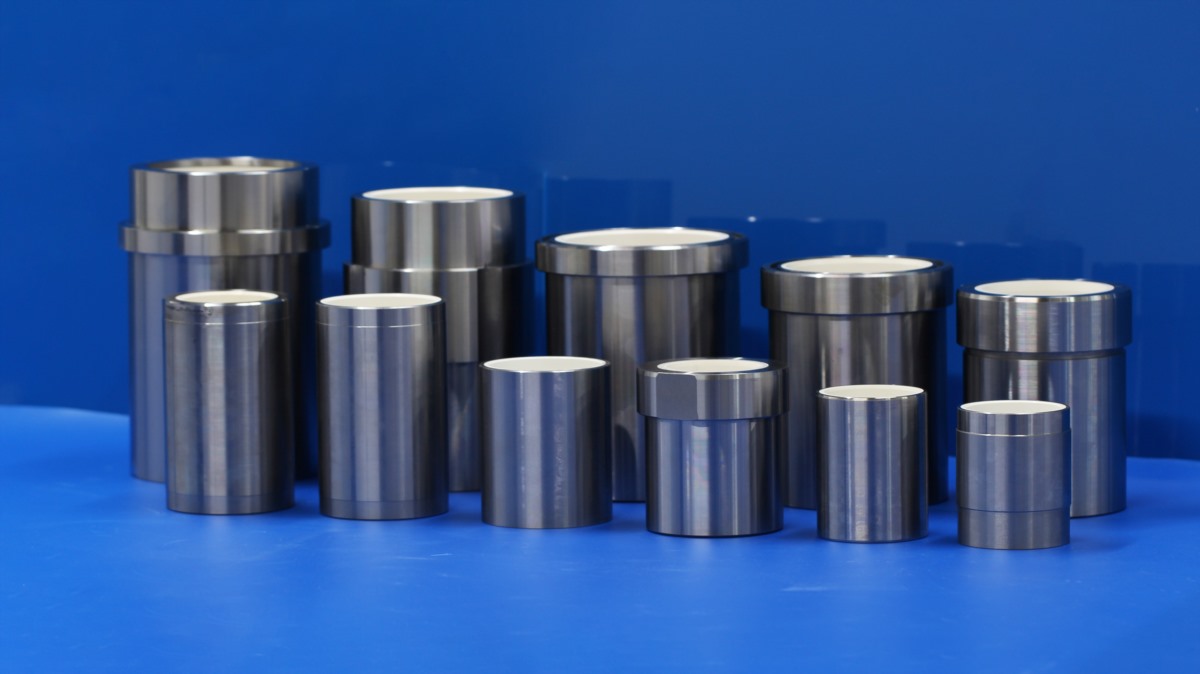
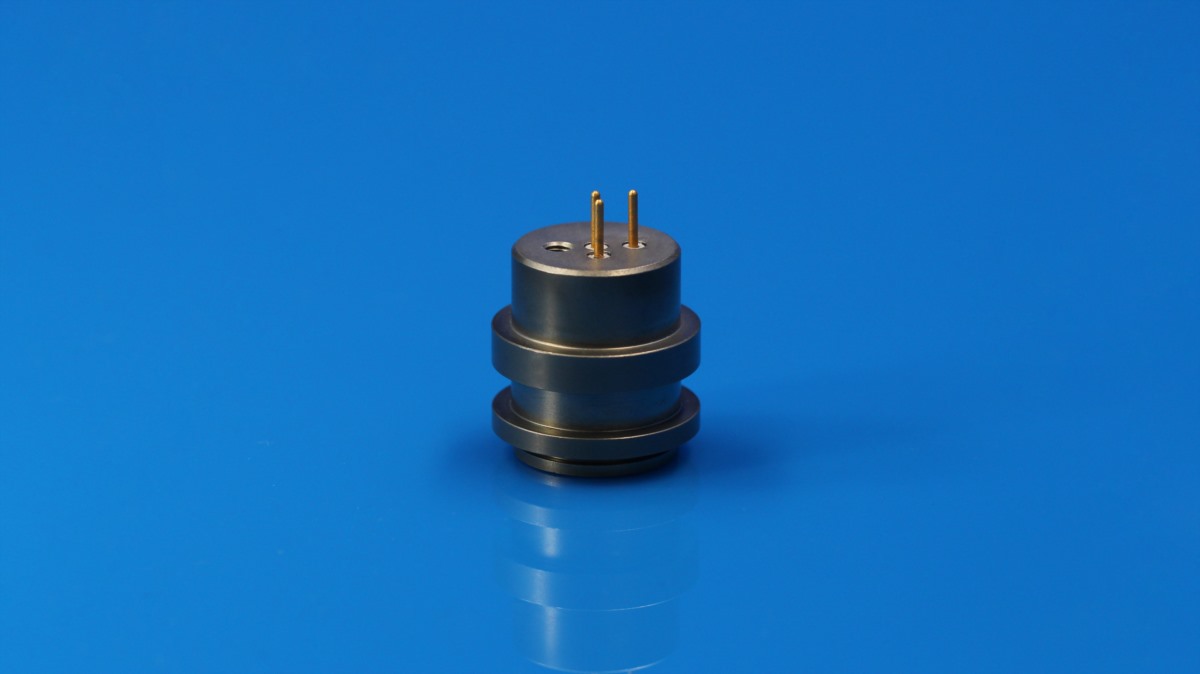
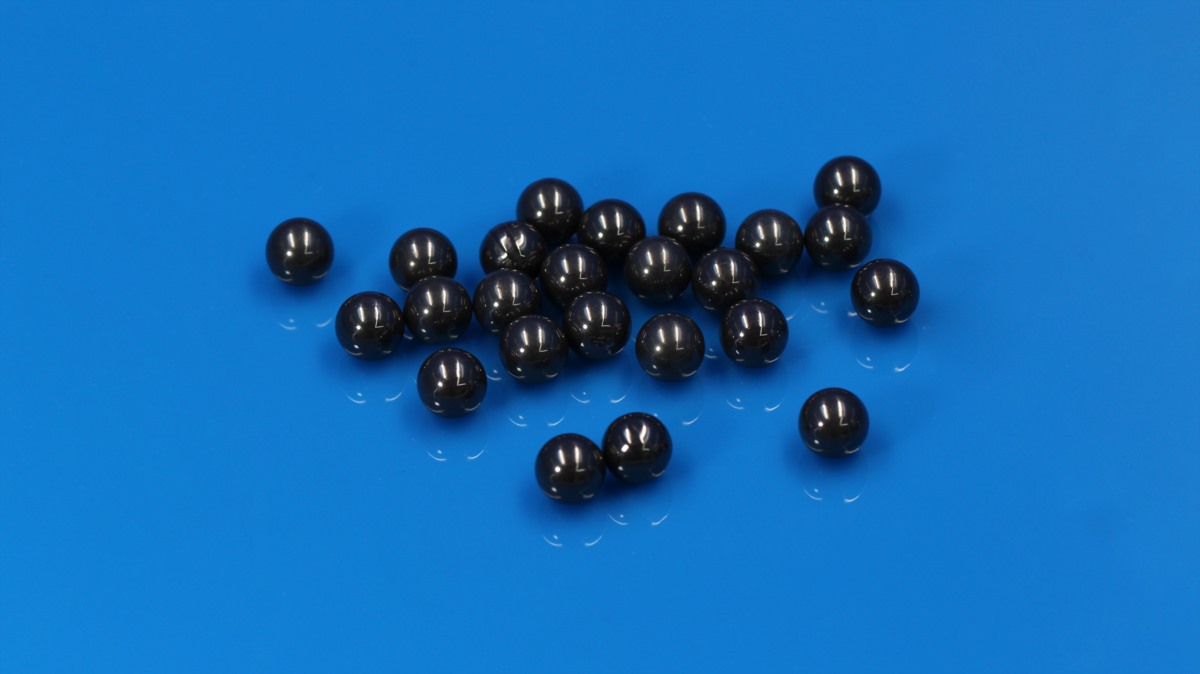
4 related products are tagged to this application field in the current catalog. Use them as starting points for standard review or custom manufacturing discussion.
Start with the conditions. We will help review the ceramic path.
Share your operating conditions, performance requirements, and design challenges. We' Il help identify the optimal ceramic solution.