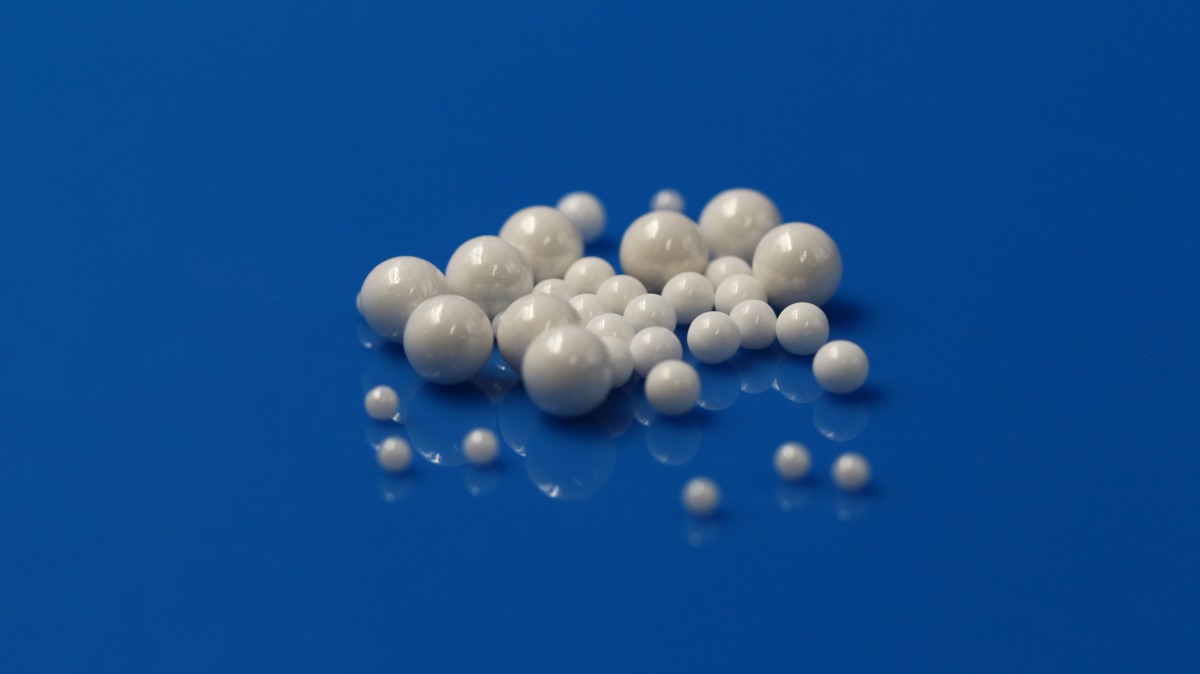
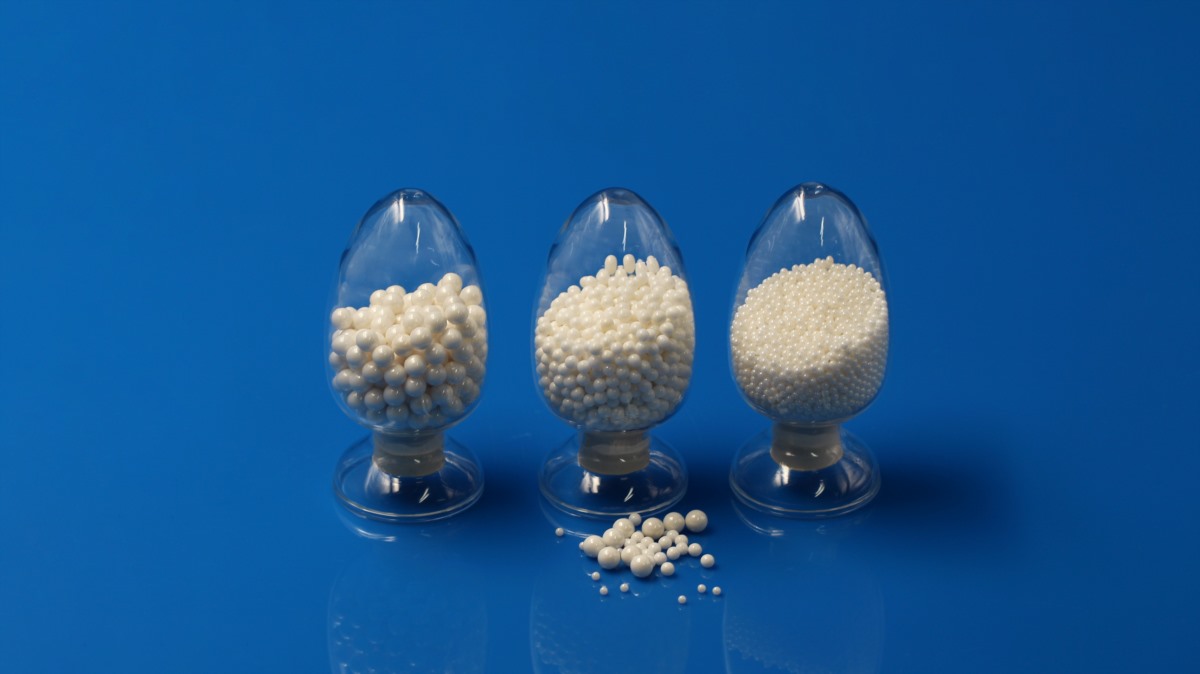
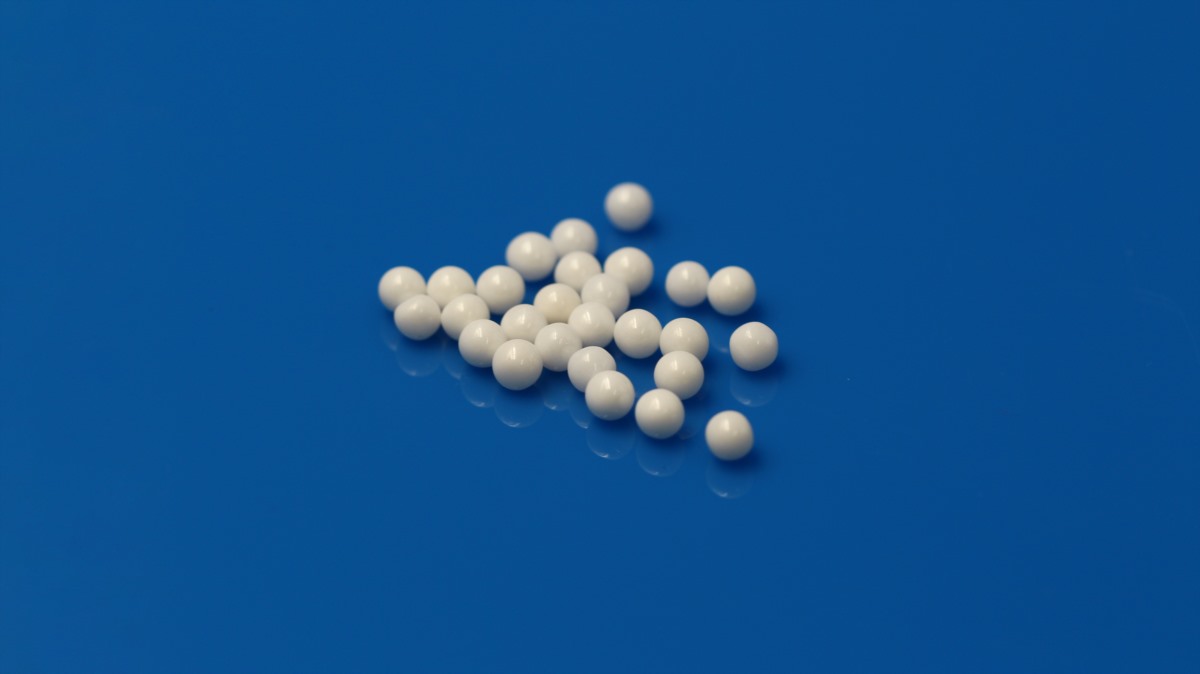
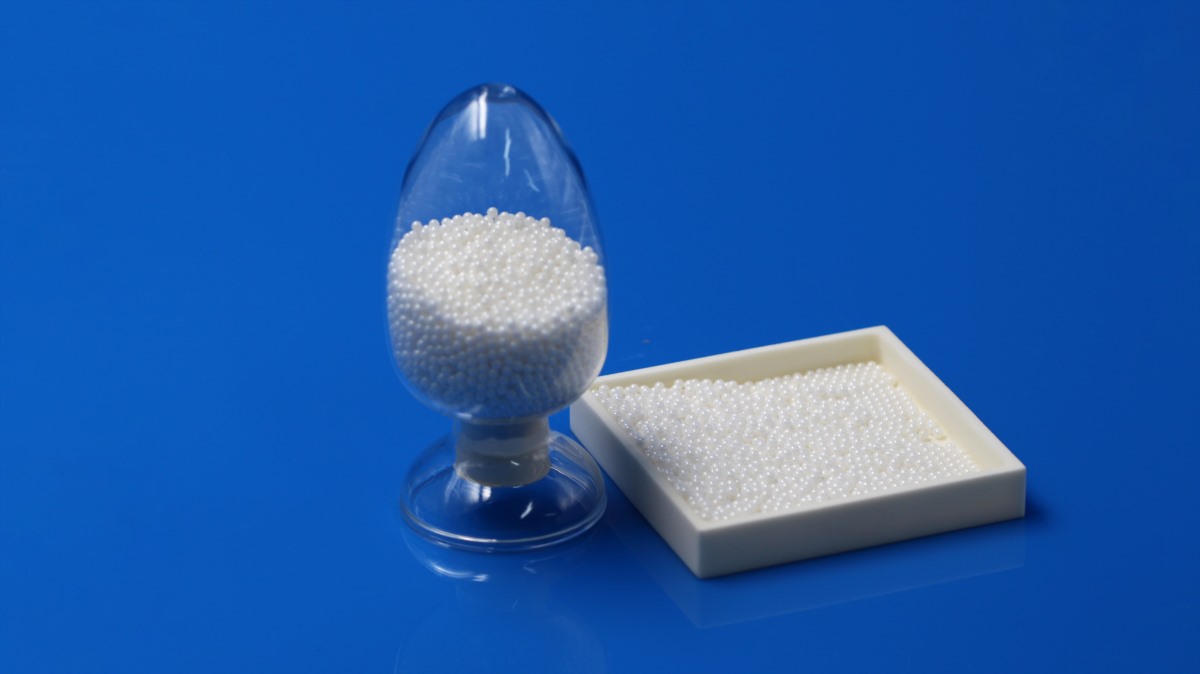
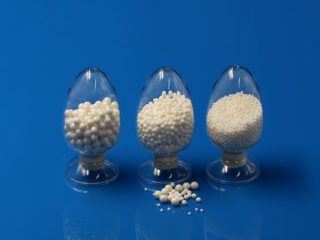
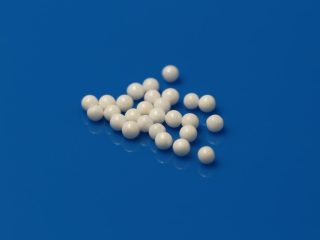
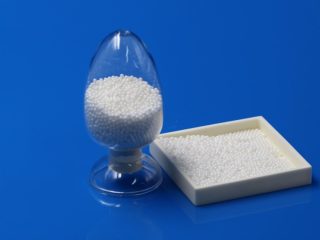
Zirconia ceramic grinding balls are a type of highly efficient grinding medium that is commonly used in industrial production and laboratories. The small balls, made through high-temperature firing, are specifically designed to "grind" or "break up" the materials in various ball mills, agitator mills or sand mills.
Features:
1.Good roundness, smooth surface, brightness, high density, high strengthinertia and hardness, perfect grinding medium.
2. With very low wear rate, grinding media can prevent the material from.
3. Very long service life which can decreases its comprehensive operating cost.
4. Good stability, strong acid resistance and alkali proof.
Applications
• Electronic ceramic
• Ink, paint, pigments, coating, dyes
• Food
• Cosmetic
• Pharmaceutical industry
Main Technical Data
| Property | Value |
|---|---|
| ZrO₂ | 94.6% |
| Color | White |
| Specific Density | ≥6.0 g/cm³ |
| Hardness | >10 GPa |
| Elastic Modulus | 205 GPa |
| Fracture Toughness | 7-10 MPa·m¹/² |
| Bending Strength | 1150 MPa |
| Grain Size | <0.5 μm |
| Thermal Conductivity | 2.5 W/(m·k) |
| Bulk Density | - |
| Thermal Expansion Coefficient | 9.6×10⁻⁶ (20-400°C) |
Frequently Asked Questions
What are zirconia ceramic grinding balls? What makes them an efficient grinding medium?
Zirconia ceramic grinding balls are high-performance industrial media made of 94.6% zirconium oxide (ZrO₂) through high-temperature sintering. They serve as an exceptionally efficient grinding medium due to their high specific density (≥6.0 g/cm³), extreme hardness (>10 GPa), and superior bending strength (1150 MPa). These properties allow them to generate powerful impact and shear forces in mills while maintaining an extremely low wear rate, which significantly reduces long-term operating costs.
What industries use zirconia grinding media? How do they ensure high-purity milling?
Zirconia grinding media are widely used in ultrafine grinding and dispersion for lithium battery materials, electronic ceramics, pharmaceuticals, food, cosmetics, and high-end coatings. They ensure high-purity milling through their exceptional wear resistance and chemical stability (acid and alkali resistance). By resisting fragmentation during high-speed rotation and maintaining a fine grain size (<0.5 μm), they minimize the introduction of impurities and prevent material contamination.