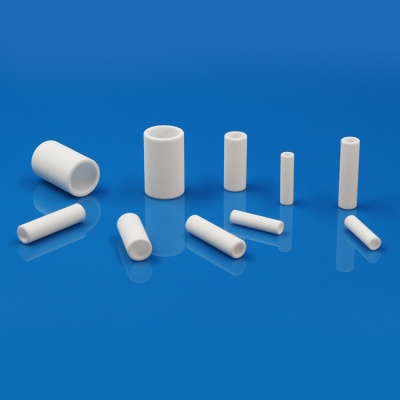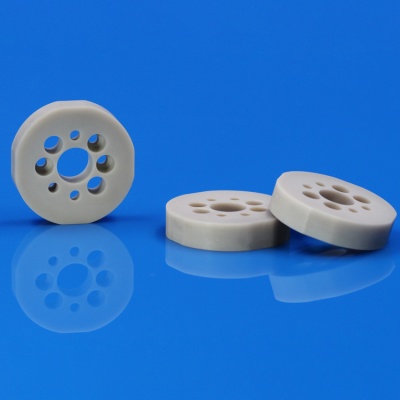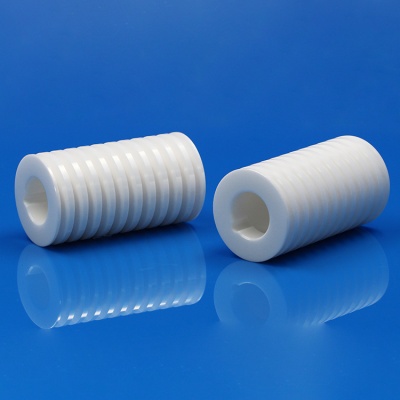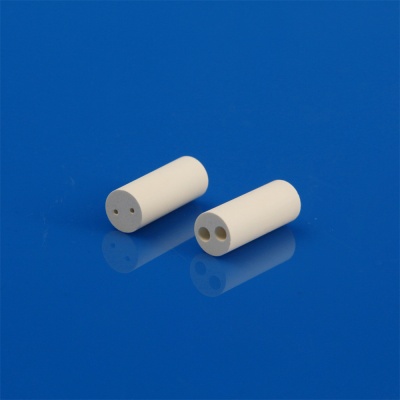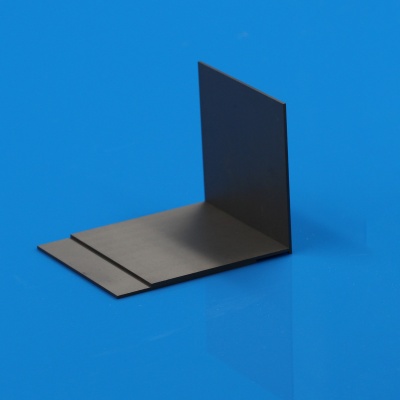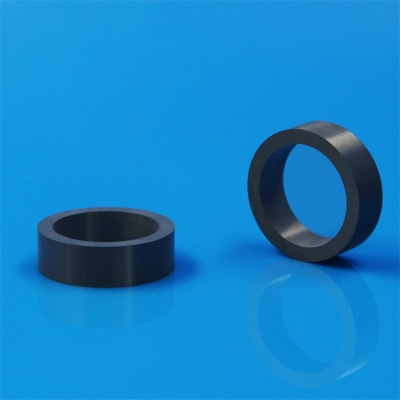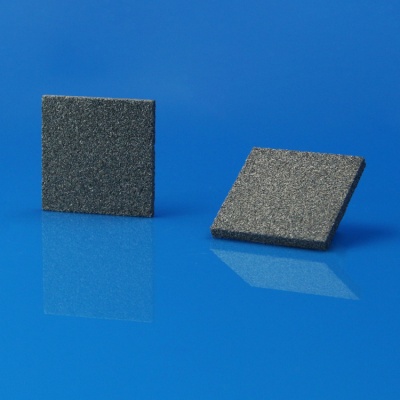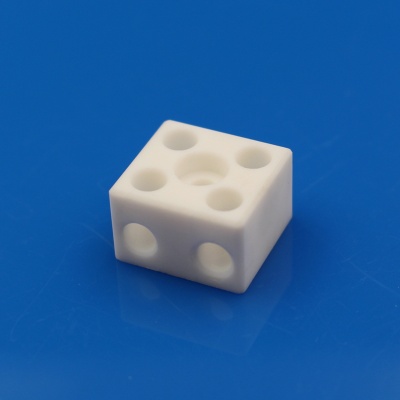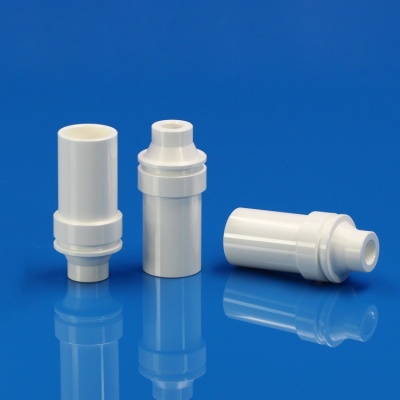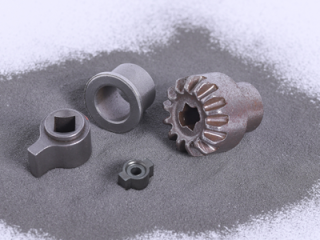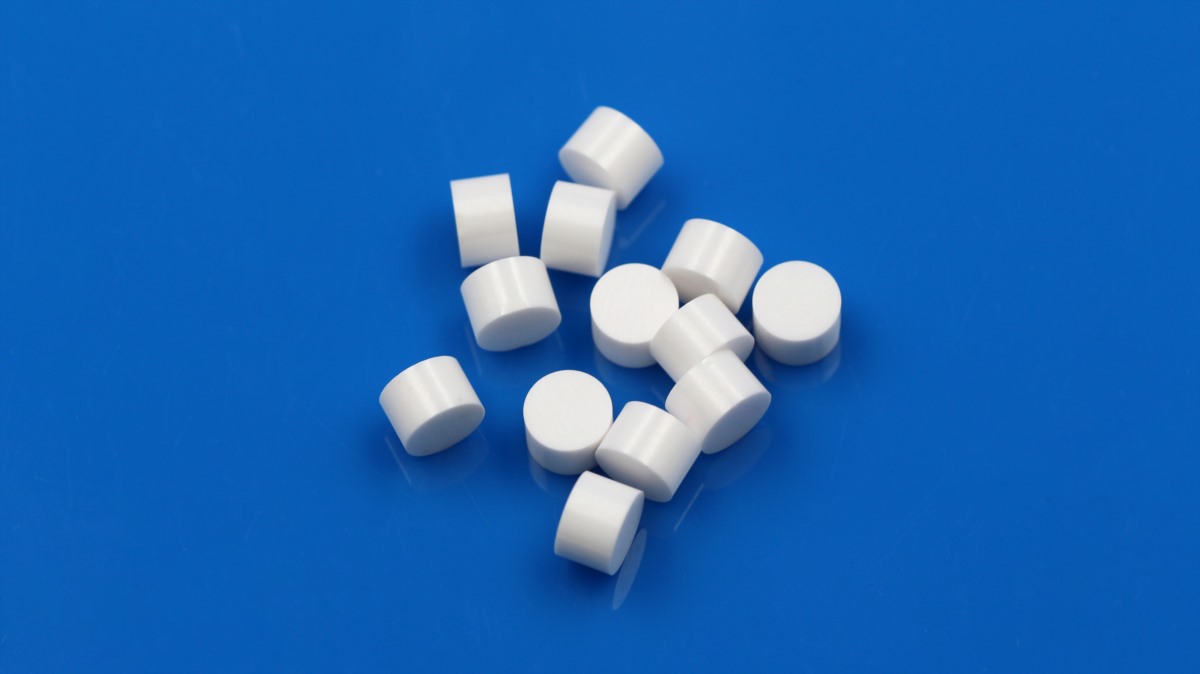
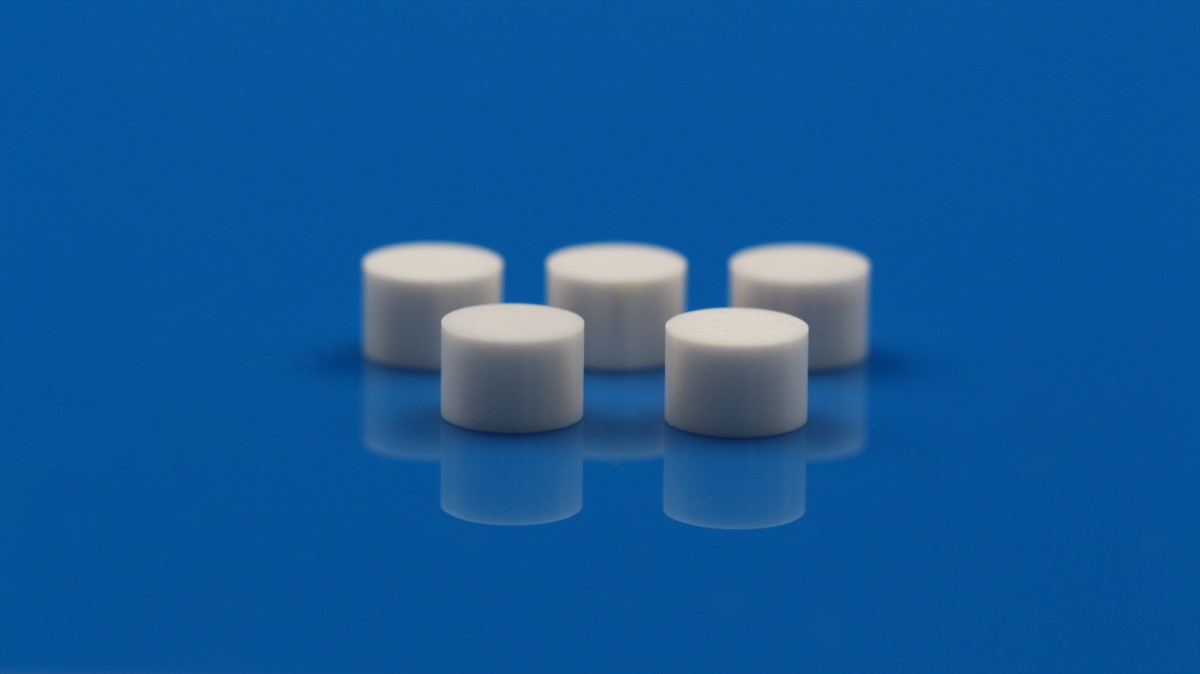
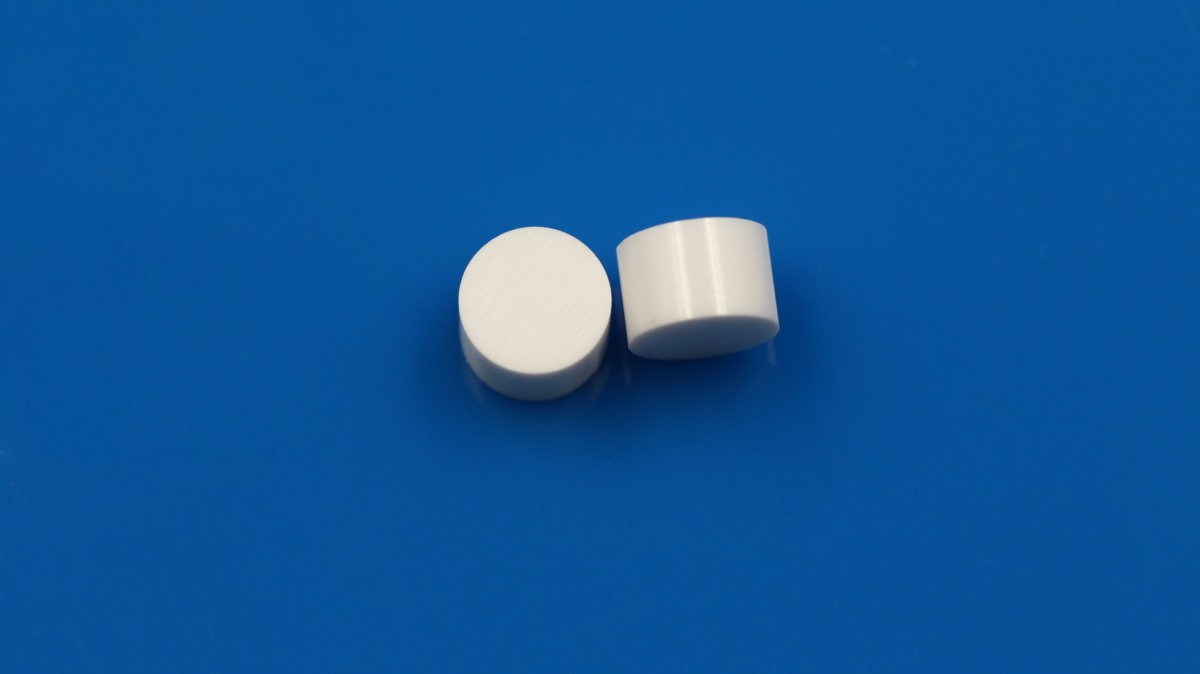
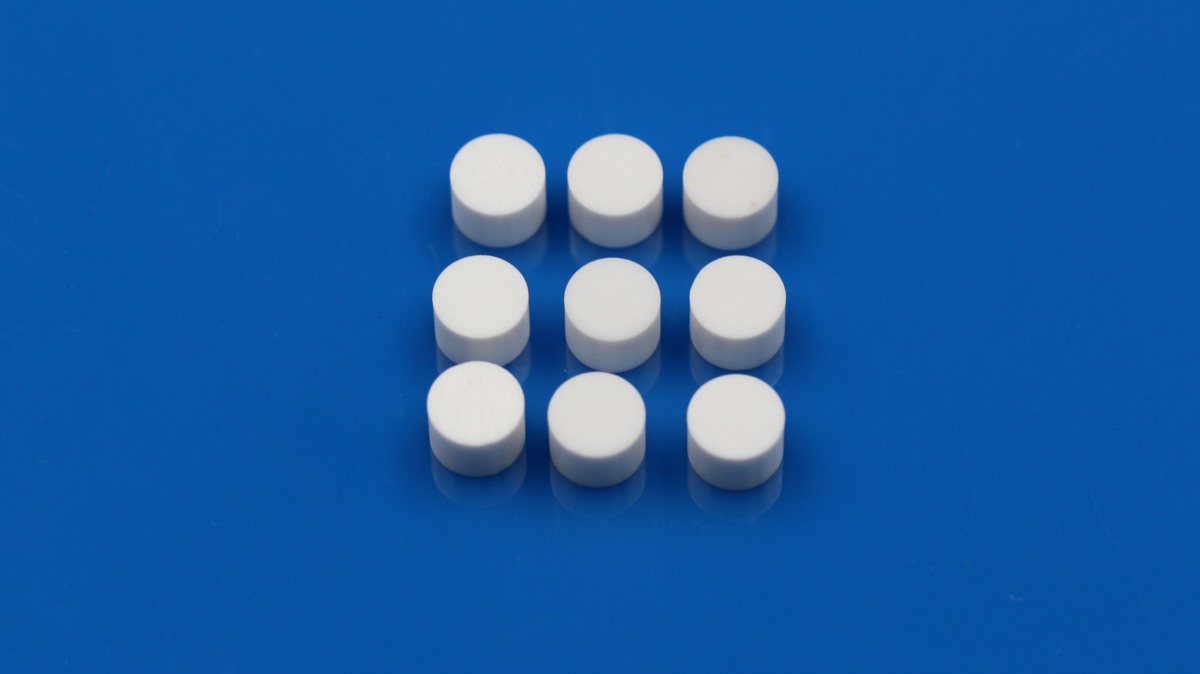
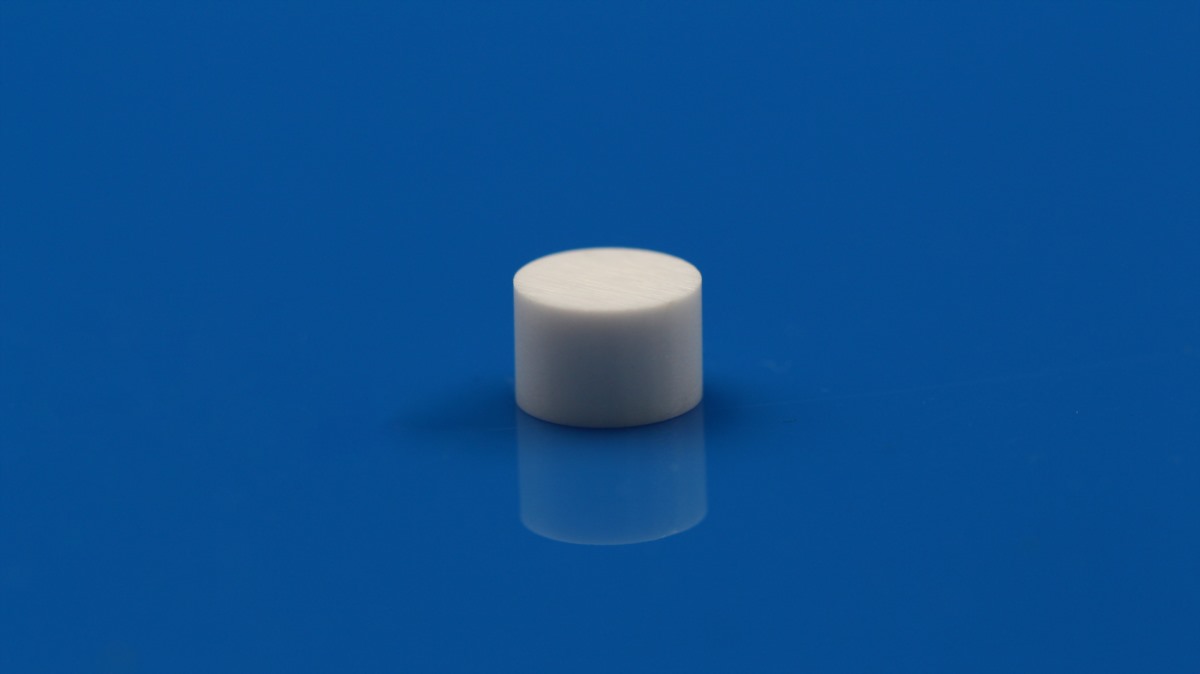
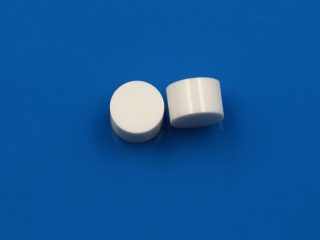
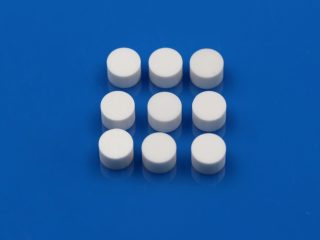
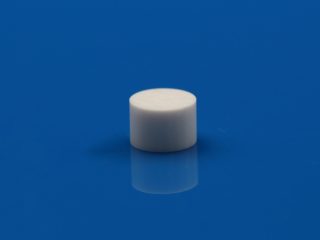
The ceramic slip inserts are the core meshing components for installing drillable bridge plugs and staged fracturing bridge plugs in oil and gas Wells. It plays the important role in underground operations and is the key to ensuring the safety and efficiency of fracturing operation.
Properties:
- Engages casing wall during setting
- Maintains wellbore pressure during operations
- Fast and clean mill-out
- Withstands high temperature, high pressure, acidic and high-salinity conditions
- Setting force transmitted via mandrel
- Inserts expand and engage with casing
- Sealing elements activate to isolate pressure zones
- Secure downhole barrier established
| Zirconia Ceramic Material Properties | ||
| Properties | Unit | Value |
| Physical Properties | ||
| Main Composition | % | ZrO2: 94.65%, Y2O3: 5.35% |
| Density | g/cm3 | ≥6.0 |
| Water Absorption | % | 0.00 |
| Mechanical Properties | ||
| Hardness | HV | 1,400.00 |
| Bending Strength | Kgf/mm2 | 11.00 |
| Compressive Strength | Kgf/mm2 | 25.00 |
| Thermal Properties | ||
| Thermal Expansion Coefficient (0–1000℃) | 10-6/K | 9.5×10⁻⁶ |
| Thermal Shock Resistance | T(℃) | 360.00 |
| Thermal Conductivity | W/m·k | 3.00 |
| Electrical Properties | ||
| Volume Resistance Rate (20℃) | Ω·cm | >1012 |
Advantages:
- Reduces total cost of operation and NPT
- Replaces traditional carbide solutions
- Enhances downhole tool reliability
- Engineered for complex and unconventional oil & gas operations
Applications
- Shale Gas & Tight Oil Multistage Fracturing
- HTHP Wells (High Temperature & Pressure)
- Sour & High Salinity Wells
- Well Intervention & Recompletion
- Geothermal Wells
Pipeline Inspection & Pump Equipment Wear Pads
Frequently Asked Questions
What are technical ceramic slip inserts? How do they work in frac plug slips systems?
Technical ceramic slip inserts are the core meshing components engineered for downhole drillable bridge plugs and staged fracturing systems, primarily made from highly durable Zirconia or Silicon Nitride. During operation, the setting force is transmitted via a mandrel, causing the ceramic inserts to expand and deeply engage with the casing wall. This action activates the sealing elements to isolate pressure zones, establishing a secure downhole barrier that maintains wellbore pressure, while allowing for a fast and clean mill-out process once the operation is complete.
What are the main advantages of zirconia ceramic inserts? Which oil and gas applications are they best suited for?
Zirconia ceramic inserts significantly outperform traditional carbide solutions by reducing total operation costs and non-productive time (NPT). They offer exceptional physical and mechanical properties, including a high density (≥6.0 g/cm³), outstanding hardness (1,400 HV), and robust compressive strength (25.00 Kgf/mm²). Because they can withstand high temperatures, high pressure, and acidic or high-salinity conditions, they are highly suited for complex oil and gas applications such as Shale Gas & Tight Oil Multistage Fracturing, HTHP (High Temperature & Pressure) Wells, Sour Wells, and Geothermal well interventions.