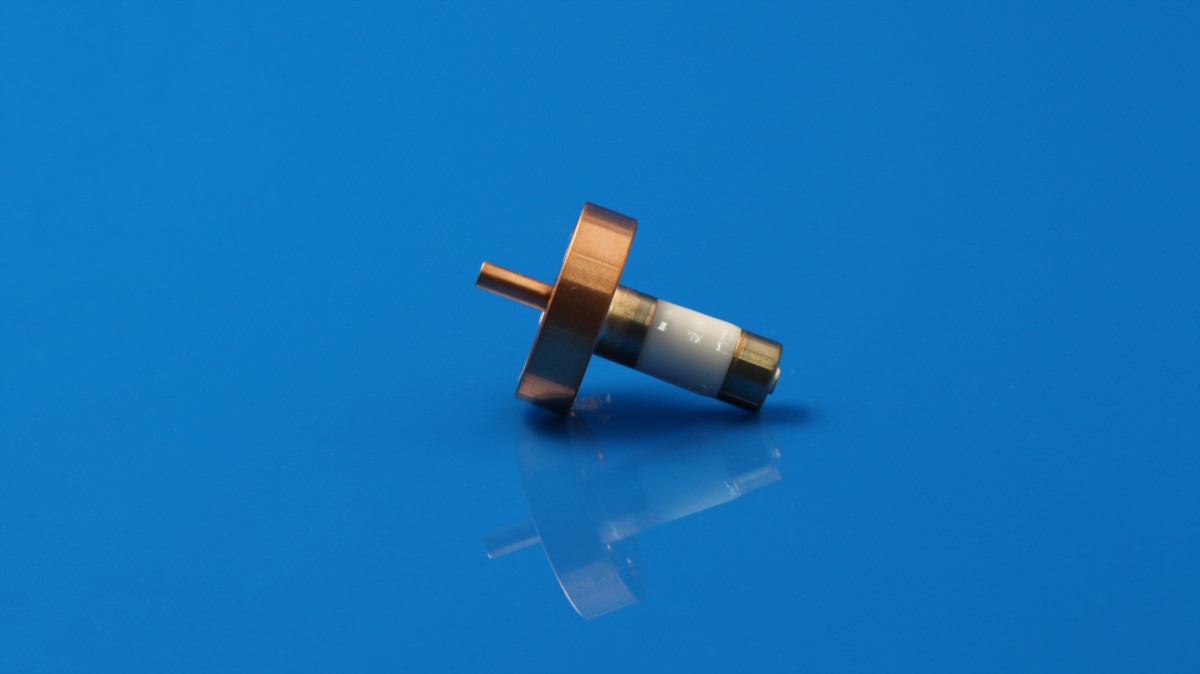
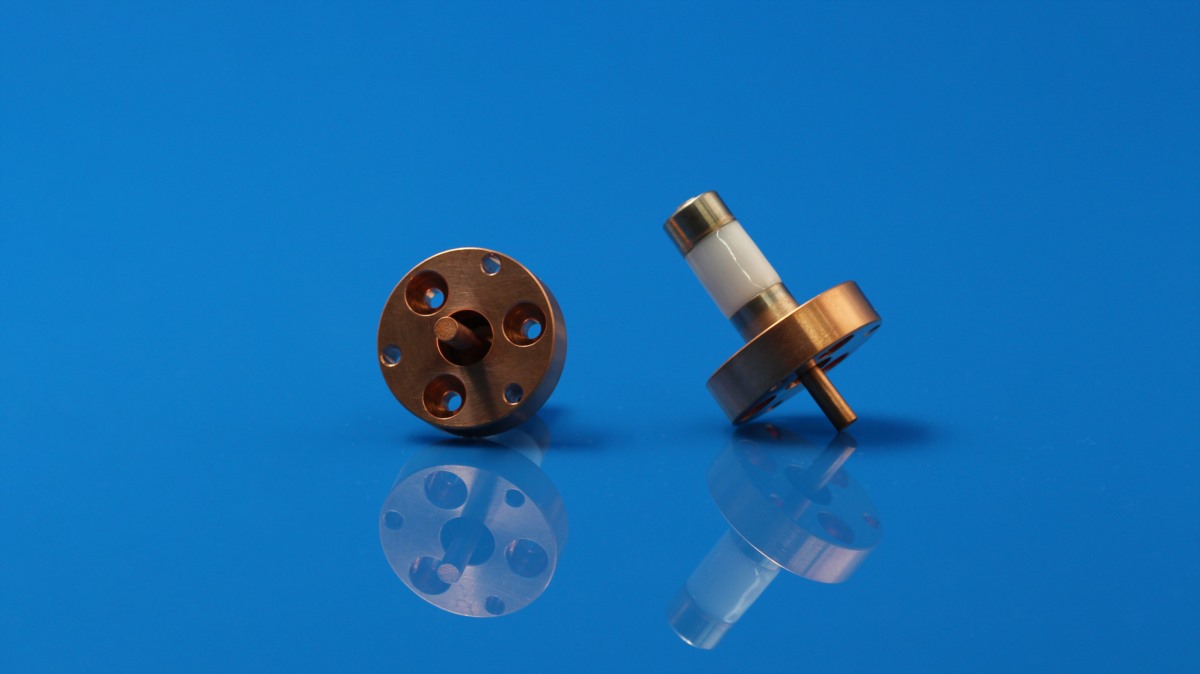
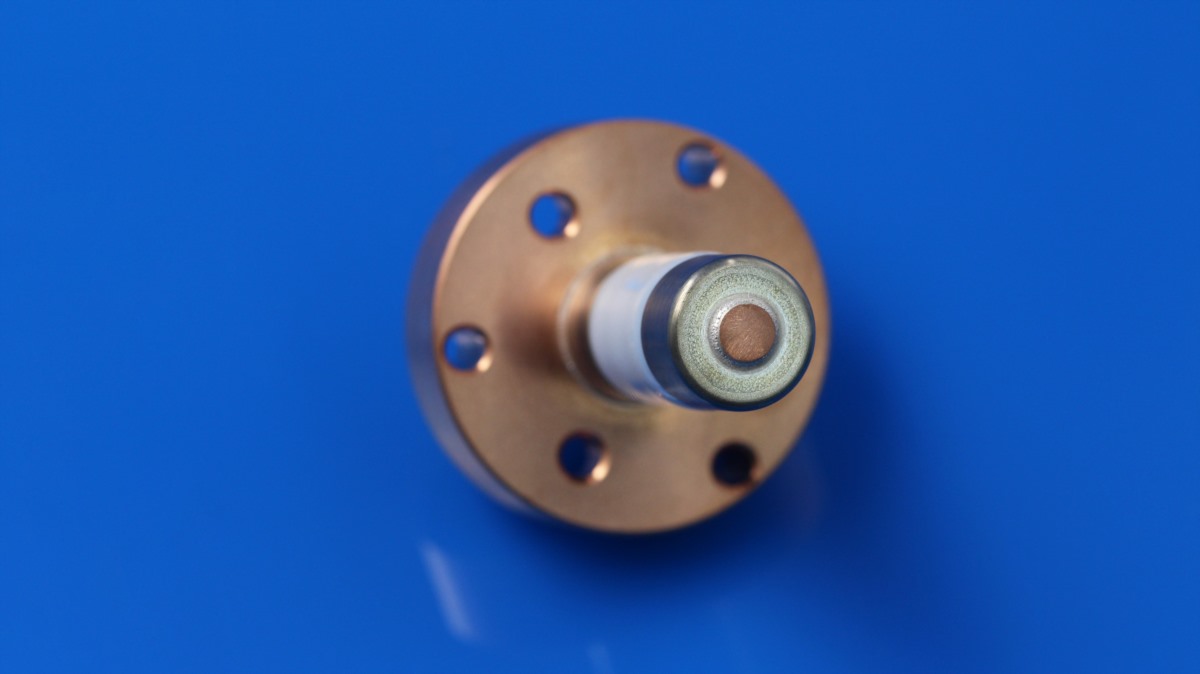
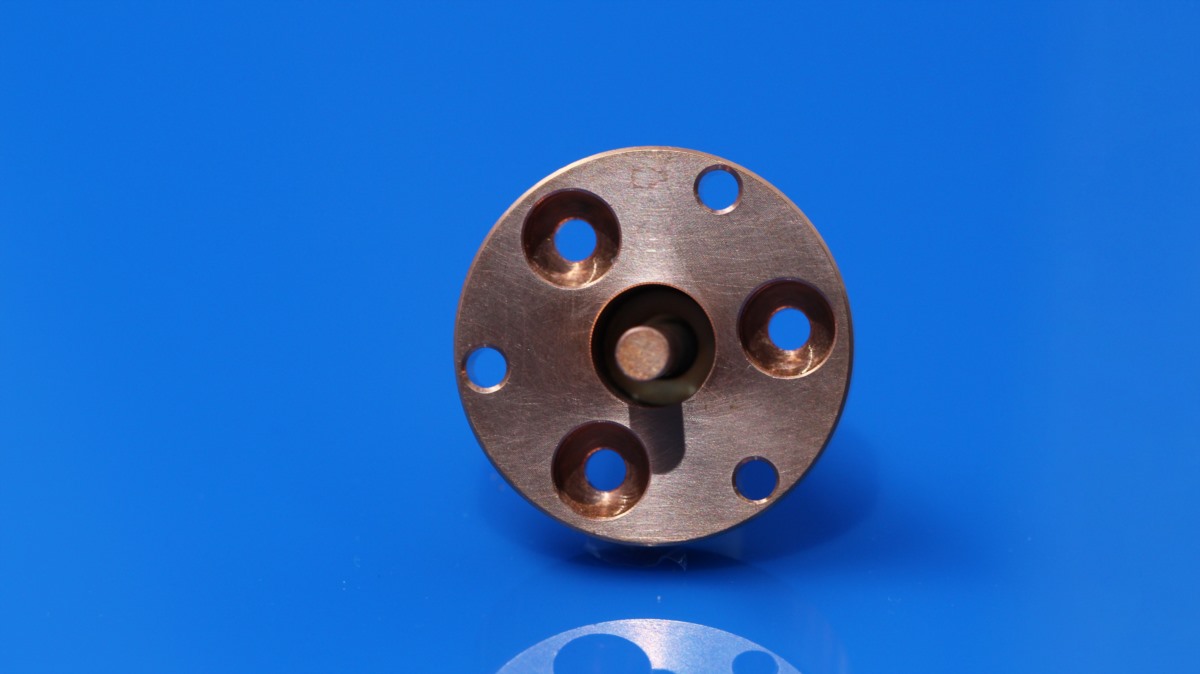
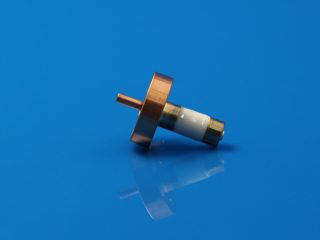
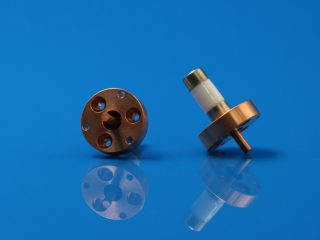
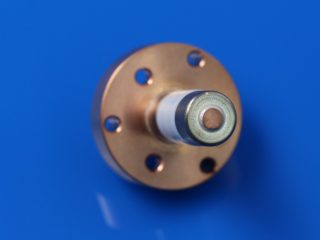
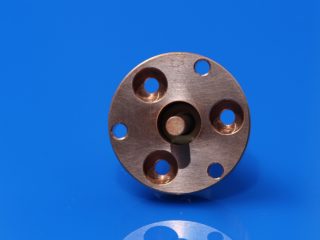
Main advantages:
- Compact and sturdy, suitable for laboratory and industrial-grade vacuum systems
- Precise positioning of the end and window surfaces, with low optical attenuation and good repeatability
- Multiple channels available (1/2/4), meeting the needs of single or multiple channels
- Support for various standard vacuum flanges (KF, CF, ISO), integrated with quick-connect features.
- CF (UHV) metal-sealed version, capable of withstanding 450°C baking, specially designed for ultra-high vacuum.
- Unique clamping screw fixation mechanism, ensuring alignment stability during long-term experiments and operations.
Typical applications:
Spectroscopy, laser coupling, vacuum diagnosis, optical metrology, vacuum-compatible sensors, research and development in physics and materials laboratories, and industrial online optical monitoring.
Purchasing and Integration Suggestions:
When placing an order, please specify the type of flange required, the number of channels, and the fiber optic termination method. If the experiment involves ultra-high vacuum or high-temperature baking processes, it is recommended to choose the CF (UHV) version. We can also provide customized mechanical interfaces and installation kits to adapt to different cavity structures.
Frequently Asked Questions
What is an Optical Fiber Vacuum Feedthrough? How does it minimize optical signal loss?
An Optical Fiber Vacuum Feedthrough is a specialized component used to achieve stable and repeatable optical coupling between a vacuum chamber and the atmospheric side.
It minimizes optical signal loss through a highly precise mechanical design:
-Rigid Fixation: Each optical fiber is securely fixed to the flange assembly of a sapphire vacuum window using a metal-sealed feedthrough head.
– Precise Positioning: This mechanism ensures the fiber end face remains at a fixed, optimal distance from the window surface.
– Long-Term Stability: A unique clamping screw fixation mechanism is utilized to prevent any alignment shifts during long-term experiments, guaranteeing continuous low optical attenuation.
Which standard vacuum flanges are supported? How to choose the right feedthrough for UHV environments?
Our optical fiber feedthroughs support a variety of standard vacuum flanges, including KF, CF, and ISO, and are available in single or multi-channel configurations (1, 2, or 4 channels) integrated with quick-connect features.
For Ultra-High Vacuum (UHV) and high-temperature environments, we recommend the following selection criteria:
– Choose the CF (UHV) Version: This specific metal-sealed version is expertly designed for ultra-high vacuum conditions.
– Baking Compatibility: The CF flange version can withstand high-temperature baking processes up to 450°C without compromising the seal or optical integrity.
– Ordering Specifications: When purchasing, always specify the CF flange type, the required number of channels, and standard termination methods (such as SMA or FC) to ensure perfect integration. Customized kits are also available for unique cavity structures.