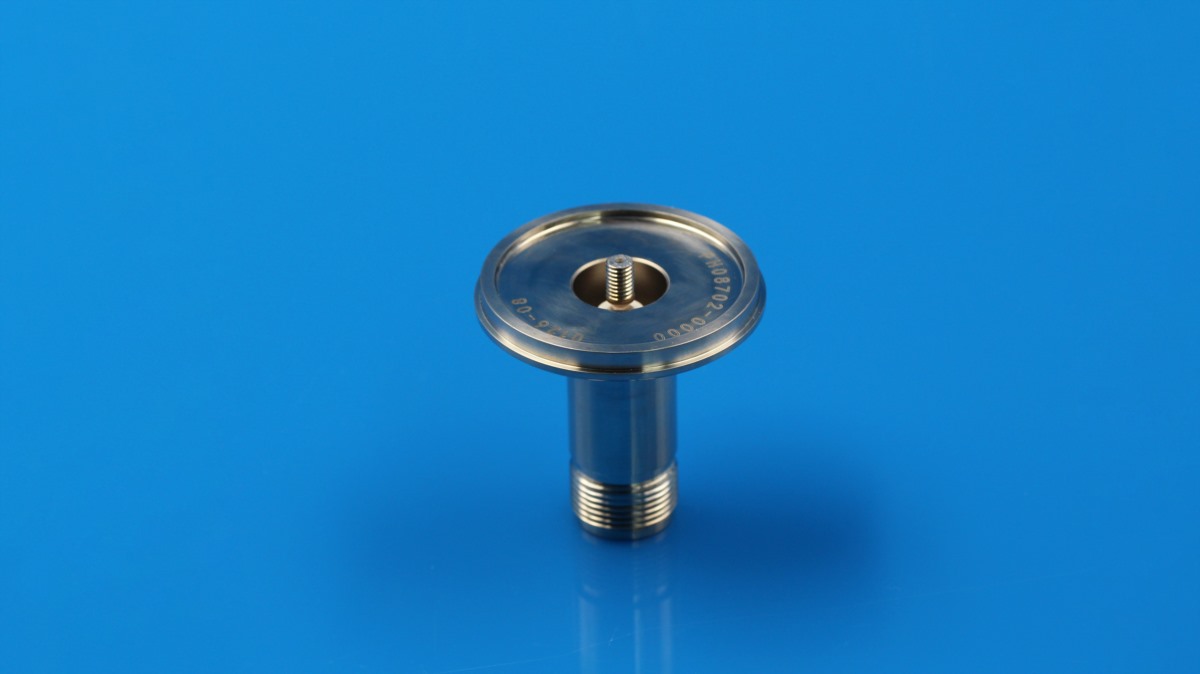
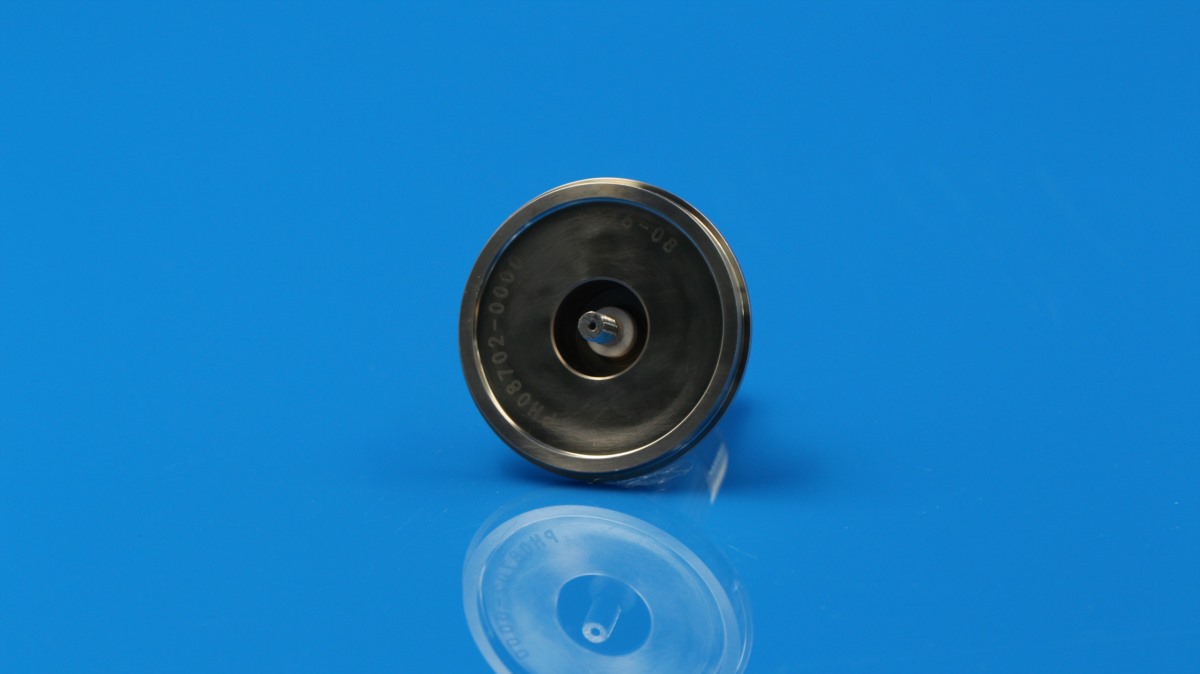
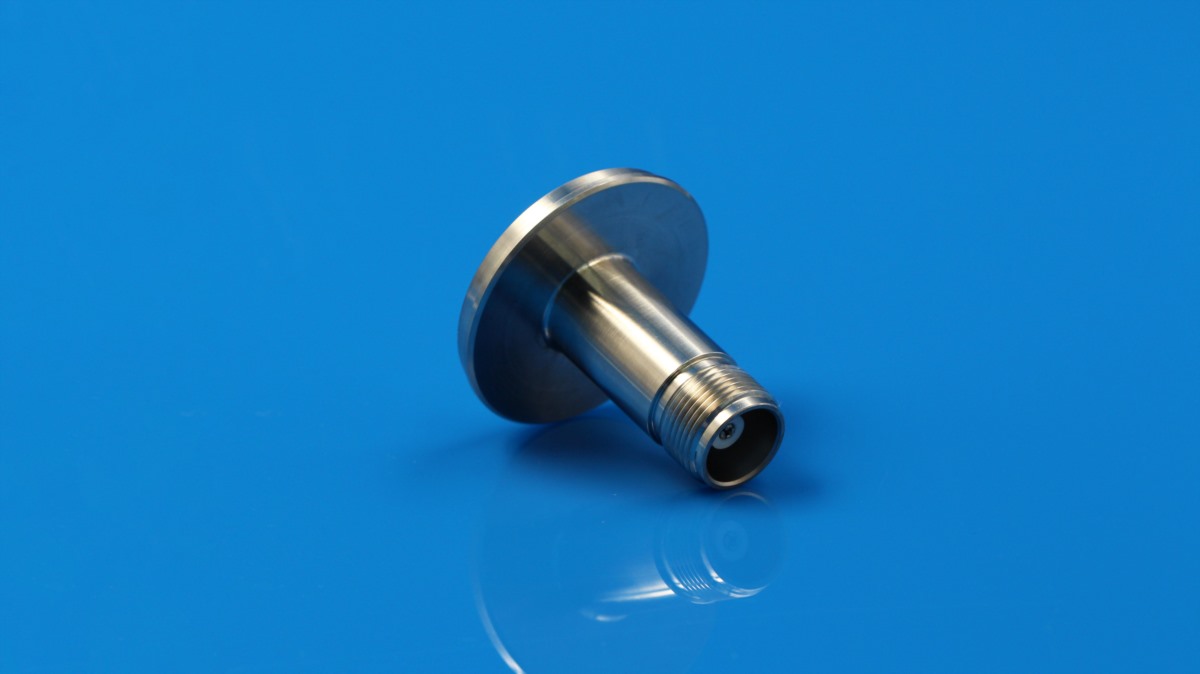
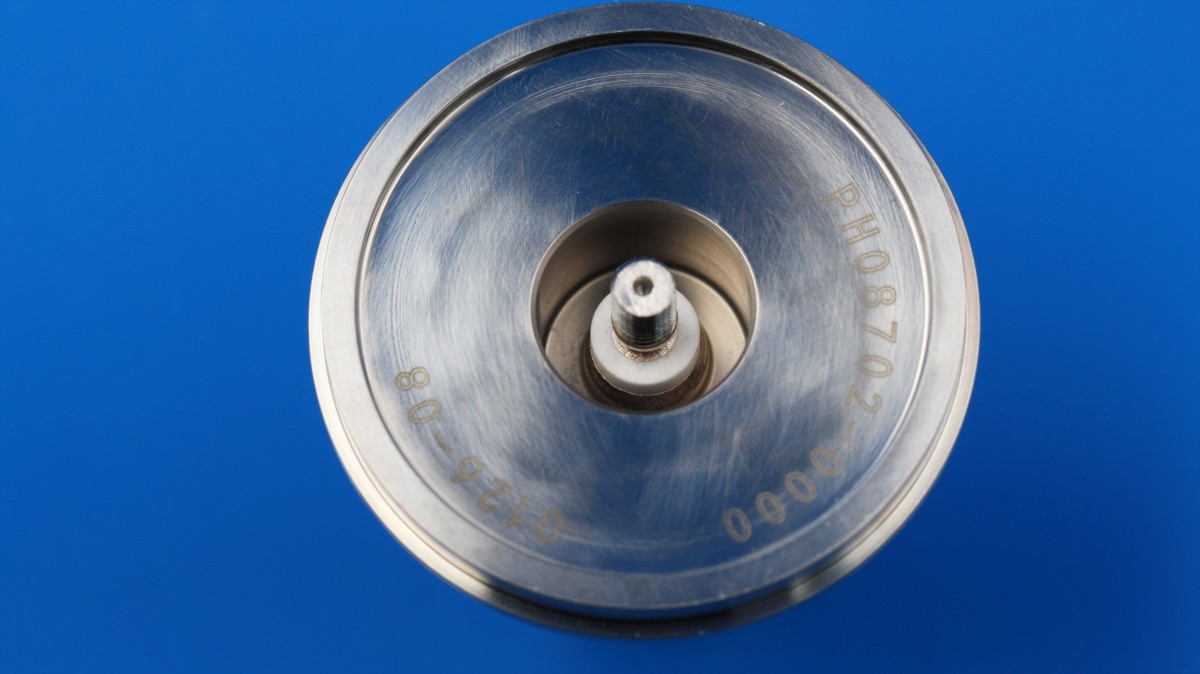


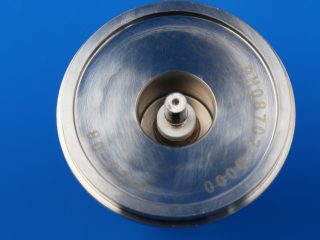

The core design adopts a capture-type central contact structure. Even under temperature variations or mechanical impacts, it can effectively prevent contact offset, ensuring the stability and reliability of signal transmission. HN type connector supports RF signals ranging from DC to 4 GHz, with a characteristic impedance of 50 Ω. It is suitable for use in demanding environments such as high-voltage testing, outdoor communication, and avionics equipment.
In terms of electrical performance, the typical withstand voltage of this connector can reach approximately 5 kV for DC, and the operating temperature range is from -65 °C to +165 °C, which meets the usage requirements in extreme conditions.The termination method supports either solder cups or clamps, facilitating on-site installation and maintenance. Its structure is robust and its performance is stable, making it an ideal.
HN connectors are typically used in:
- High voltage RF and electrical test equipment
- EMI / EMC test systems
- Outdoor telecom equipment and antenna interfaces
- Avionics panel interfaces
- Radiation detection and monitoring systems
- Industrial and laboratory high voltage RF applications
Selection & Configuration
HN connectors are available in straight and right-angle versions, with various flange and bulkhead options.Solder and clamp terminations are offered for different cable types.
Custom options are available for voltage rating, cable assembly, and mechanical reinforcement.Selection should be based on operating voltage, frequency, and installation conditions.
Frequently Asked Questions
What is an HN-Type Coaxial Connector? What are its main applications?
An HN-Type Coaxial Connector is a robust RF interface specifically designed for high-voltage signal transmission. Operating with a characteristic impedance of 50 Ω, it supports frequency ranges from DC to 4 GHz and can withstand voltages up to 5 kV DC.
Due to its high voltage rating and reliable performance, its main applications include:
– Testing Systems: High voltage RF/electrical test equipment and EMI/EMC test systems.
– Telecommunications: Outdoor telecom equipment and antenna interfaces.
– Aerospace & Industry: Avionics panel interfaces, radiation detection, and laboratory high-voltage applications.
How is the Flange Mount HN Connector installed? What ensures its reliability in extreme environments?
The connector is designed for wall penetration and is installed on equipment panels or cabinet walls using either a flange method or a partition (bulkhead) method. The termination supports either solder cups or clamps to facilitate on-site assembly.
It ensures exceptional reliability in extreme environments through three core designs:
– Mechanical Stability: A threaded locking structure provides extremely high vibration resistance and anti-loosening capabilities.
– Signal Consistency: A capture-type central contact prevents contact offset even under mechanical impacts or temperature variations.
– Extreme Temperature Tolerance: It maintains stable operation in harsh environments ranging from -65 °C to +165 °C.