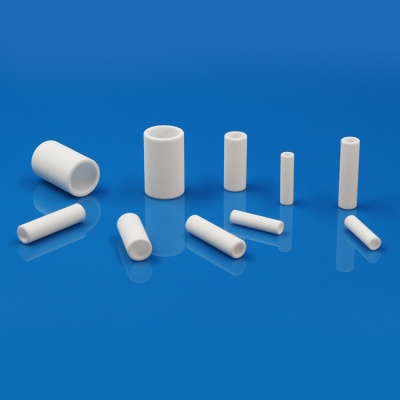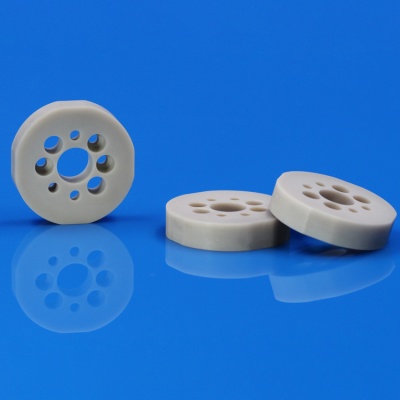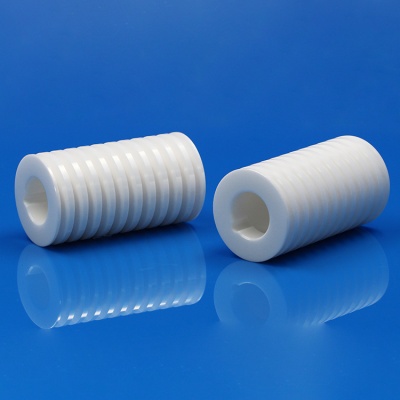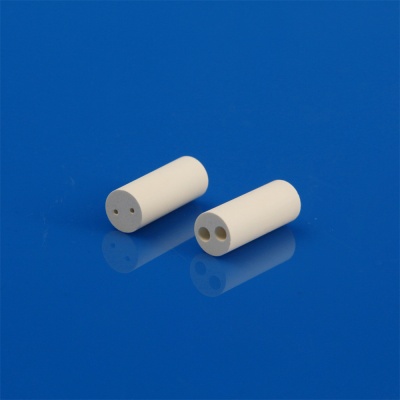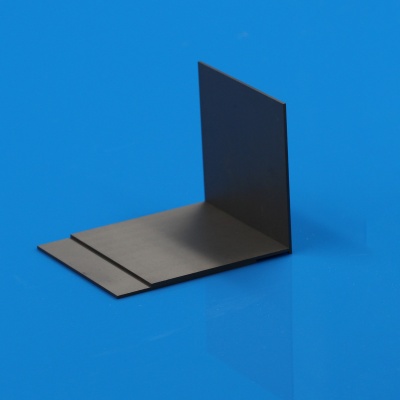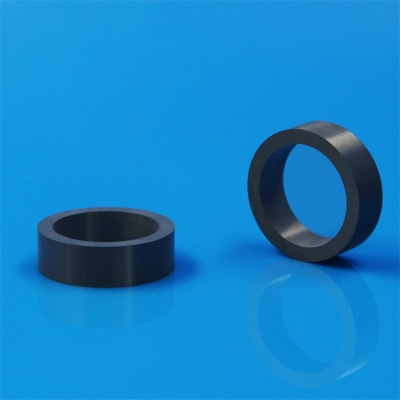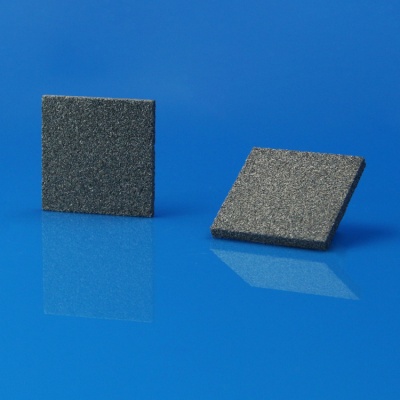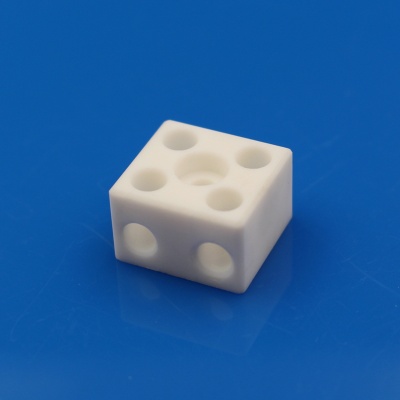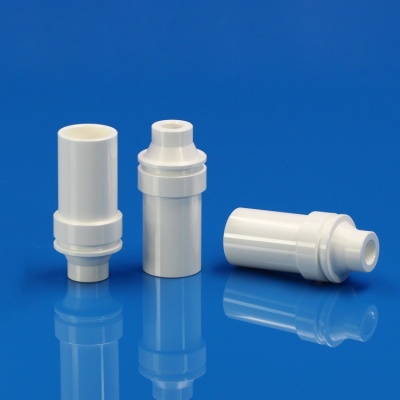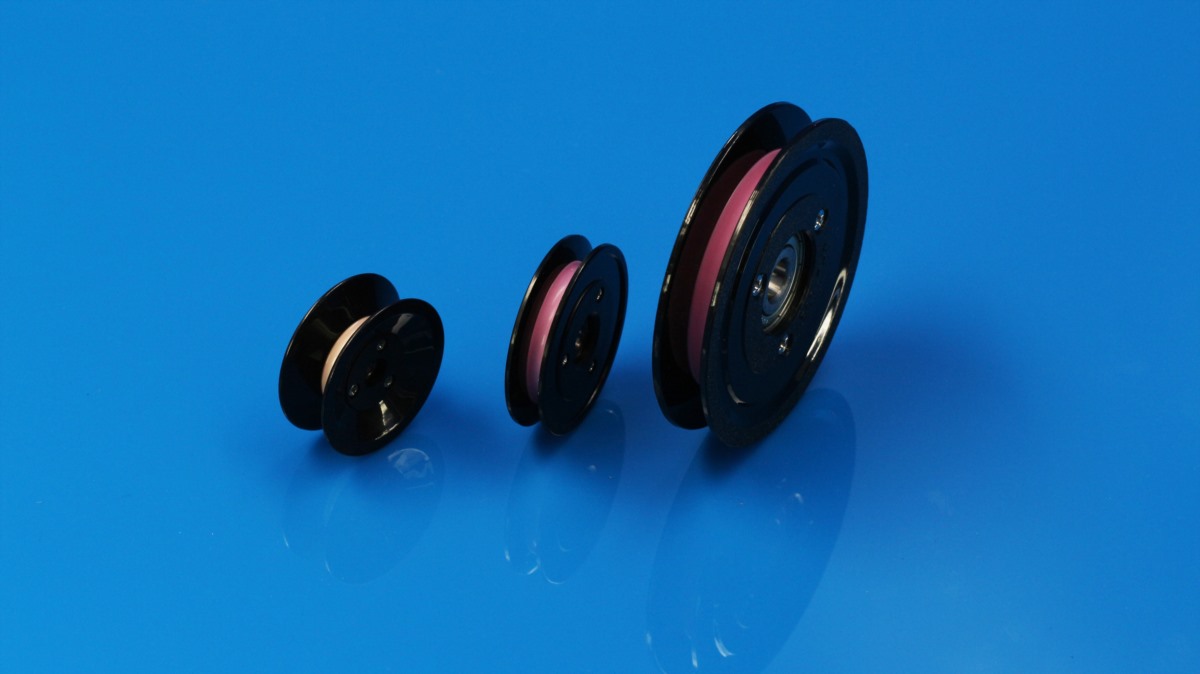
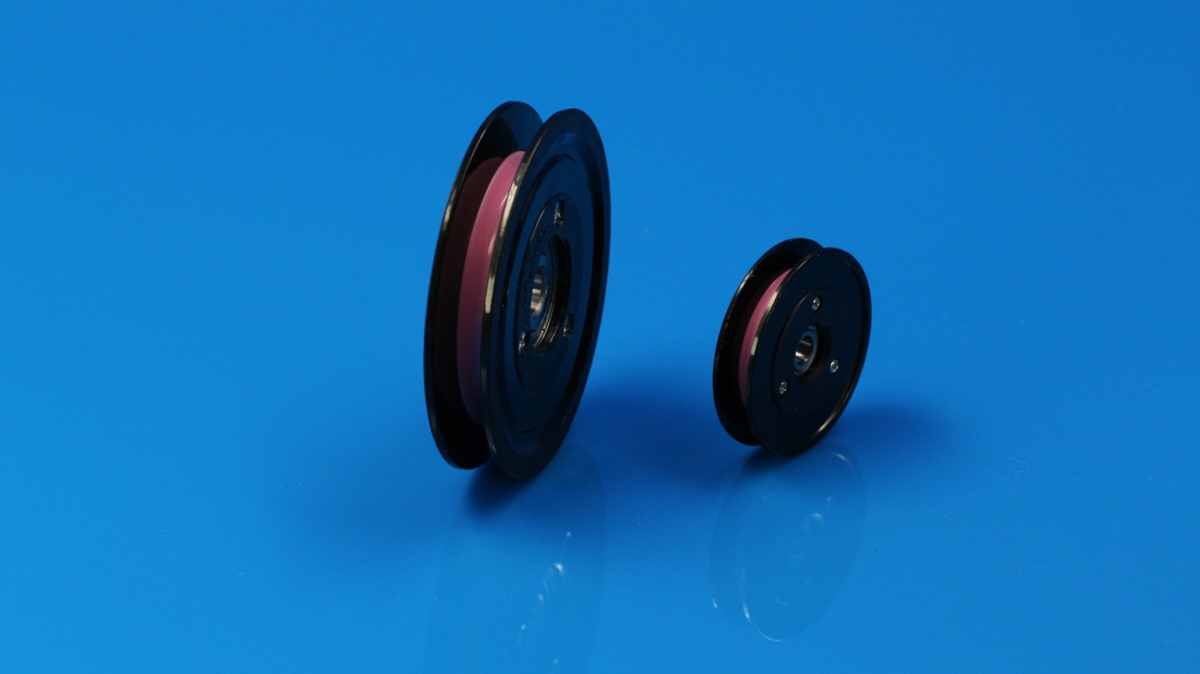
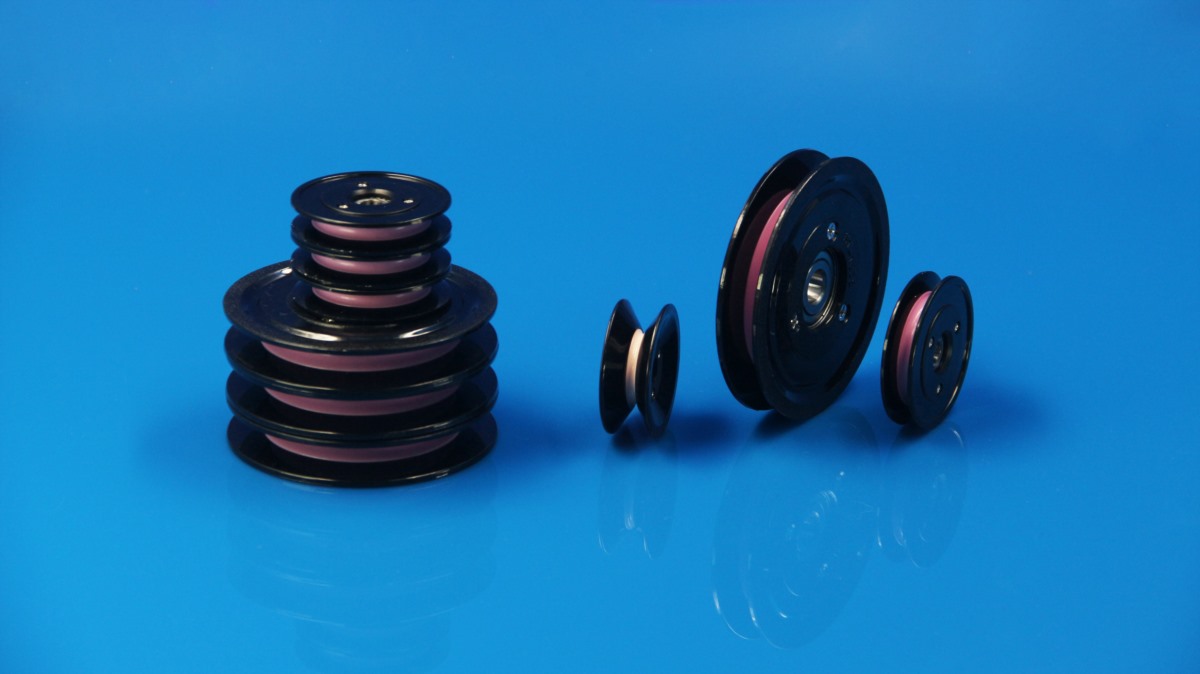
The ceramic wire guide pulley is made by plastic flanges with 99% alumina polished ceramic inserts or 95% pink aluminum oxide ceramic inserts. The coil winding wire guide pulley (also known as the wire roller) will rotate due to the interaction of the thread and wire passing over the surface of the ring. Consequently, the sliding friction is transformed into static friction.
Advantages
- Good insulation performance and high-temperature resistance
- Superior wear-resistance and good smooth surface finish
- Resistance to harsh environment
- Longer service life
- Stiffness texture
Product Specifications
| Model | A | B | D | H | R | Weight |
| IN1001-B03 | 20 | 15 | 3 | 4.5 | 1 | 2g |
| IN1002-B04 | 28.7 | 20 | 4 | 6.4 | 1 | 6.5g |
| IN1002-B05 | 28.7 | 20 | 4 | 6.4 | 1 | 6.5g |
| IN1003-B03 | 30.4 | 15 | 3 | 10 | 1 | 6g |
| IN1004-B04 | 40 | 20 | 4 | 15 | 1 | 12g |
| IN1004-B05 | 40 | 20 | 5 | 15 | 1 | 12g |
| IN1005-B05 | 45.5 | 30 | 5 | 10 | 1 | 25g |
| IN1005-B06 | 45.5 | 30 | 6 | 10 | 1 | 25g |
| IN1005-B07 | 45.5 | 30 | 7 | 10 | 1 | 25g |
| IN1005-B08 | 45.5 | 30 | 8 | 10 | 1 | 25g |
| IN1006-B06 | 60 | 40 | 6 | 13 | 1.5/0.5 | 40g |
| IN1006-B07 | 60 | 40 | 7 | 13 | 1.5/0.5 | 40g |
| IN1006-B08 | 60 | 40 | 8 | 13 | 1.5/0.5 | 40g |
| IN1006-B10 | 60 | 40 | 10 | 13 | 1.5/0.5 | 40g |
| IN1006-B12 | 60 | 40 | 112 | 13 | 1.5/0.5 | 40g |
| IN1007-B05 | 61 | 30 | 5 | 18 | 1 | 35g |
| IN1007-B06 | 61 | 30 | 6 | 18 | 1 | 35g |
| IN1007-B07 | 61 | 30 | 7 | 18 | 1 | 35g |
| IN1007-B08 | 61 | 30 | 8 | 18 | 1 | 35g |
| IN1008-B10 | 79.2 | 50 | 10 | 15 | 2.5 | 95g |
| IN1008-B12 | 79.2 | 50 | 12 | 15 | 2.5 | 95g |
| IN1009-B07 | 80.5 | 40 | 7 | 25 | 1.5 | 60g |
| IN1009-B08 | 80.5 | 40 | 8 | 25 | 1.5 | 60g |
| IN1010-B10 | 99.3 | 50 | 10 | 29.5 | 2.5 | 120g |
| IN1010-B12 | 99.3 | 50 | 12 | 29.5 | 2.5 | 120g |
Frequently Asked Questions
What materials are used in the ceramic wire guide pulley? Where is it commonly applied?
The ceramic wire guide pulley is primarily constructed with plastic flanges and high-quality ceramic inserts (either 99% alumina polished ceramic or 95% pink aluminum oxide ceramic). This robust material combination makes it ideal for various industrial applications, including:
– Coil winding machines (also known as wire rollers)
– Wire drawing machines
– Cable machines
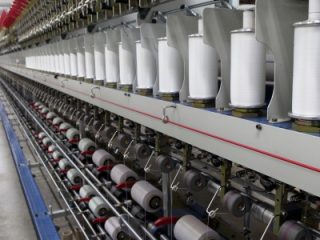
– Textile machinery
– Tubing and extruded materials manufacturing
How does the coil winding wire roller work? What are its main advantages?
The coil winding wire roller works by rotating as the thread or wire passes over the surface of the ring. This rotational movement effectively transforms damaging sliding friction into static friction, protecting the wire. Based on its design and ceramic materials, its main advantages include:
– Superior wear-resistance and a highly smooth surface finish.
– Excellent electrical insulation and high-temperature resistance.
– High stiffness texture and reliable resistance to harsh environments, ensuring a longer service life.