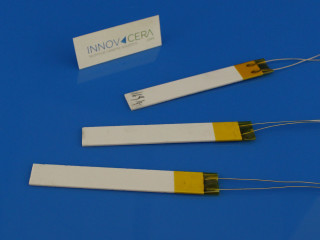
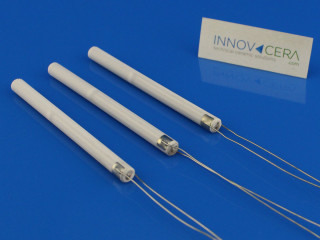
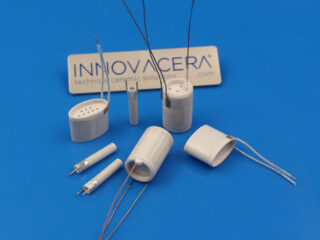
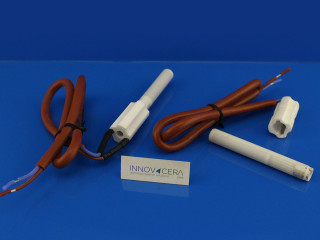
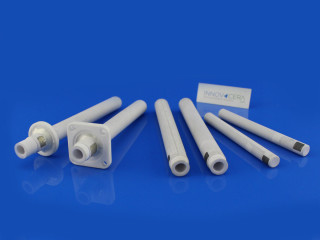
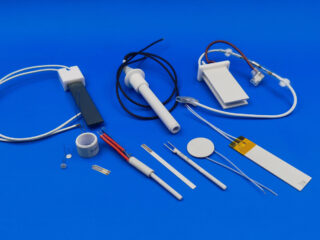
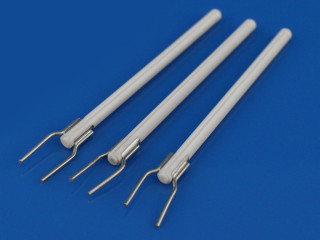
Application of Alumina Ceramic Heaters
-
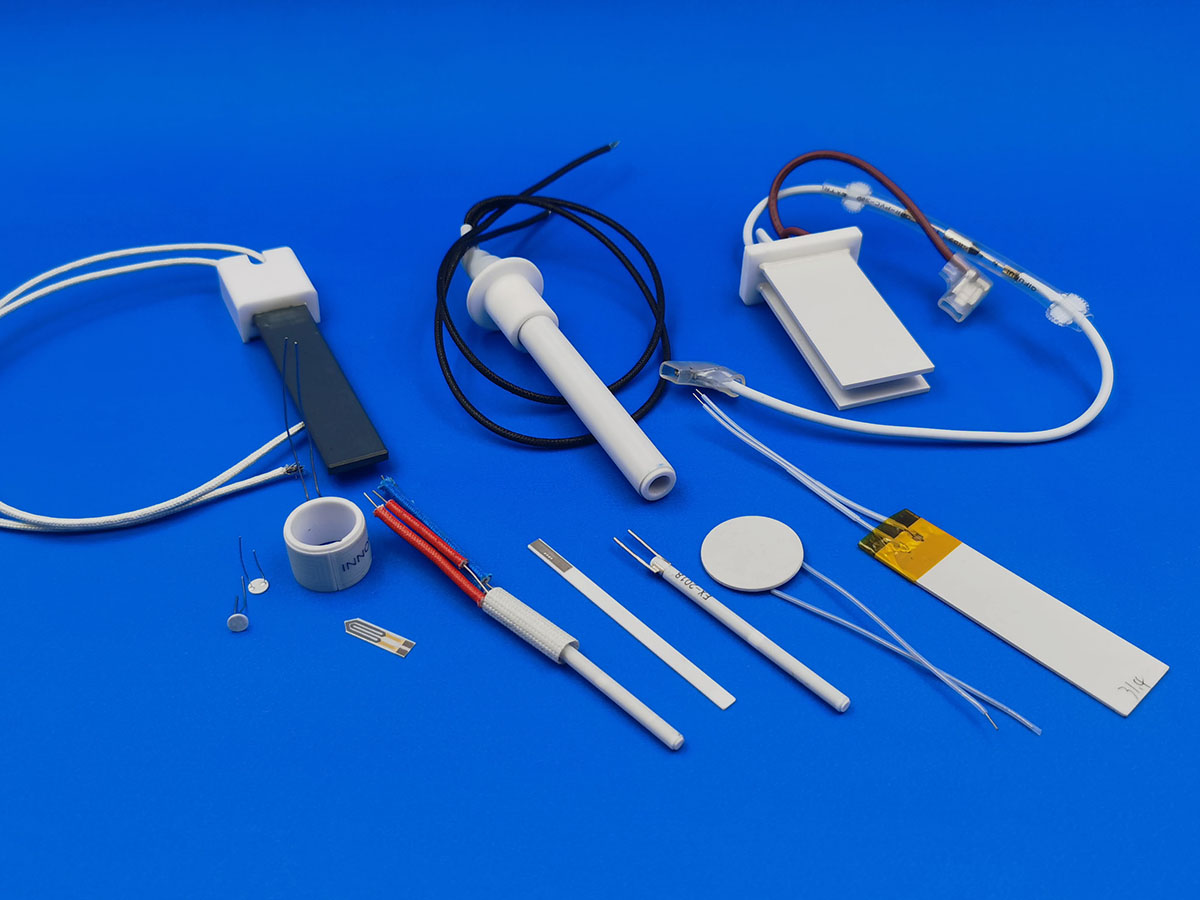
Automotive Components
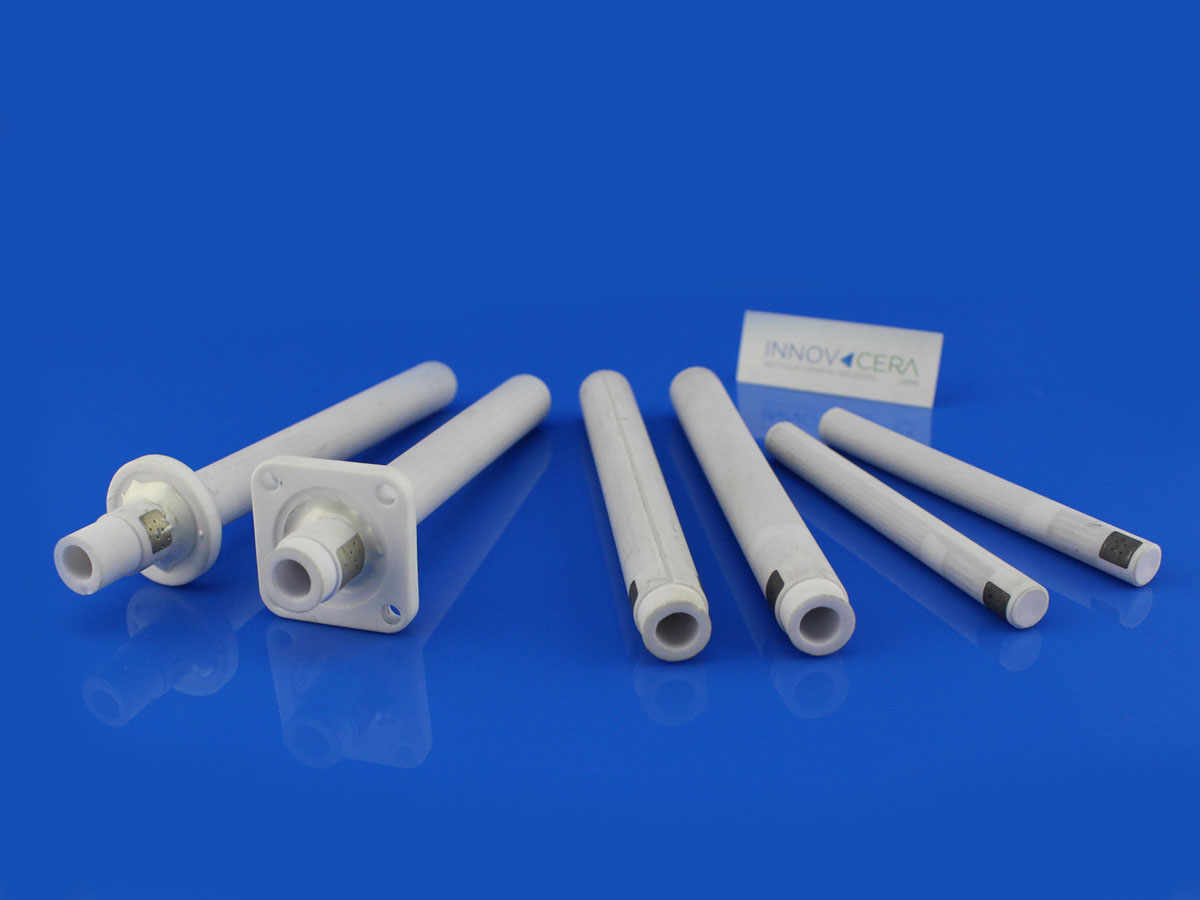
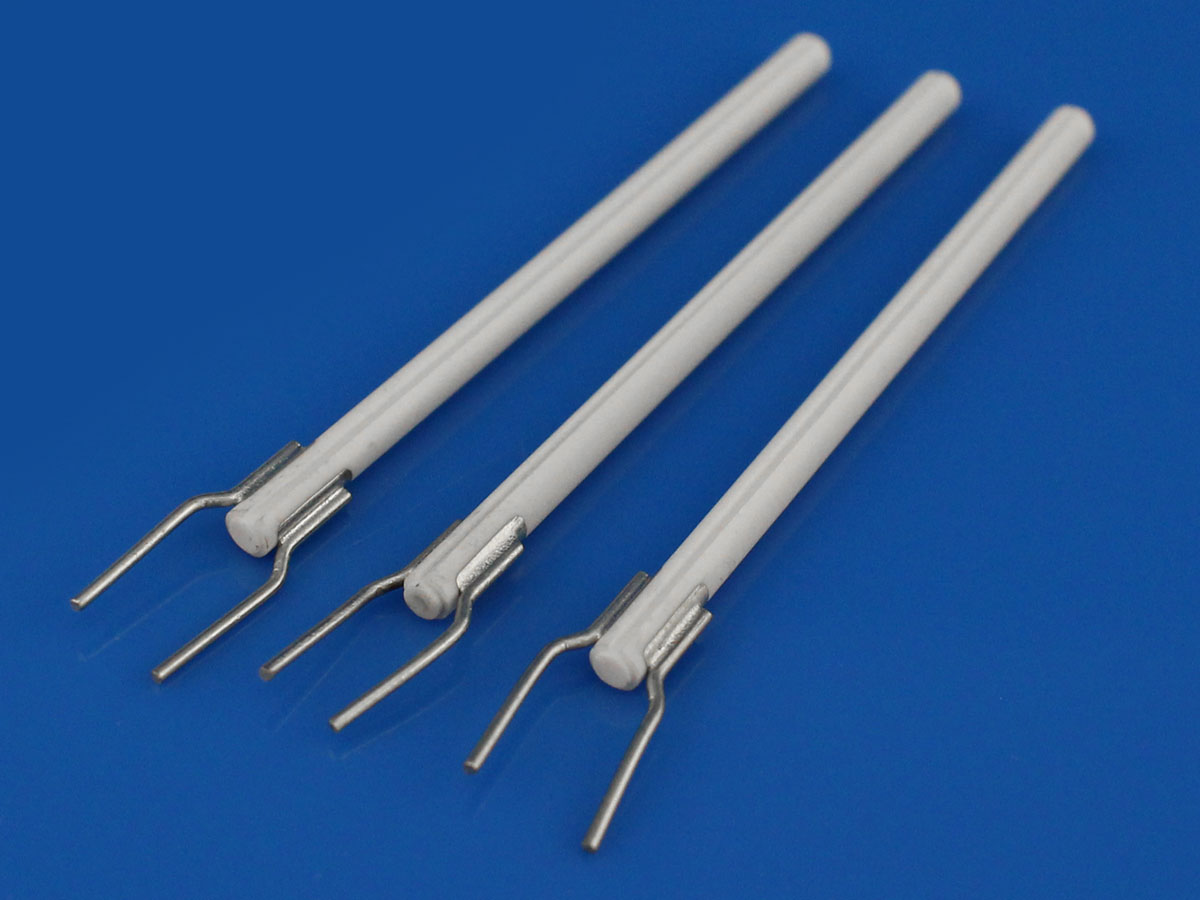
Glow Plug
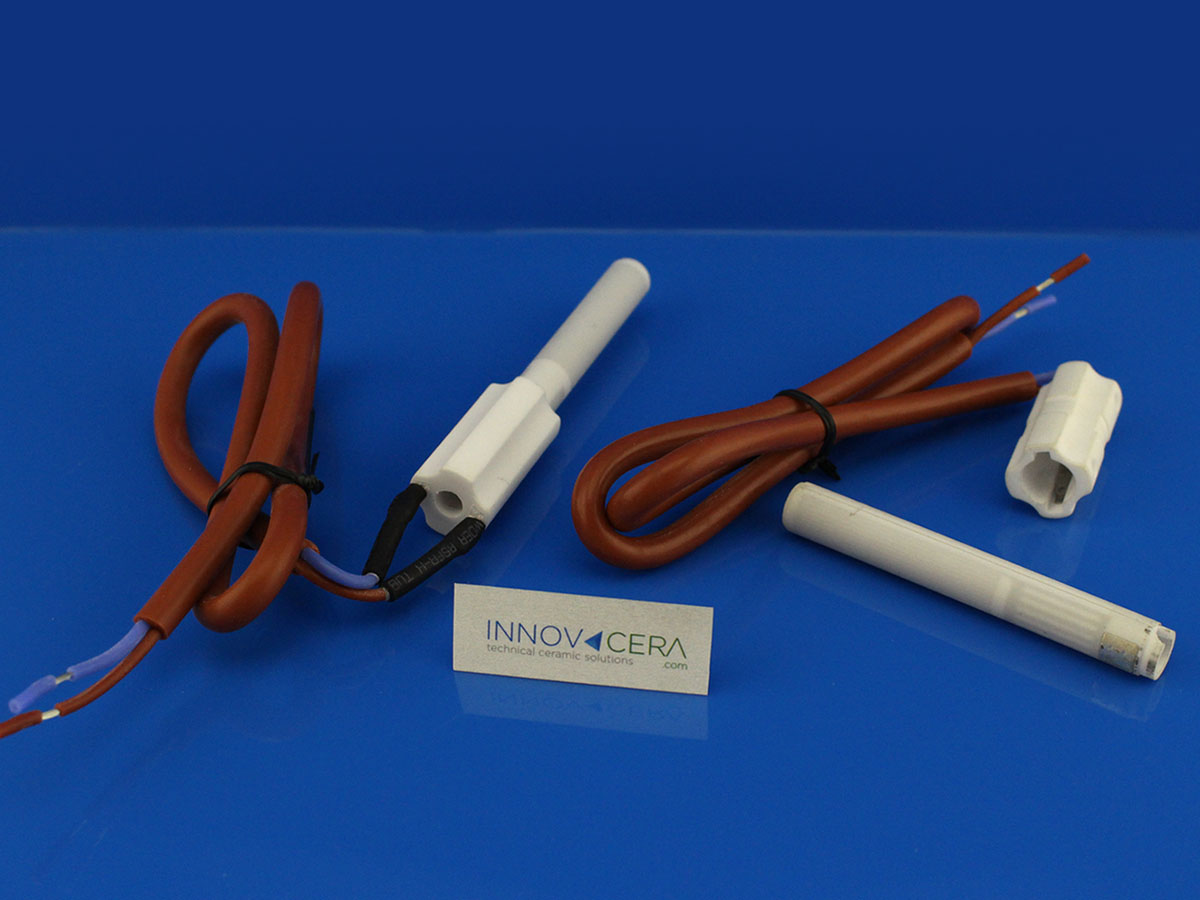
Igniter for Cabin Heater
Heater for Oxygen Sensor -
Kerosene and Gas Appliances
Igniter
Heater for Vaporizer -
Industrial Heater Applications
Heater for Soldering Iron
Heater for Hair Iron
Bonding Heater
Seal Heater -
Water-Heating Applications
Heater for Toilet Water
Bath Water Heater
Steam Boiler Heater
Liquid Heater for Small Appliances
Advantages of Ceramic Heaters
-
Compact, Lightweight and Energy Efficient
Ceramic heaters feature high watt density and excellent thermal efficiency. Multiple heating elements can be layered into a single unit.
-
Superior Thermal Properties
Ceramic heaters reach high temperatures rapidly and are available with custom-designed heat distribution patterns. The material’s strong insulation properties permit direct contact with a variety of materials, including water, kerosene and metals.
-
High Reliability
Superior dielectric strength, electrical insulation and chemical resistance give Innovacera's ceramic heaters outstanding reliability. Our oxidation-resistant material ensures a long service life.
-
No Electric Noise
Ceramic heaters produce no electric noise.
Heater Design Structure
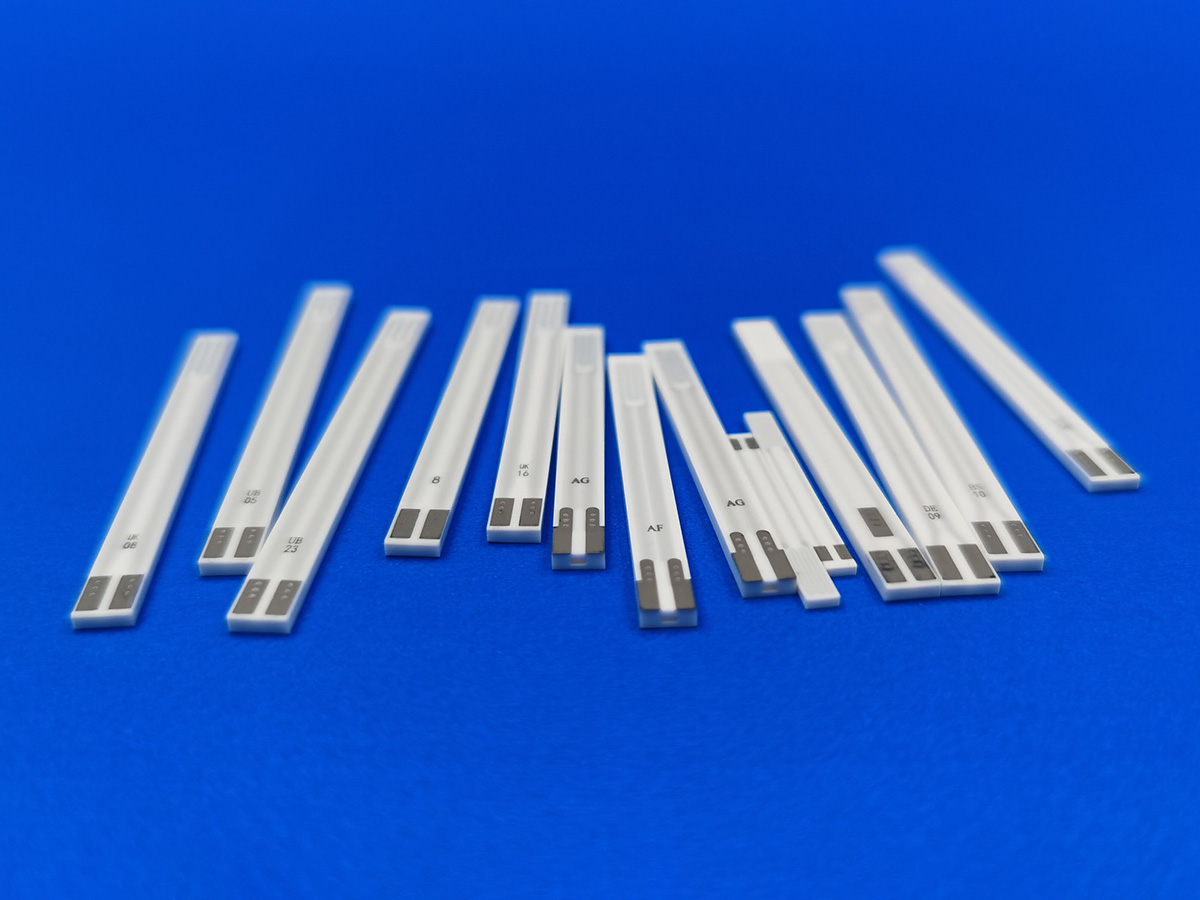
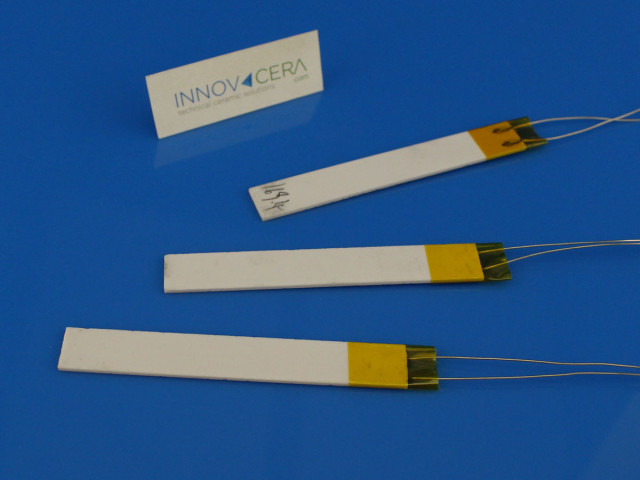
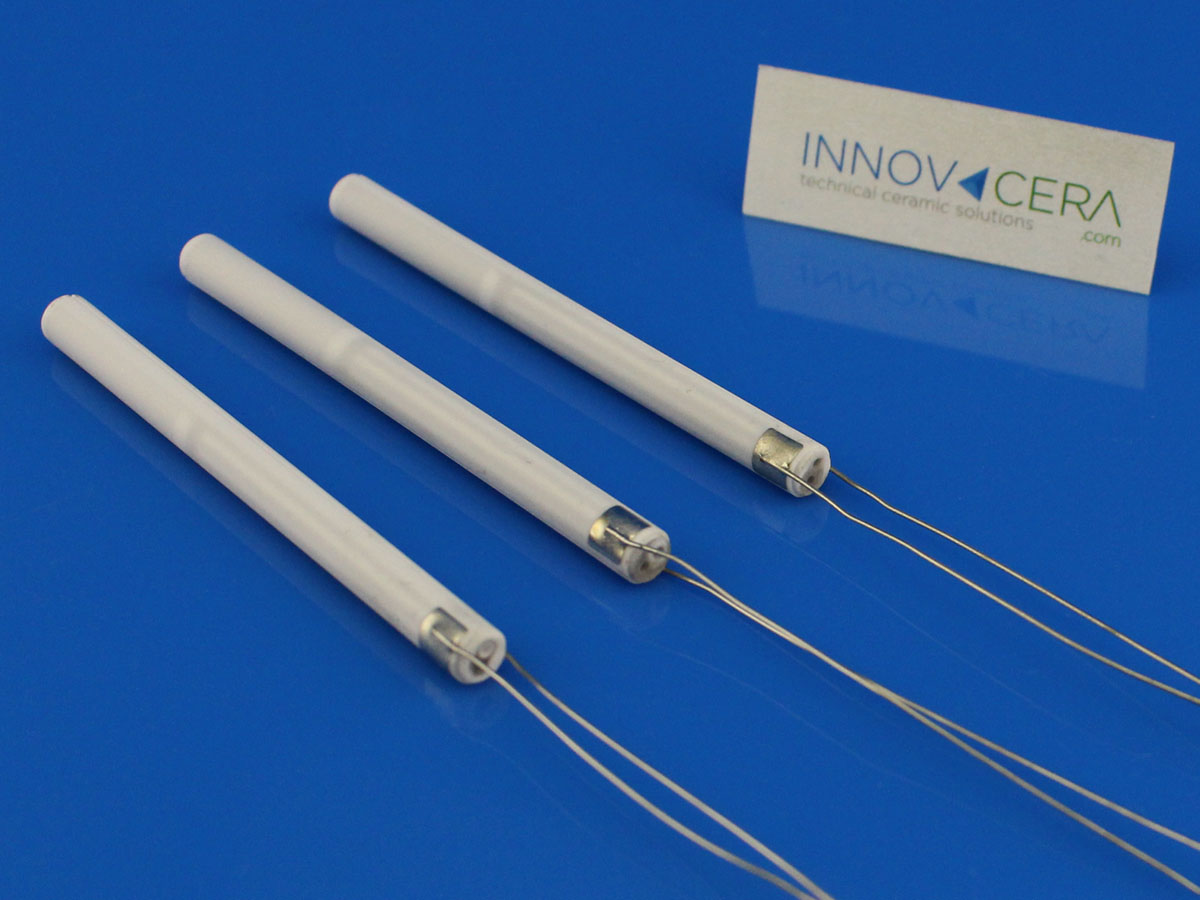
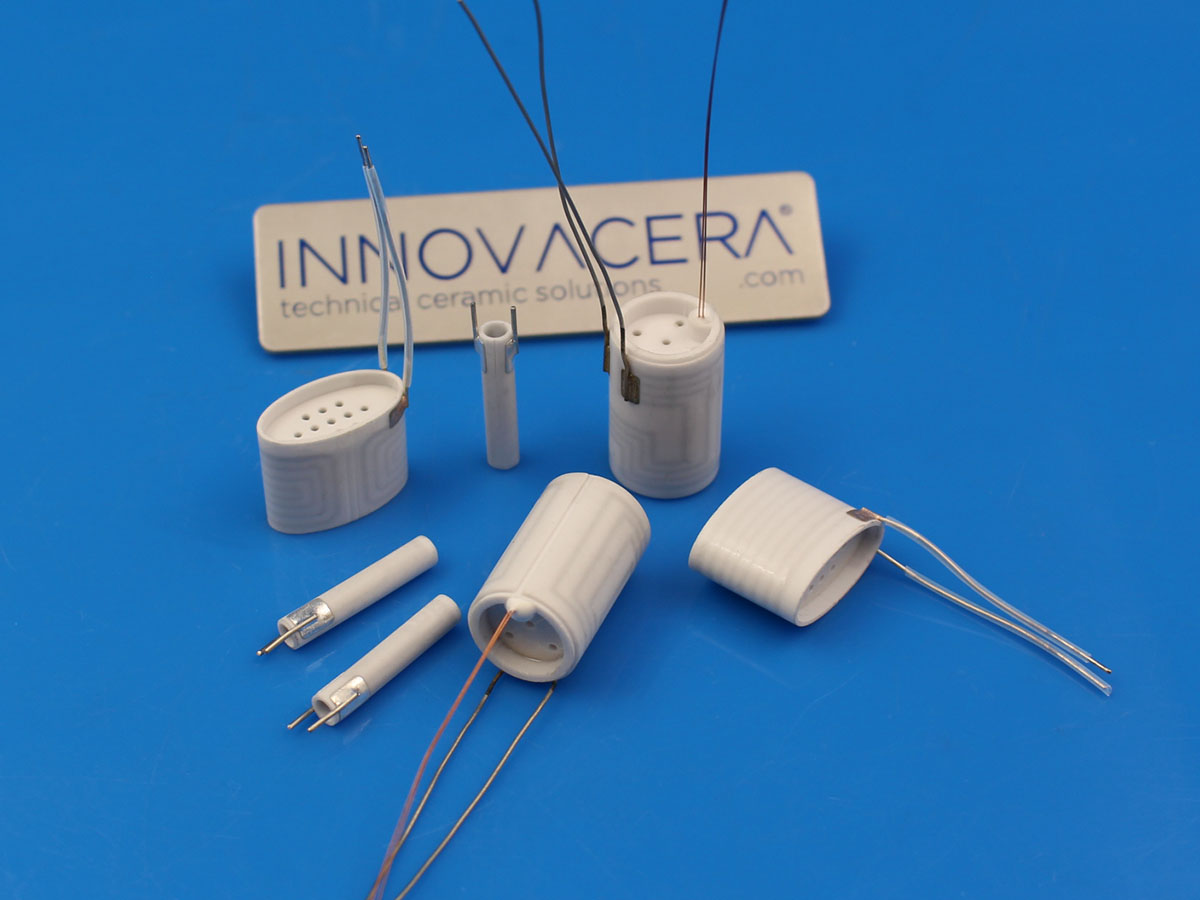
The heating element of the ceramic heater is built into a substrate of alumina or silicon nitride material, then laminated and sintered into one piece — providing insulation and protection from the outside environment.
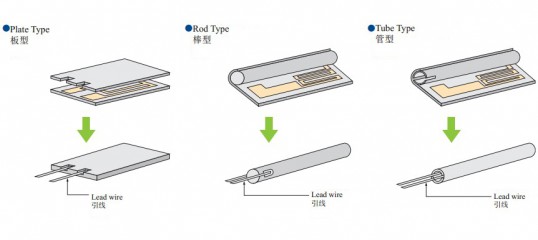
Heater Design Structure
HTCC (High Temperature Co-Ceramics) Advantages:
- Customized solutions based on a variety of manufacturing processes
- Efficient solutions due to high degree of design support from the beginning of the product development cycle
- Availability of a variety of mechanical, thermal (ANSYS, ABACUS), optical (ZEMAX) and electrical (HFSS, ADS) simulation tools
- Worldwide customer support from local manufacturing facilities with technical competence centers
Characteristics of HTCC:
- Excellent mechanical stability
- Easy integration into metal housings due to matched thermal coefficient of expansion
- High thermal conductivity
- Use of non-noble metal pastes
- Additional plating reveals solderable and wirebondable surfaces