
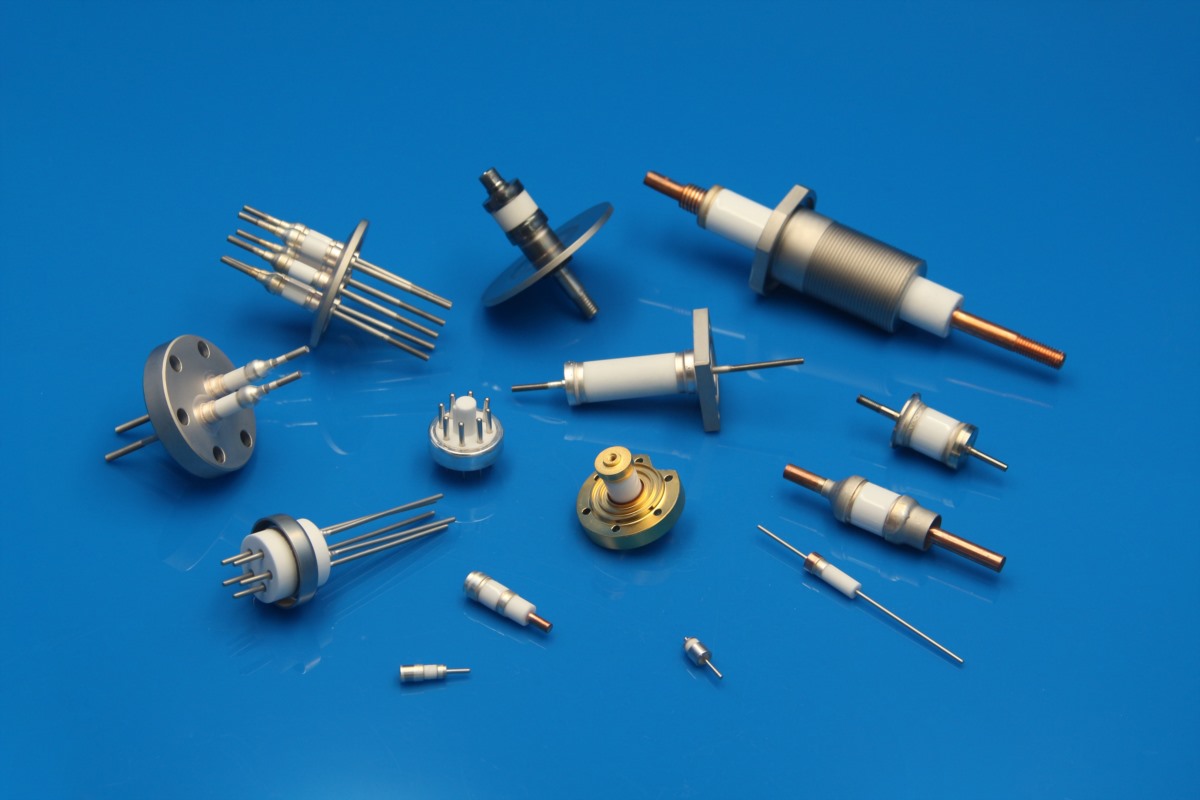
Sealing refers to the physical or chemical connection of two or more materials. Joining technology is one of the key technologies in glass and ceramic manufacturing, which can improve the product̵…

Sealing refers to the physical or chemical connection of two or more materials. Joining technology is one of the key technologies in glass and ceramic manufacturing, which can improve the product̵…
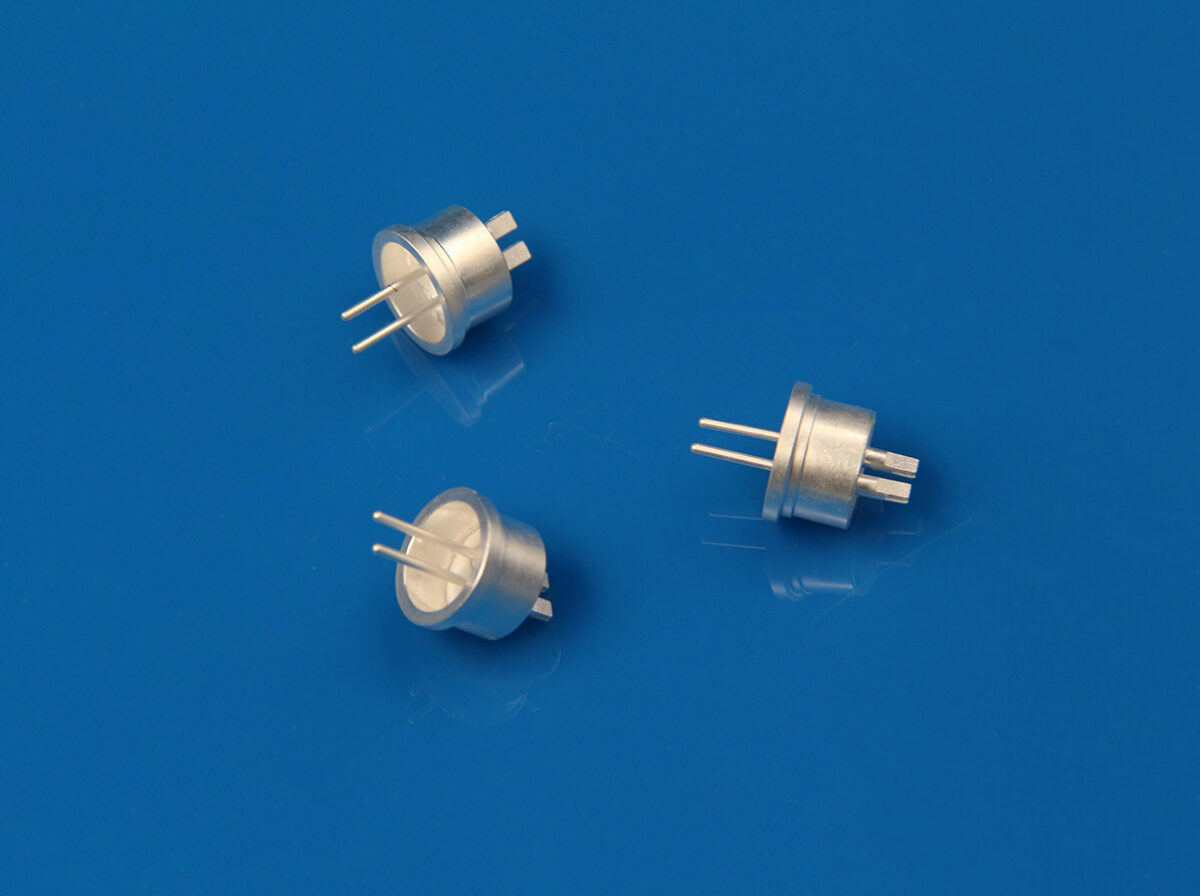
In the realm of advanced electronics, the demand for reliable, high-performance connectors has never been greater. Among the numerous options available, Multiple Connectors stand out for their versati…
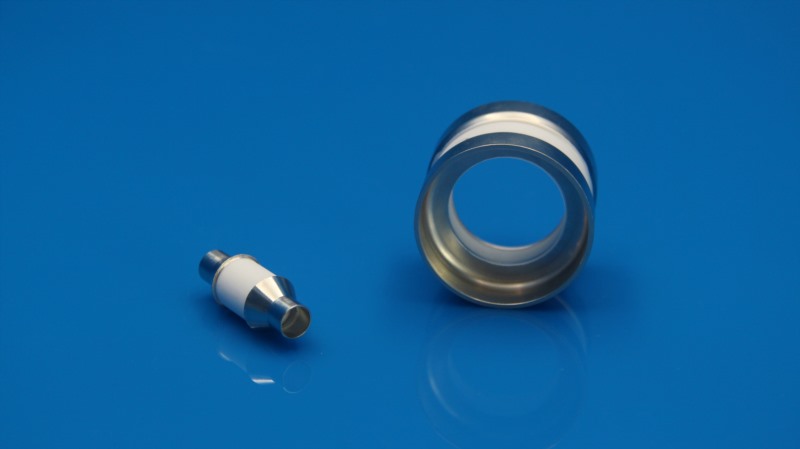
Ceramic materials, with their high melting points and excellent insulating properties, present significant challenges when it comes to joining them with metals. Traditional welding methods often strug…
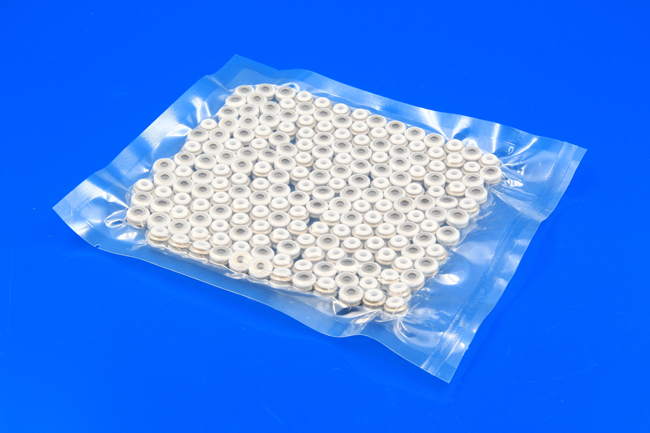
By applying Mo/Mn metallization on high-quality ceramic insulators, and doing the plating process, after applying metallization, Tin coating will be applied on the surface, it provides the more wettab…
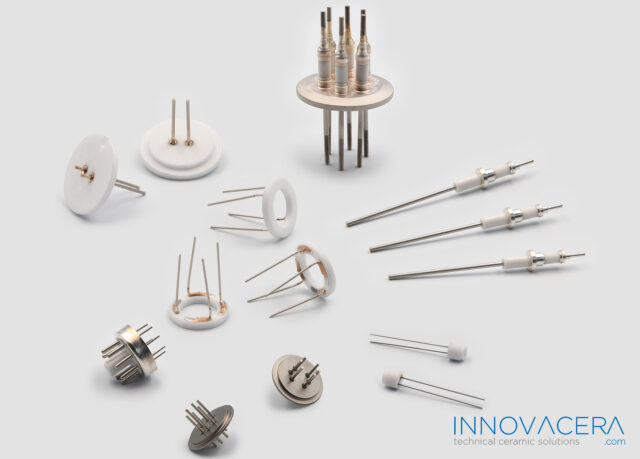
When engineers design seals for electrical connectors like feedthroughs, they typically consider four common materials. At the low end, simple epoxy resins or adhesives suffice. Alternatively, mechani…
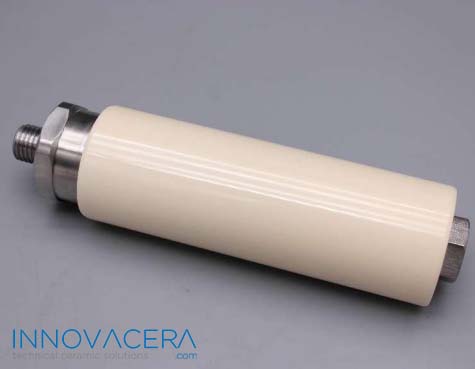
Joining ceramics to other materials, also known as ceramic-metal or ceramic-polymer joining, has been an area of extensive research and innovation. Engineers and scientists have been exploring various…
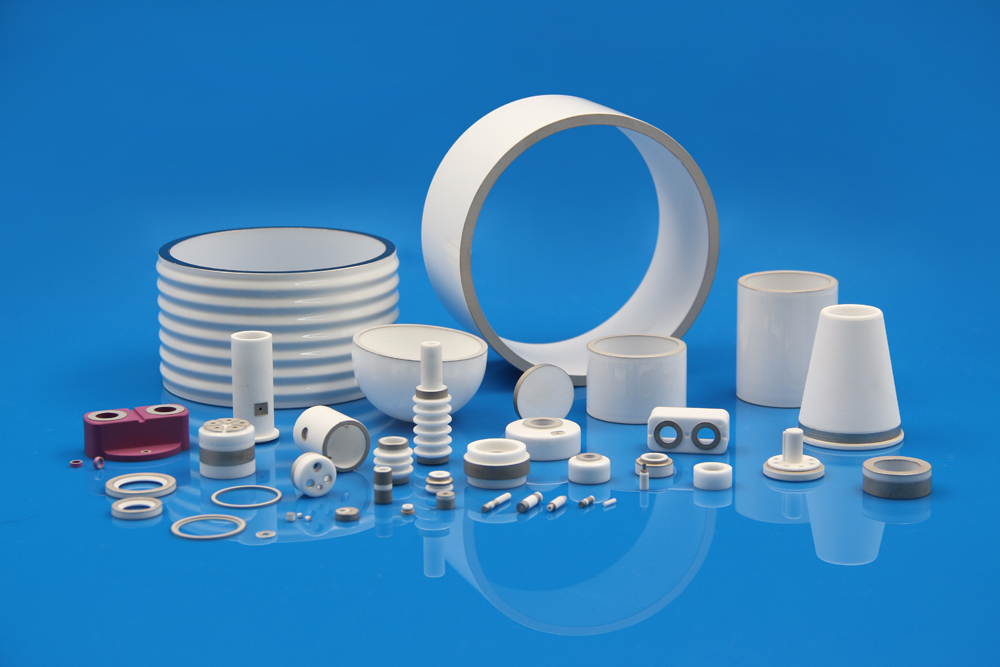
Ceramic-to-Metal brazing components are widely used in electrical engineering due to their good performance for high-vacuum, high-voltage and high-pressure applications. We manufacture a large range o…
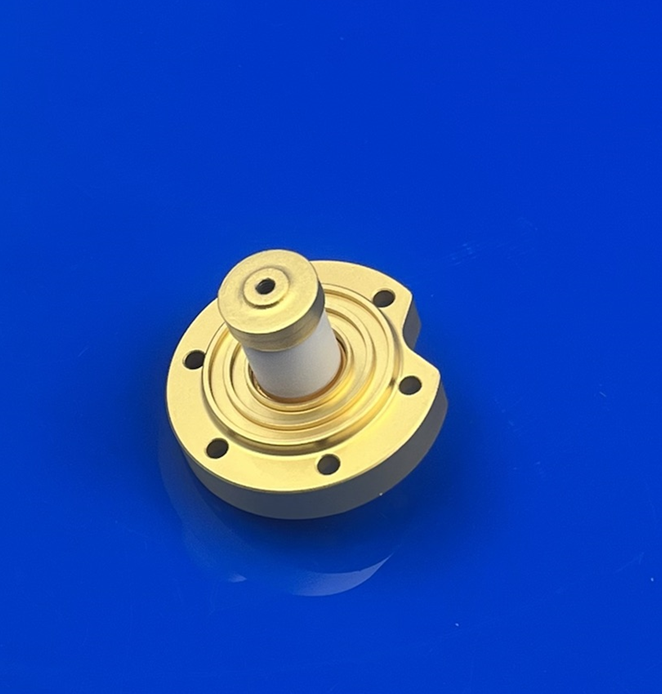
Ceramic feedthroughs are ceramic-to-metal fabrications that are utilized to transmit electrical signals, high currents/gases/fluids, or high voltages from between external sources to a hermetically-se…
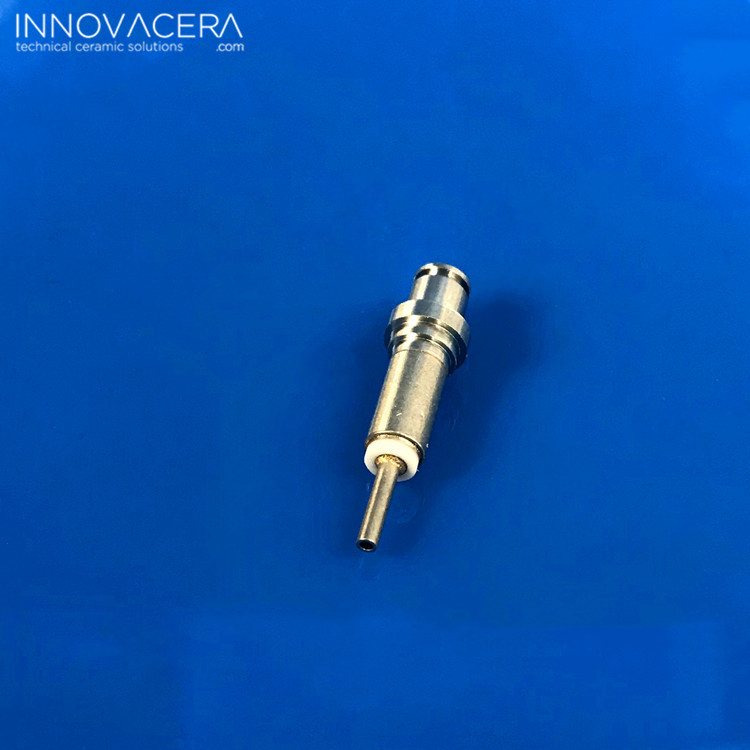
With the development of technology, metal-ceramic composites have become more and more popular in the application of vacuum feedthrough, co2 lasers, and printing of circuit boards, high power microwav…
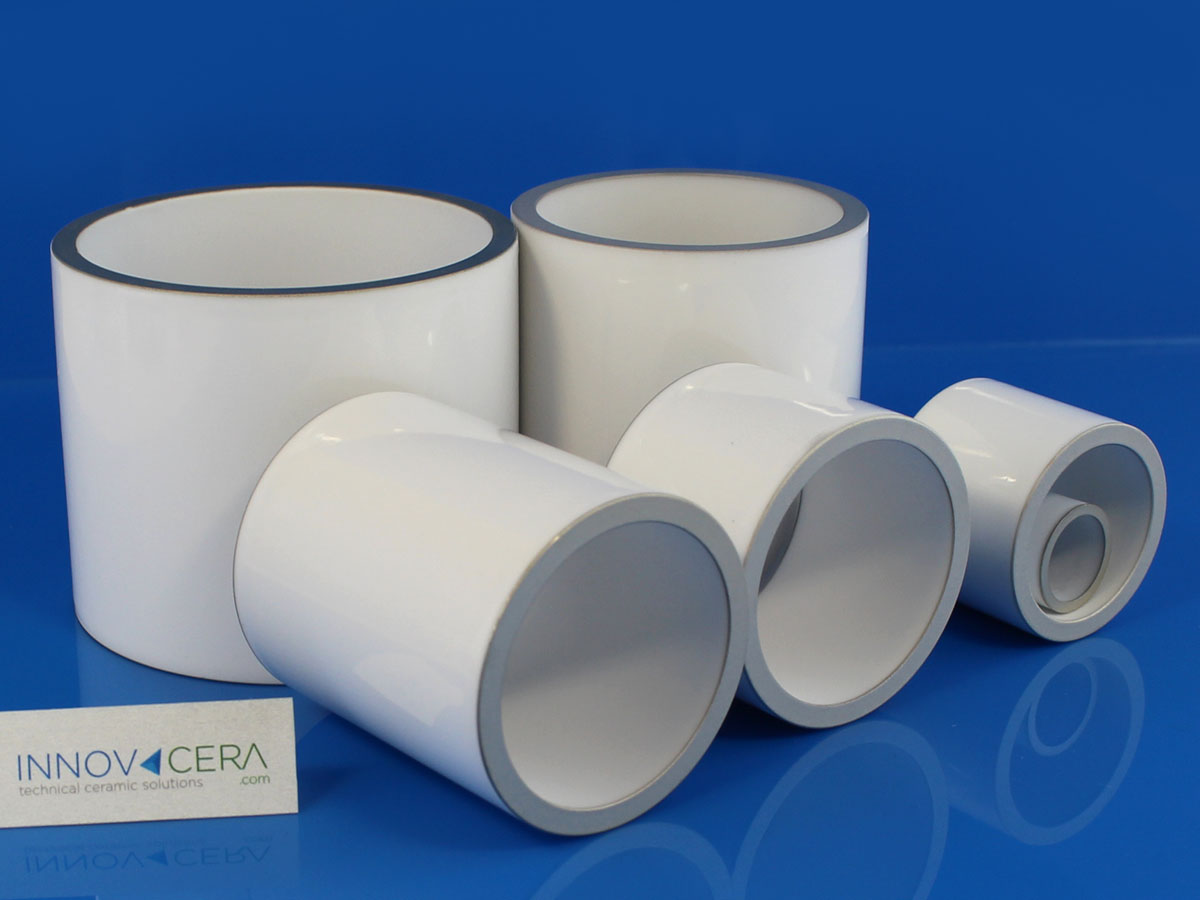
As a typical inorganic non-metallic material, ceramics seem to stand in a completely opposite position to metal.As its advantages are too prominent, people began to think of combining ceramics and met…