
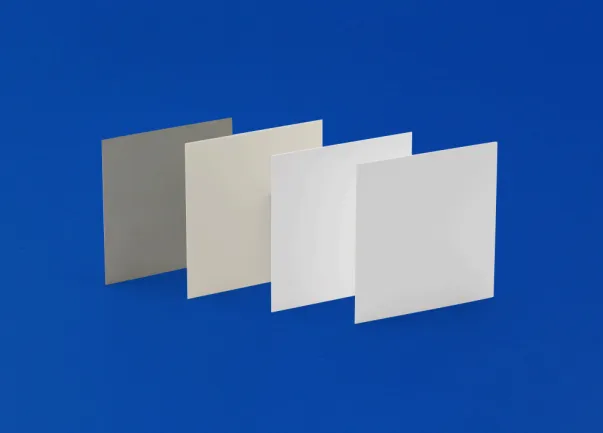
What is a Ceramic Substrate? I have been working with ceramic substrates for many years. In technical terms, a ceramic substrate is a substrate made from ceramic materials — most commonly Aluminum Nit…

What is a Ceramic Substrate? I have been working with ceramic substrates for many years. In technical terms, a ceramic substrate is a substrate made from ceramic materials — most commonly Aluminum Nit…
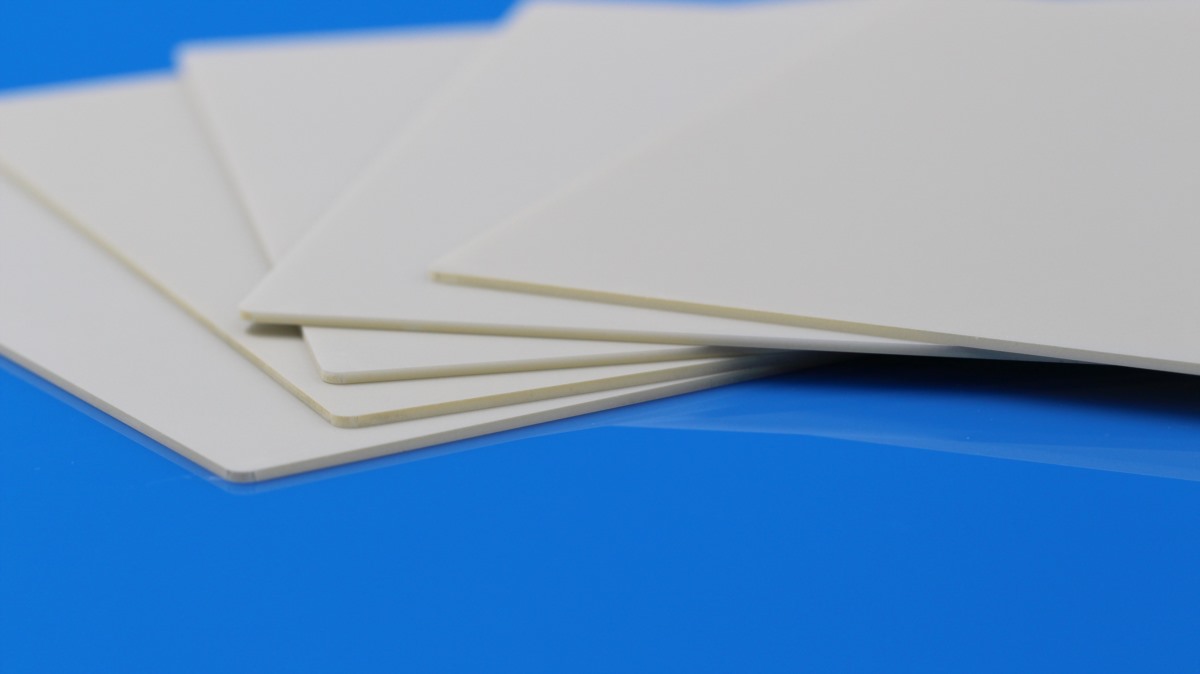
The ceramic substrates is a plate made by ceramic materials. Through a special process, copper layers are bonded to the surface of the ceramic, forming circuit patterns. Sinces its unique thermal, mec…

Aluminium oxide ceramic substrates are extensively employed as base materials within the radio frequency and microwave electronics sector. Their high dielectric constant facilitates circuit miniaturis…
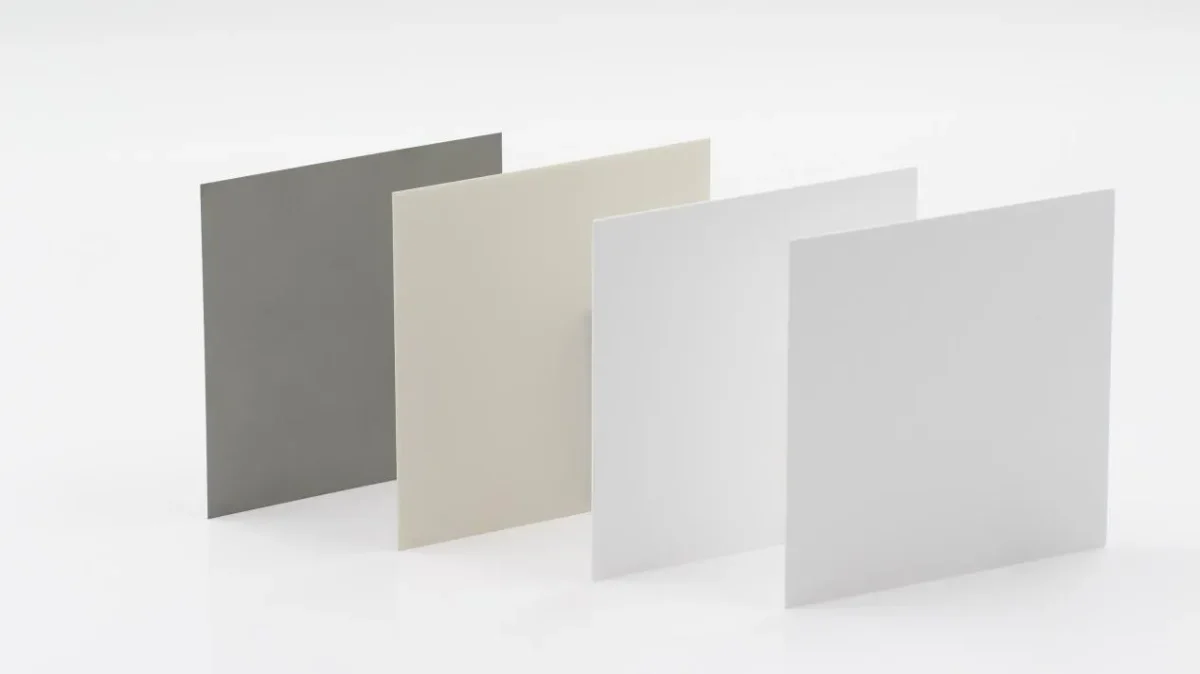
Currently, electronic products are evolving rapidly towards high power, high integration, and high reliability. The limitations of traditional organic substrates in terms of heat dissipation bottlenec…
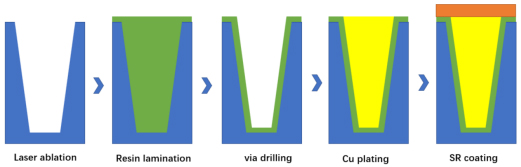
The Through Ceramic Via (TCV) interconnection technology is an innovative approach for high-density three-dimensional packaging. Traditional ceramic substrate metallization schemes often encounter ch…
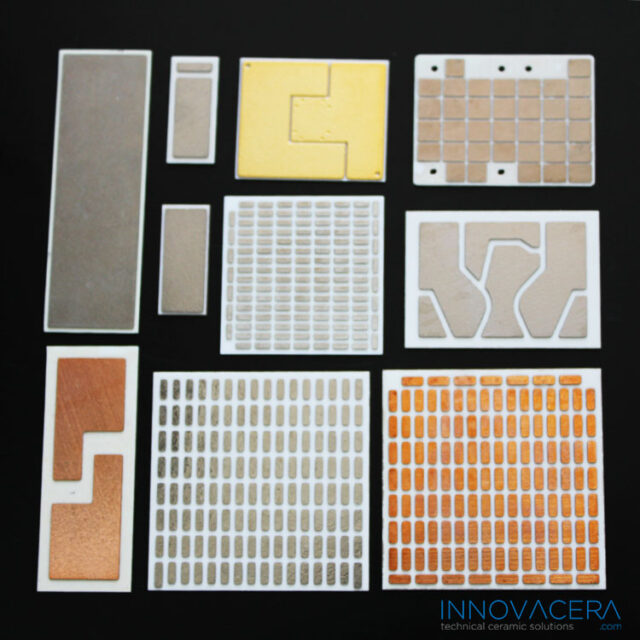
With the continuous development and advancement of electronic devices, high power density and high temperature have become one of the important challenges faced by modern electronic systems. Thermal m…
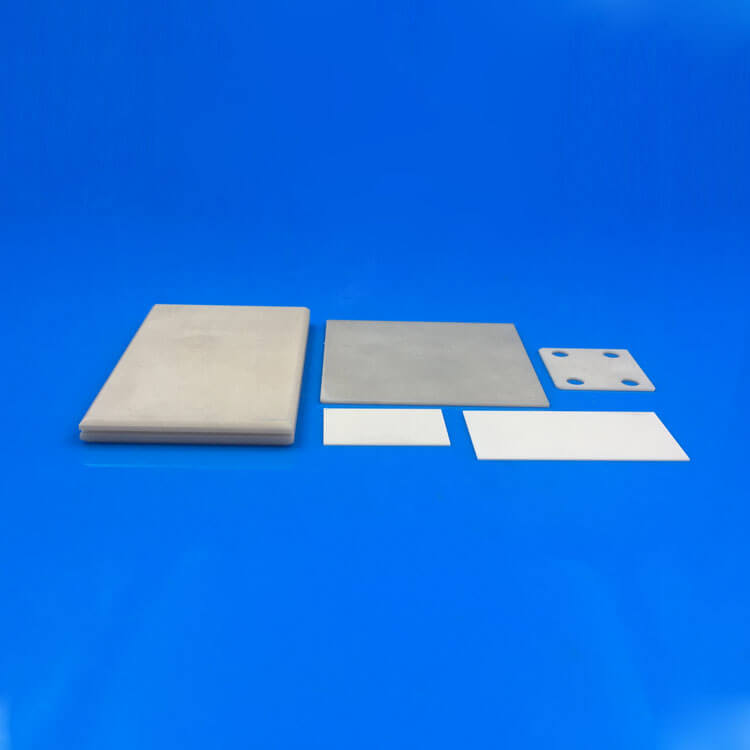
Ceramic substrate refers to copper foil directly bonded to alumina (Al2O3) or aluminum nitride (AlN) ceramic substrate surface (single or double sided) at high temperature on a special process plate. …
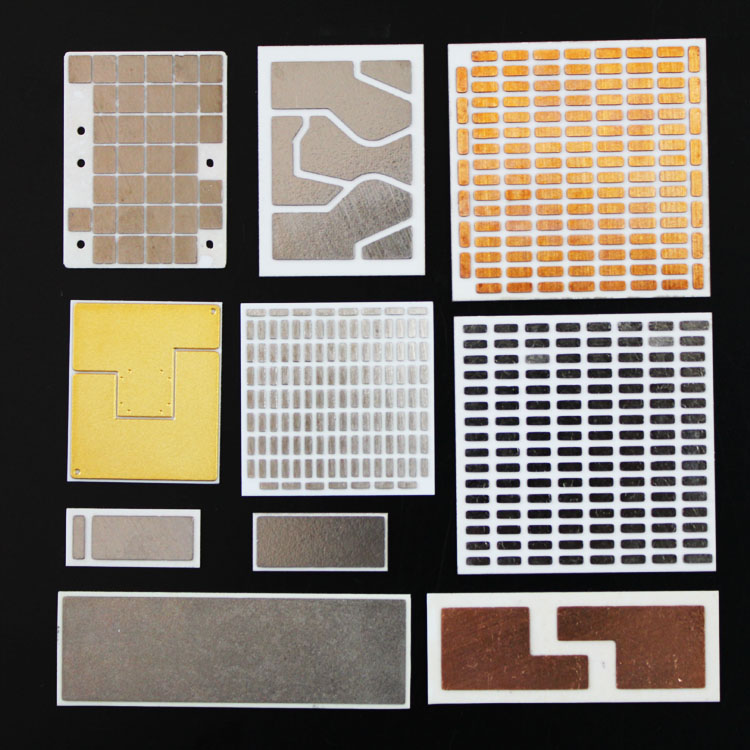
AMB (Active Metal Brazing) is for joining ceramics that are not wetted by ‘conventional’ brazes.Applying active metal like titanium is added to the braze alloy, to achieve a chemically rea…
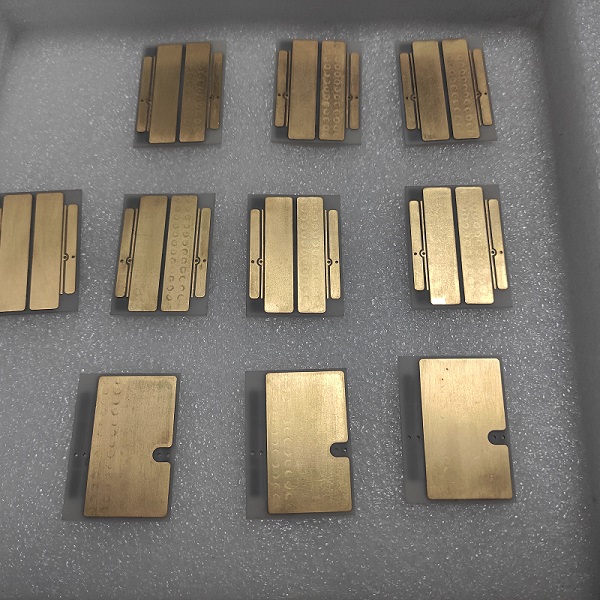
Global Active Metal Brazed (AMB) Ceramic Substrate Market to reach USD 1.52 billion by 2027. The global Active Metal Brazed (AMB) Ceramic Substrate Market is valued at approximately USD 1.07 billion i…
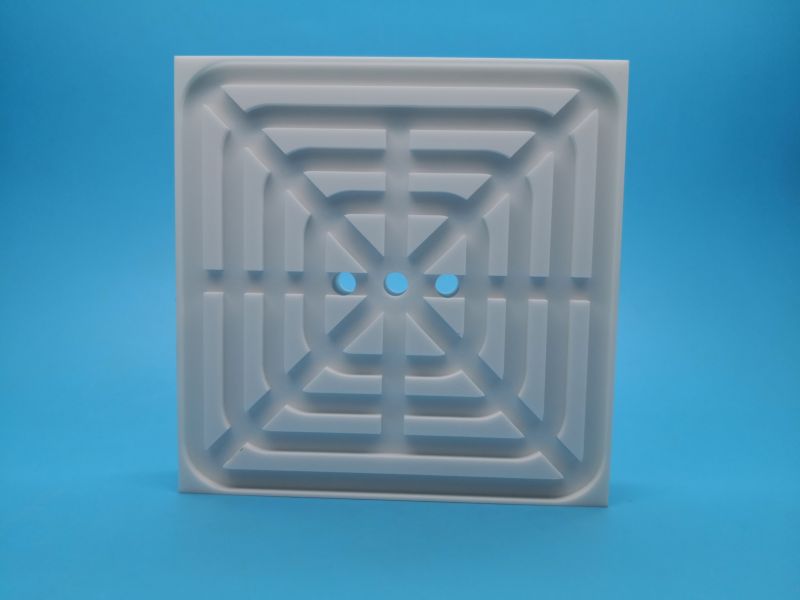
Aluminum Nitride Ceramic (AlN) is a special ceramic material that combines high thermal conductivity with high electrical resistivity. Only a few ceramics possess high thermal conductivity: Such as cu…