
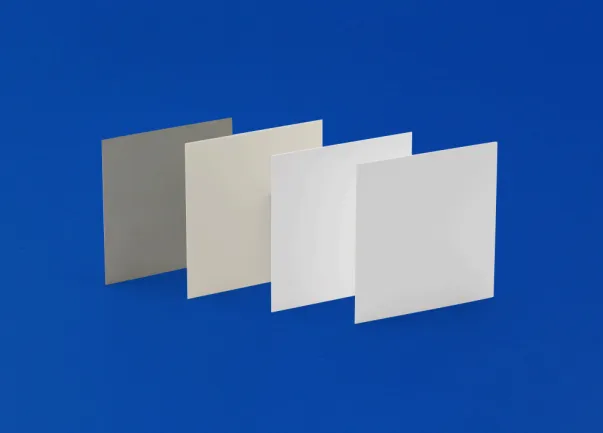
What is a Ceramic Substrate? I have been working with ceramic substrates for many years. In technical terms, a ceramic substrate is a substrate made from ceramic materials — most commonly Aluminum Nit…

What is a Ceramic Substrate? I have been working with ceramic substrates for many years. In technical terms, a ceramic substrate is a substrate made from ceramic materials — most commonly Aluminum Nit…
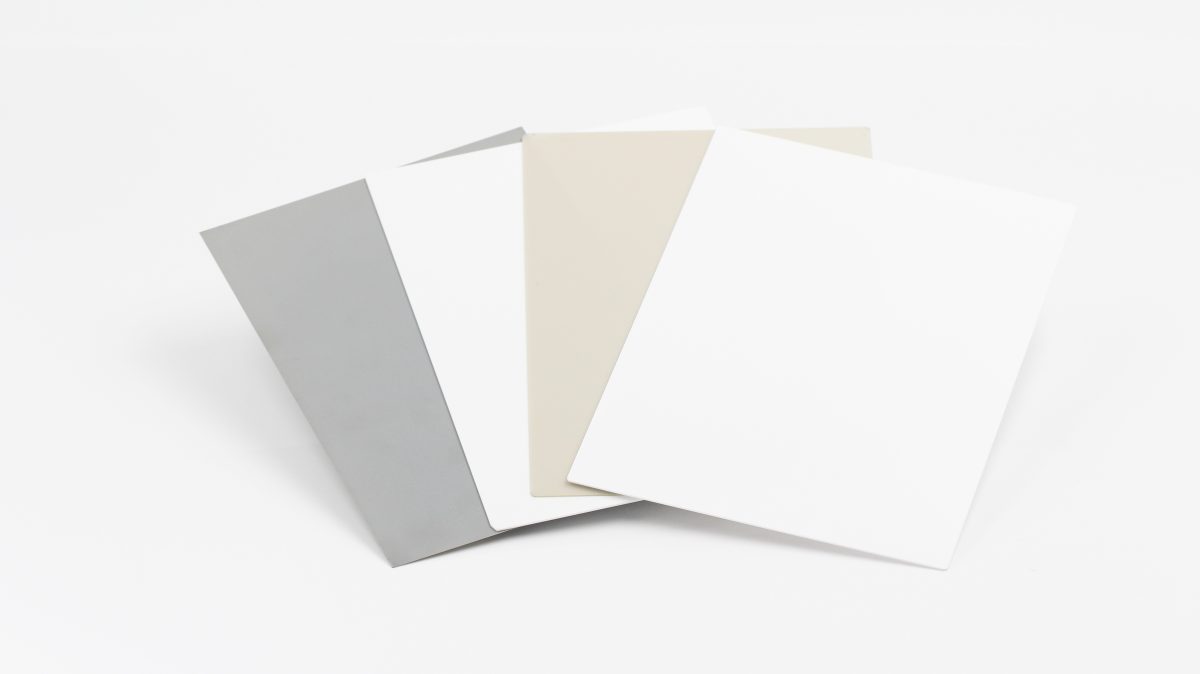
UVC LED technology has become more important in disinfection, air purification, medical sterilization and industrial applications. Emitting 200–280nm ultraviolet light, modern UVC LEDs is better than …
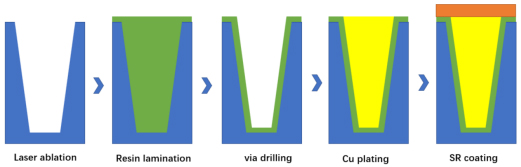
The Through Ceramic Via (TCV) interconnection technology is an innovative approach for high-density three-dimensional packaging. Traditional ceramic substrate metallization schemes often encounter ch…
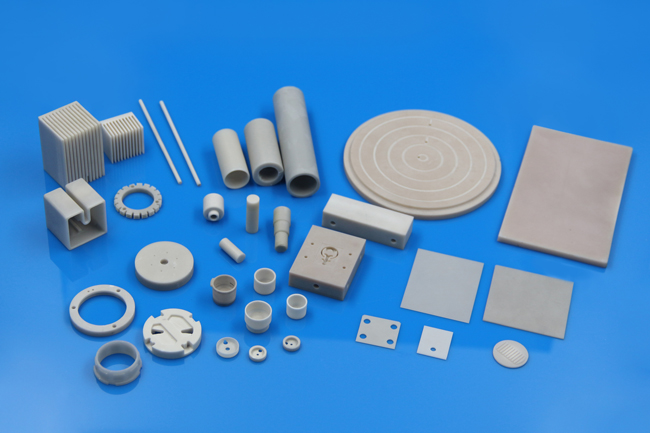
Aluminum nitride ceramics, composed mainly of aluminum nitride, possess remarkable properties such as high thermal conductivity, excellent insulation, and low dielectric constant. The crystal structur…
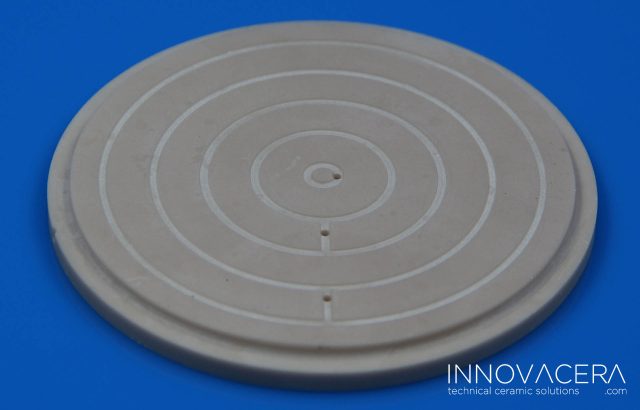
Aluminum nitride ceramics have excellent thermal conductivity, reliable electrical insulation, low dielectric constant and dielectric loss, non-toxic and matched with the coefficient of thermal expans…
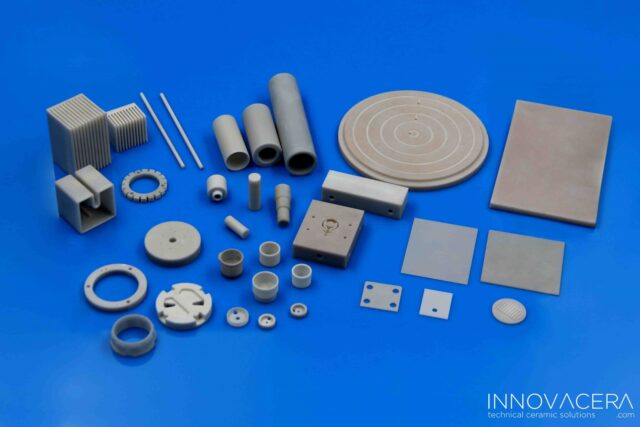
Aluminum nitride (AIN) is known for its high thermal conductivity and excellent electrical insulation properties. It is a common ceramic material used in a variety of electrical devices. In addition t…
Due to its high thermal conductivity (≥170W/m.k), aluminum nitride ceramic crucibles can be used for heat conduction to achieve heating effects, and are widely used in electronic equipment, such as ga…
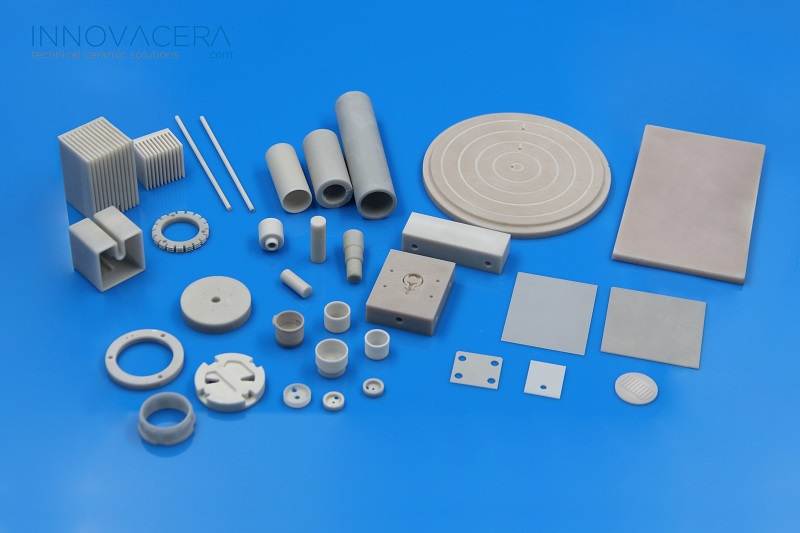
Aluminum Nitride combines high thermal conductivity with strong electrical resistance. They are an excellent solution for many electronic applications— allowing electrical systems to dissipate heat qu…
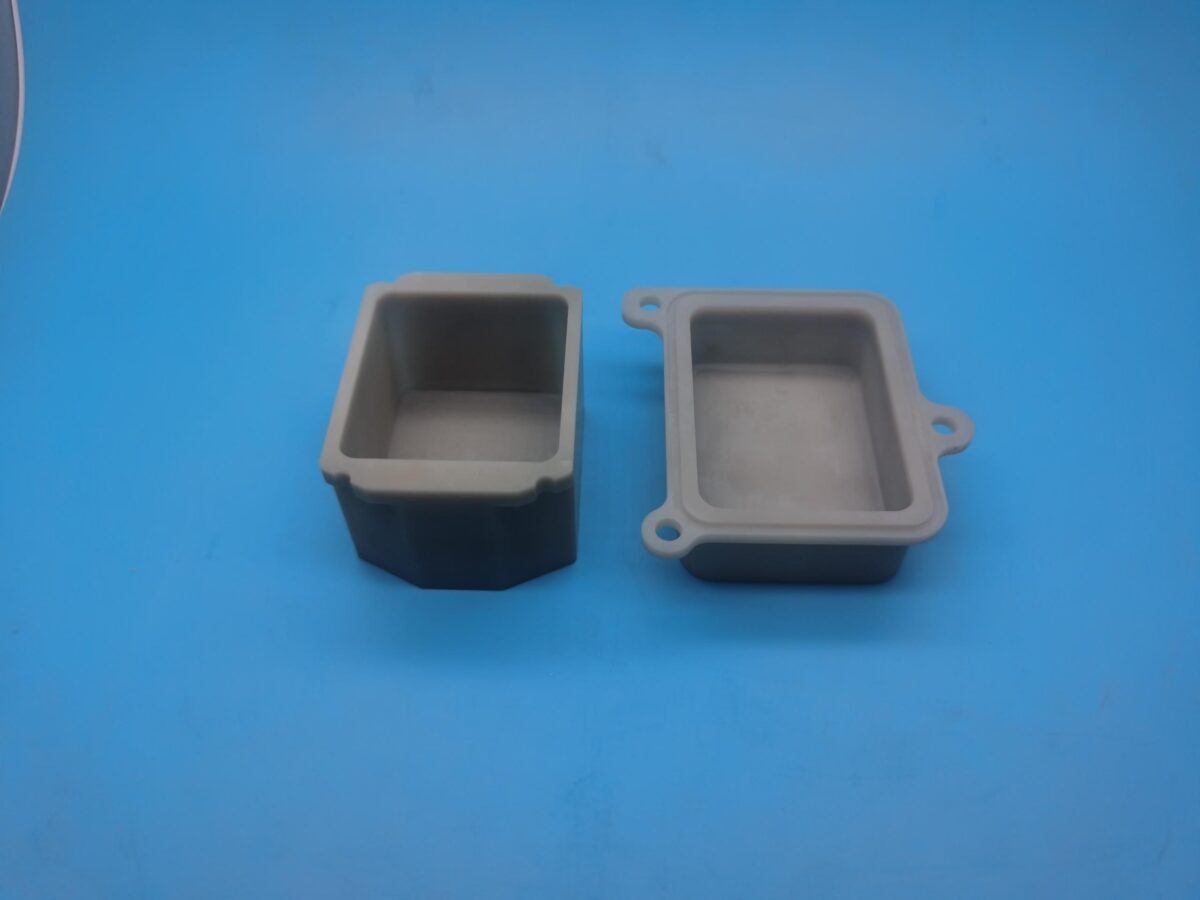
Aluminum nitride materials can be used as high-temperature insulating parts because of their excellent insulating properties and thermal stability.In addition, aluminum nitride and metals such as alum…
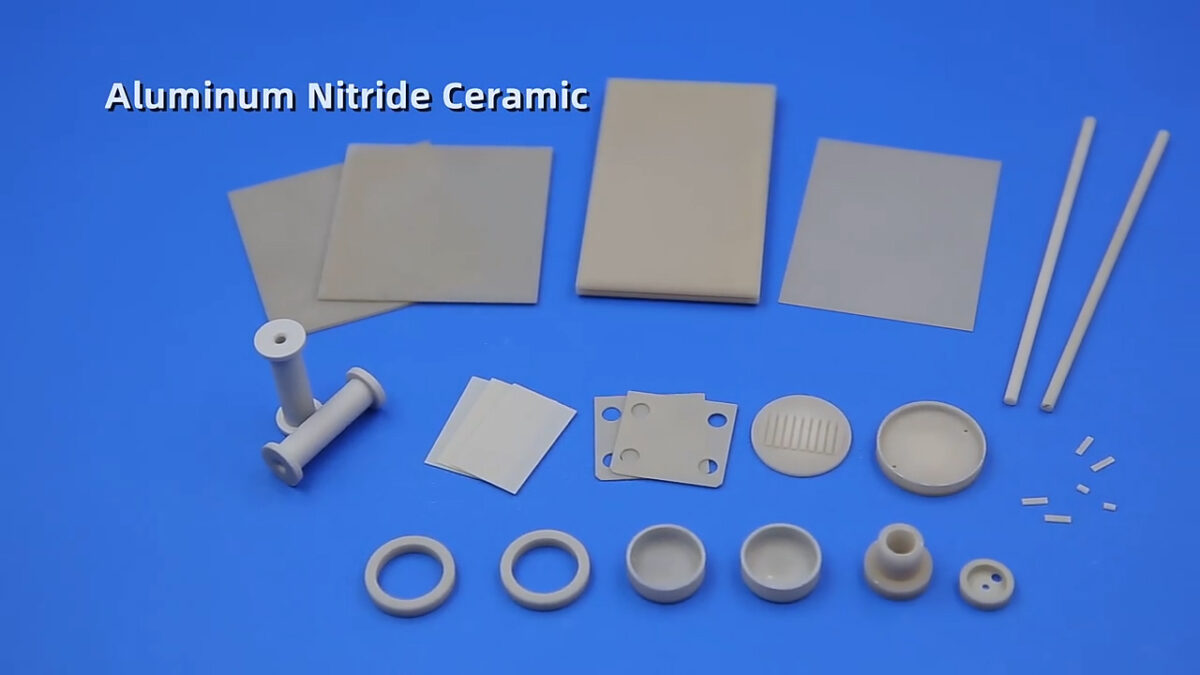
First of all, let’s overview AlN CeramicsAlN is a covalently bonded compound with a stable structure and hexagonal wurtzite structure without the existence of other allotypes. Its crystal structure is…