

Descriptions of Metallization Processing
| Metallization Processing (See Process Description Below) |
Outer Diameter and Inner Diameter Banding |
| Brush | |
| Screen Printing | |
| Spray | |
| Needle | |
| Base Metallization Materials | Moly Manganese |
| Tungsten Manganese | |
| Moly Tungsten Manganese | |
| Materials for Metallization | Aluminum Oxide |
| Beryllium Oxide (Restrictions Apply) | |
| Metallization Characteristics/Benefits | Low Temperature Firing |
| Universally Applicable | |
| Process Speed | |
| Uniform Coating, Thickness and Density | |
| No substrate deformation | |
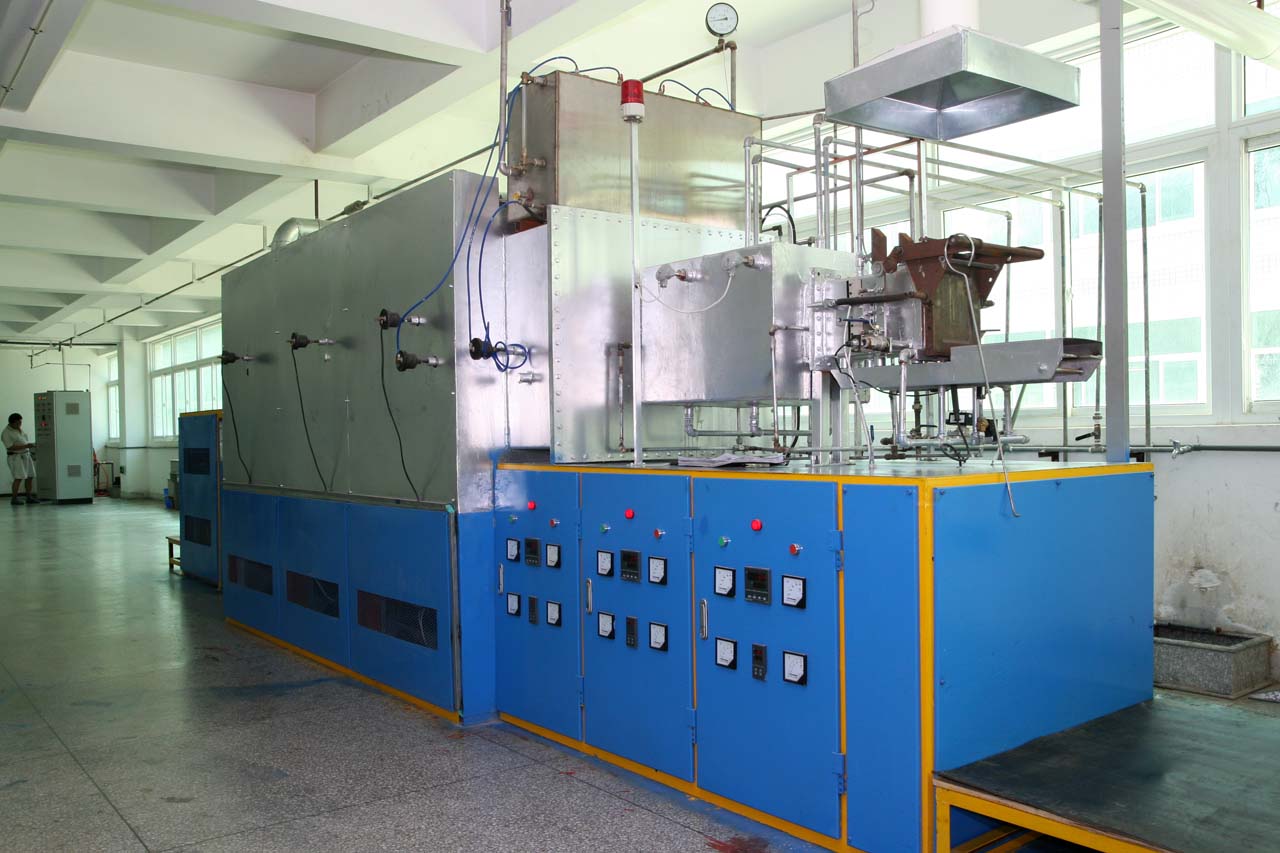
| Metallization Equipment | Domestic Furnaces |
| Industry Focus | |
| Department of Energy | |
| Solar Product Manufacturing | |
| Aerospace | |
| Biomedical | |
| Communications | |
| Computer and Electronics | |
| Vacuum Electronics | |
| Medical | |
| Semiconductor | |
| Optical | |
| Intended Applications for Metallization Products | Traveling Wave Tubes |
| Vacuum Electronic Devices | |
| Medical Devices | |
| Photon Machines | |
| Neutron Generators | |
| X-Ray Tubes | |
| Klystrons | |
| High Vacuum Feed Through | |
| Relay Insulators | |
| E-Beam Technology |
As requested, we provide various kind of metallization as below:
Thick Film Ceramic Substrate
This product is widely used in circuit substrates for optical storage, optical communication, RF application, LED and various other uses.
Thin Film Ceramic Substrate
This product is widely used in circuit substrates for optical storage, optical communication, RF application, LED and various other uses.
High Temperature Co-fired Substrates (HTCC)
This product achieves a variety of products with high reliability, high density, and multifunction. It is used in ceramic heater, optical/power element package, and sensor package.
Direct Bond Copper(DBCu)
This product is mainly used in applications of medium and lower output areas, such as general power electronics,concentrated photovoltaics (CPV), Peltier elements,semiconductor modules for automotive applications.