

Petróleo y Gas
Ceramic seals, sleeves, valve parts and sensor insulators for oil and gas equipment exposed to abrasive fluids, pressure, corrosion and temperature change.
Requisitos de ingeniería detrás de los componentes cerámicos de Petróleo y Gas
Oil and gas equipment often fails at wear, sealing, corrosion and pressure-loaded contact points. Ceramic materials can extend service life when the geometry, surface finish and operating media are reviewed together.
- Abrasive fluid or particle wear
- Corrosion and chemical media exposure
- Sealing surface reliability
- Pressure, temperature and thermal cycling
- Sensor insulation in harsh environments
- Zirconia for tough wear-resistant plungers, sleeves and valve components
- Alumina for corrosion-resistant insulators and structural parts
- Silicon carbide for abrasive fluid handling, seals and harsh service
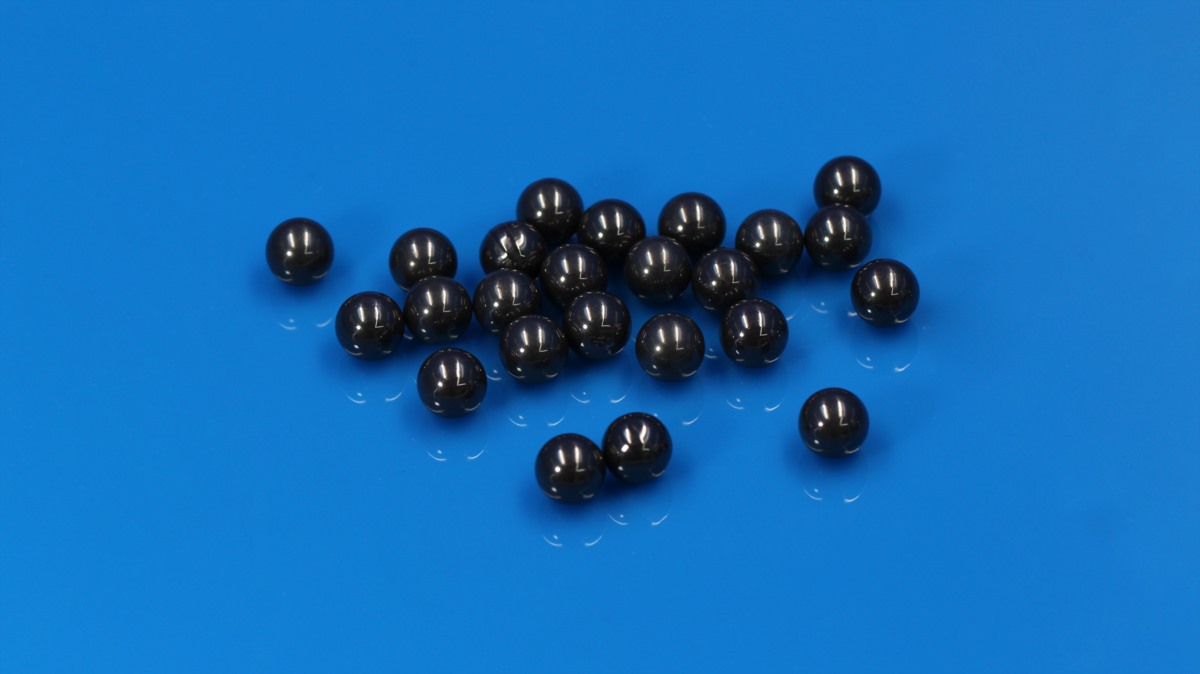
- Silicon nitride for high-strength mechanical components
Áreas de aplicación de los componentes cerámicos en equipos de Petróleo y Gas
Utilice esta sección para relacionar su tipo de equipo con las piezas cerámicas típicas y los requisitos clave que debemos revisar antes de cotizar.
Pumps, valves and fluid control
Sealing and wear protection
Sensors and harsh-service assemblies
Engineering Review Notes for Oil and Gas Ceramic Parts
Oil and gas ceramic components must be selected for the actual service environment. Abrasion, corrosion, pressure, temperature and sealing geometry all affect whether a ceramic part can improve service life.Information to share before material review
- Equipment type, media composition, abrasive particles, pressure, temperature and operating cycle.
- Drawing, sealing surface, sliding contact area, wall thickness and tolerance requirements.
- Current failure mode, such as wear, leakage, corrosion, cracking or loss of insulation.
- Quantity, replacement schedule, inspection method and whether the part is a retrofit or new design.
How we use this information
- Review whether zirconia, alumina, silicon carbide or silicon nitride is the practical material selection.
- Check sealing surfaces, sliding contacts and high-stress geometry for manufacturability and risk.
- Identify whether surface finish, roundness, flatness or edge protection should be specified before quoting.
What Innovacera can support
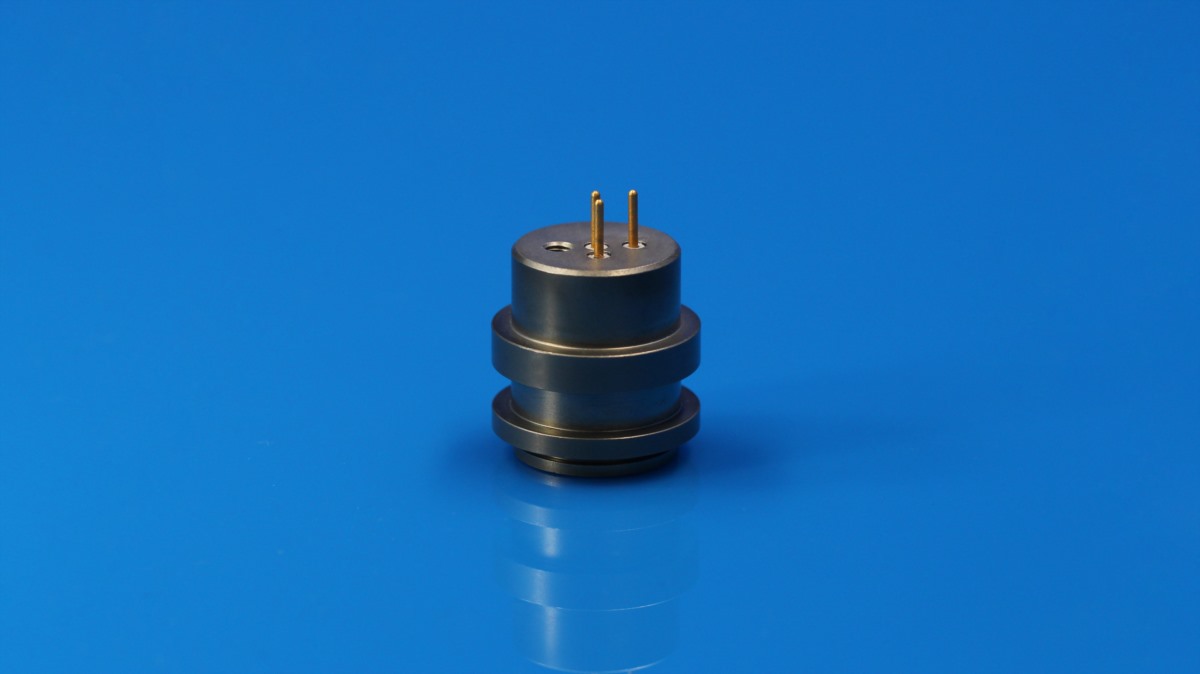
Innovacera supports harsh-service ceramic sleeves, seals, valve parts, insulators and custom components for oil and gas equipment.Productos cerámicos relacionados.
2 producto relacionado en el catálogo actual. Puede usarlos como puntos de partida para la revisión estándar o la discusión de fabricación personalizada.
Comience con las condiciones. Le ayudaremos a revisar el camino cerámico.
Comparte tus condiciones de funcionamiento, requisitos de rendimiento y desafíos de diseño. Ayudaremos a identificar la solución cerámica óptima.